
TL;DR, Casino used cooking oil pickup is a multi-outlet problem, not a single-kitchen one. A typical gaming property fries at high volume across a buffet, a steakhouse, a noodle or wok station, banquet and catering kitchens, employee dining, and a cafe or two, each generating its own waste oil on its own rhythm. The winning approach is the same one country clubs use for their seasonal banquet swings: put every outlet on one account with one set of terms, give each kitchen a free locked anti-theft container, size scheduled pickups to how fast each outlet fries, view it all in one dashboard, and file a CDFA-compliant digital manifest after every pickup so the whole property stays audit-ready. The oil is then recycled into biodiesel and renewable diesel feedstock, a clean sustainability line for ESG reporting. This guide walks through how high-volume venues actually run it.
Casino used cooking oil pickup looks deceptively simple from the outside, a truck shows up, the grease leaves. Inside a real property, it is one of the messier waste streams to manage, because a casino is not one kitchen. It is a dozen kitchens under one roof, each frying on a different schedule, each accumulating oil that has real resale value, and each subject to the same per-pickup paperwork rules in California. Country clubs face a close cousin of the same problem: high-volume banquet and event frying that spikes and dips with the calendar.
The properties that handle it well stop treating cooking oil as a back-of-house afterthought and start treating it as a managed program, one account, standardized containers, a schedule that matches reality, and consolidated records. This is how that program works, and it is the model behind our Restaurant Cooking Oil Management hub.
Why casinos and country clubs are a different kind of cooking oil problem
Most restaurants are a single kitchen with a single fryer bank. A casino or a large country club is a cluster of food operations that happen to share an address, and that changes everything about how the oil should be handled.
A few realities make these properties harder than a standalone restaurant:
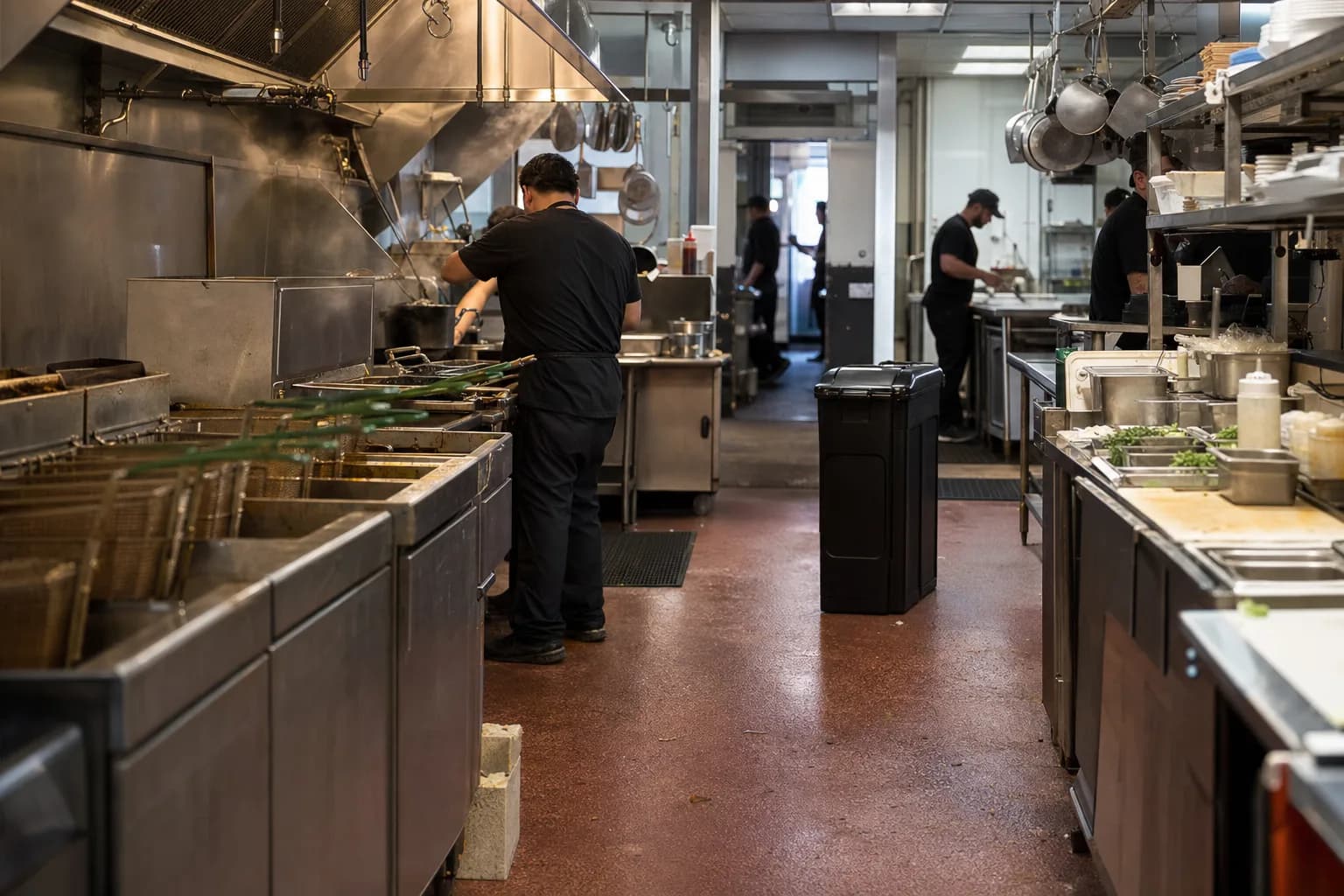
- Many outlets, one property. Casino buffets and banquet kitchens fry at high volume, and a single resort can run a buffet, a steakhouse, an Asian noodle or wok concept, a coffee shop, an employee dining room, and multiple banquet and catering kitchens, each producing its own waste oil. Country clubs layer a member grill and a large event kitchen on top of seasonal banquet demand.
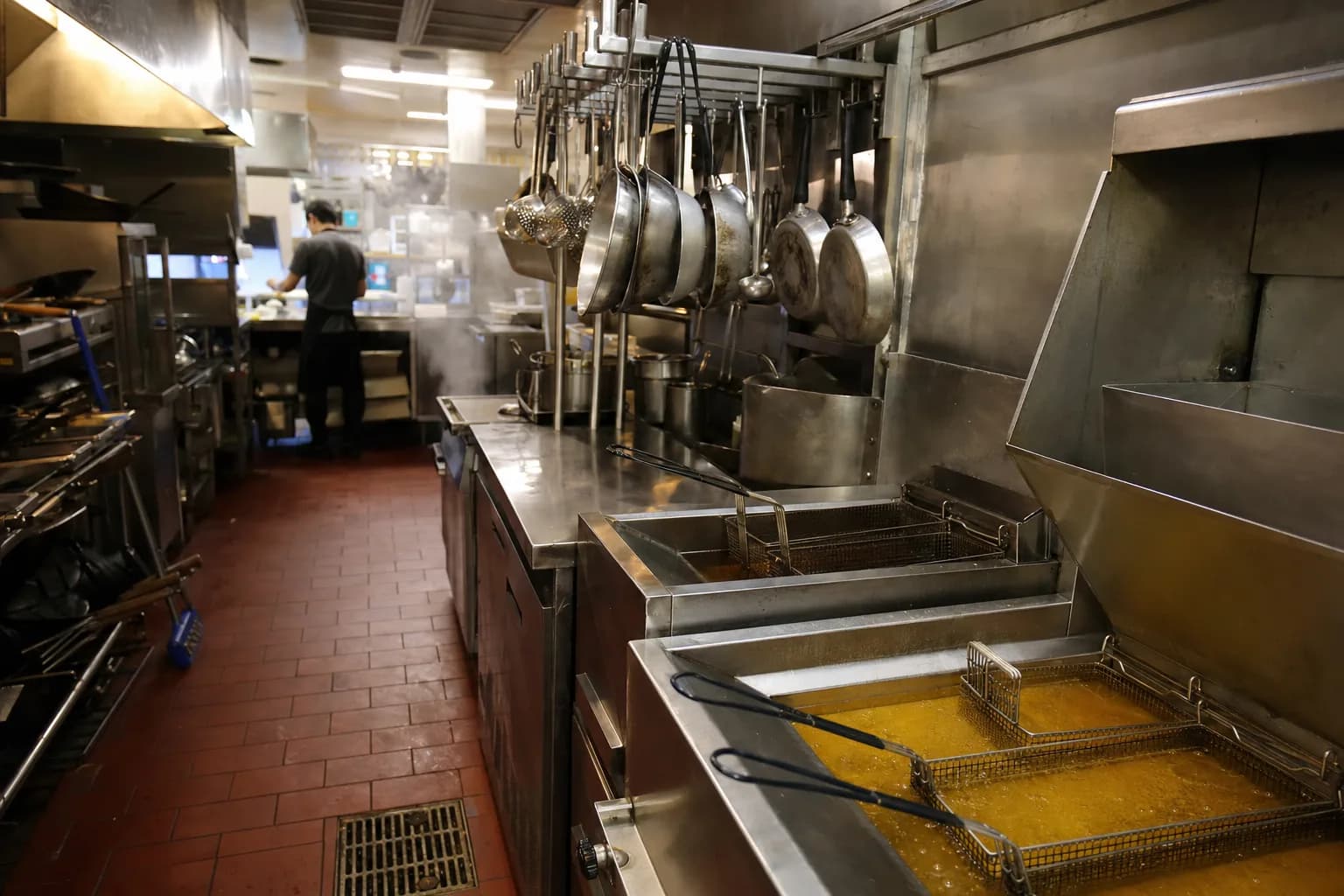
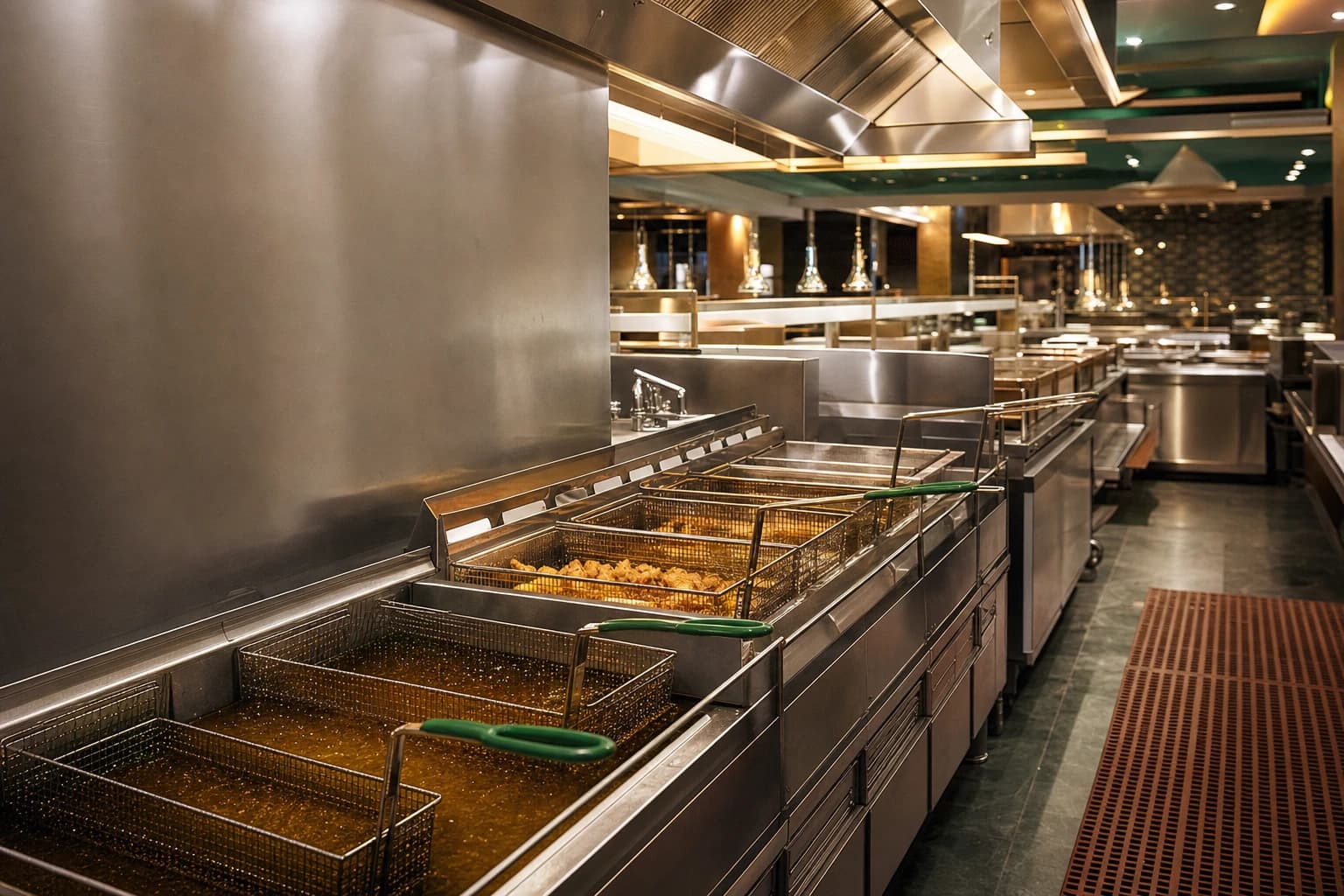
- The volume is real and uneven. A buffet line that runs all day fills a container far faster than a fine-dining steakhouse. A banquet kitchen sits quiet midweek, then fries hard for a 400-cover wedding on Saturday. A fixed, one-size-fits-all schedule either overflows during peaks or wastes trips during lulls.
- The oil has value, which invites theft. Used cooking oil, yellow grease, is a traded commodity, priced by the pound in the USDA's published market reports, and grease theft is a documented problem in the rendering industry. A property with multiple loading docks, 24-hour access, and overnight foot traffic is an unusually exposed target.
- Compliance is per-pickup, not per-property. In California, a manifest is required for every used cooking oil pickup at every outlet. Miss the paper trail at the banquet kitchen and that kitchen has a gap, no matter how clean the buffet's records are.
- Nobody clearly owns it. Cooking oil rarely belongs to one role on an org chart this large. It falls between facilities, food and beverage, individual outlet chefs, and the loading dock, so it drifts.
The fix for all of these is the same: standardize the program across every outlet, then centralize the records.
The playbook high-volume properties actually use
Here is the operating model that works when one address contains many kitchens. Each step is built so that adding the next outlet, or a new seasonal banquet kitchen, is as easy as the first one.
1. Consolidate every outlet onto one account
Instead of each chef or outlet manager arranging their own grease pickup, the property runs one account that covers the buffet, the steakhouse, the wok station, the banquet kitchens, employee dining, and the cafes. One set of terms. One point of contact. New or seasonal outlets get added under the same agreement rather than starting from scratch. This is exactly the one-contract approach detailed in Multi-Location Cooking Oil Collection.
2. Standardize on a locked anti-theft container at each kitchen
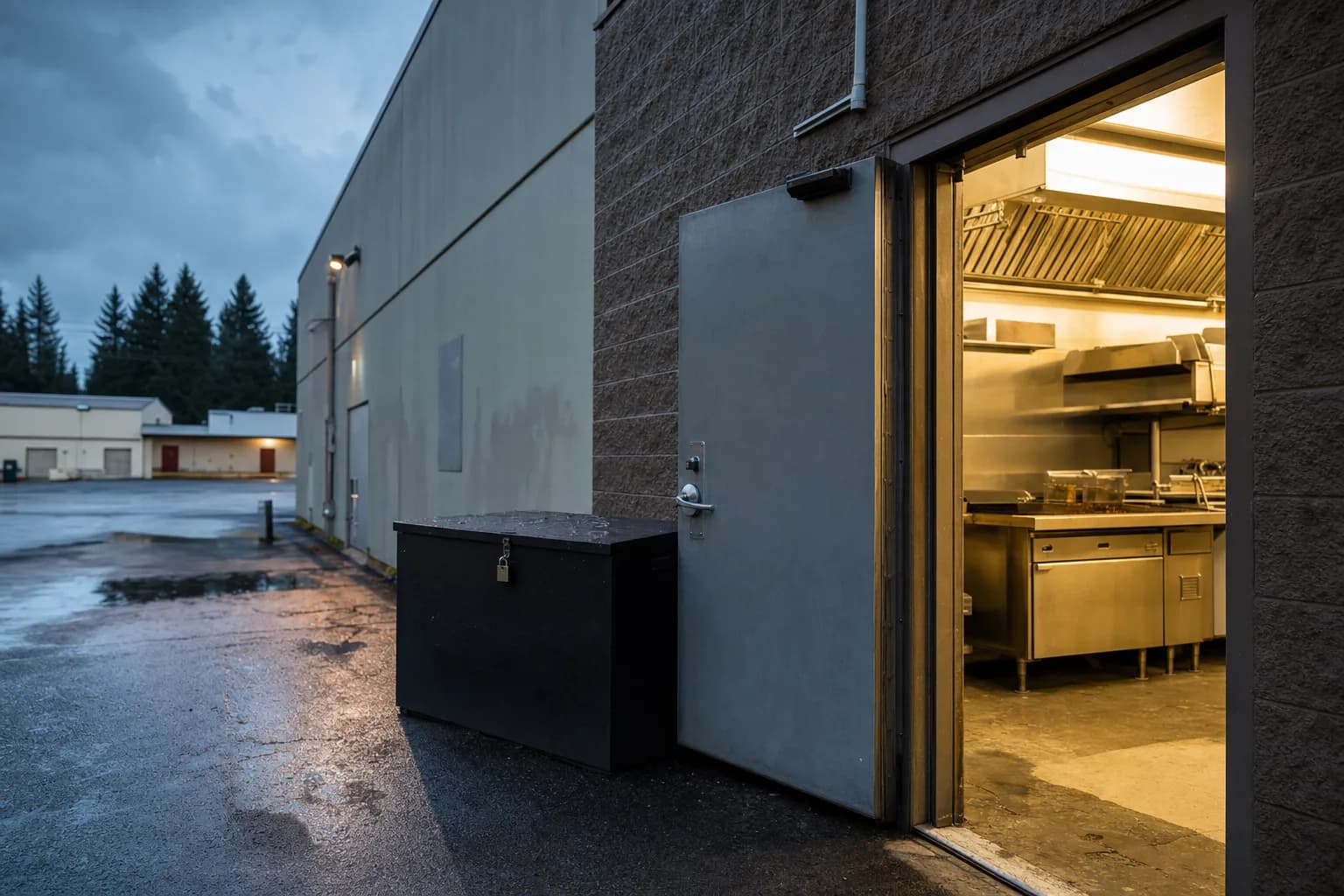
Every outlet gets the same free locked container, sized to its frying volume. Standardizing the equipment does two things: it protects the resale value of the oil from theft on a high-access property, and it keeps the chain-of-custody record consistent across kitchens. A locked container at the buffet dock and a locked container at the banquet kitchen are documented the same way, no special cases.
3. Size the schedule to each outlet, and to the calendar
This is where casinos and country clubs differ most from a single restaurant. The buffet may need frequent pickups; the steakhouse far fewer. The banquet kitchen needs a cadence that flexes with the event calendar, heavier during wedding season, tournaments, conventions, and the holidays, lighter in the off-season. Because service is month-to-month with no long contract, the schedule can be tuned per outlet and adjusted as the property's volume shifts, instead of being locked to a fixed rhythm that ignores reality.
4. Put every outlet on one dashboard
A property this size cannot manage cooking oil from a stack of paper receipts at each loading dock. The Filtrate portal gives the property one dashboard across every outlet, with per-location mobile apps and role-based visibility, so corporate or the F&B director sees the whole property, while each outlet sees its own kitchen. Volumes, pickup history, and records for every outlet live in one place.
5. File a CDFA-compliant digital manifest after every pickup
After each pickup at each outlet, a CDFA-compliant digital manifest is generated and stored automatically. California requires a manifest for every used cooking oil pickup, electronic manifests are legal under the state's Uniform Electronic Transactions Act, and records must be retained for at least two years. For a property running many outlets, a per-outlet digital manifest means the entire site is audit-ready without anyone collecting paper kitchen by kitchen.
6. Close the loop on chain of custody
Each manifest documents that your oil moved from your kitchen to a CDFA-licensed renderer. California's Inedible Kitchen Grease (IKG) program registers the transporters and licenses the renderers and documents that trail specifically to deter theft and illegal dumping. For a casino or country club, consistent chain-of-custody records across every outlet are what make a clean property-wide audit, and a credible sustainability claim, possible.
How the outlets compare on a single property
Different kitchens on the same property generate oil very differently. Sizing the container and schedule per outlet, rather than treating them all the same, is the whole game.
| Outlet type | Frying volume | Typical pickup pattern | Why it matters |
|---|---|---|---|
| Buffet line | High, all-day | More frequent, steady cadence | Fills containers fast; the property's largest single source |
| Banquet / catering kitchen | Spiky, event-driven | Flexible, tied to the event calendar | Quiet midweek, heavy on event weekends; a fixed schedule misfits both |
| Steakhouse / fine dining | Lower | Less frequent | Smaller container, longer intervals |
| Asian / wok / noodle concept | Moderate to high | Steady | Frequent oil changes for clarity and flavor |
| Cafe / coffee shop / snack bar | Low | Infrequent | Often consolidated with a nearby outlet |
| Employee dining room | Moderate | Steady | Easy to forget on an account; should still be documented |
The point is not the exact numbers, those vary by property. The point is that one schedule for the whole site is the wrong answer. A program that sizes each outlet independently keeps containers from overflowing during a banquet weekend and keeps trucks from rolling half-empty in the off-season.
What a casino or country club gets out of doing it right
When the program is consolidated and standardized, the benefits compound across the property:
- One relationship instead of a dozen. A real person answers, one account covers every outlet, and there is no per-kitchen contract to track down.
- Theft protection on a high-access site. A free locked anti-theft container at every dock protects oil that genuinely has resale value.
- Audit-ready records, property-wide. A digital manifest after every pickup at every outlet means a health inspector or auditor gets proof in seconds, not a paper hunt.
- A schedule that fits the calendar. Month-to-month service flexes with banquet season instead of fighting it.
- A real sustainability line. The oil becomes biodiesel and renewable diesel feedstock. Waste-feedstock biodiesel and renewable diesel cut lifecycle greenhouse gas emissions by roughly 79 to 86 percent versus petroleum diesel, renewable diesel averages about a 65 percent carbon-intensity reduction, and under the EPA Renewable Fuel Standard biomass-based diesel must hit at least a 50 percent lifecycle GHG reduction, used cooking oil qualifies. For a resort or club with an ESG or sustainability report, that is a documented, defensible claim.
For the venue-specific details, see our casinos and country clubs page, and for the reporting and manifest side, see Cooking Oil Compliance & Reporting.
Getting started without disrupting operations
The transition does not require shutting down a single kitchen. The usual sequence on a multi-outlet property:
- Walk the property. Identify every outlet that fries, including the easy-to-forget ones like employee dining and seasonal banquet kitchens.
- Place the right container at each. Each outlet gets a free locked anti-theft container sized to its volume.
- Set per-outlet schedules. Frequent for the buffet, flexible for banquets, lighter for fine dining.
- Bring it onto one dashboard. Every outlet's volumes and records consolidate in the Filtrate portal.
- Let the manifests accumulate. After each pickup, the CDFA-compliant digital manifest files itself, so by your next audit, the paper trail is already complete.
A note on coverage: Oil Guyz serves Orange County, Los Angeles, San Diego, the Inland Empire, the Bay Area, and the Tacoma/Pacific Northwest region, and is expanding. We are regional, not nationwide. If your property sits inside that footprint, every outlet can be covered today on one dashboard with pickup and digital manifests included. If your property is outside it, tell us where your locations are and we will notify you as we expand.
The bottom line
A casino or country club is not one cooking oil account, it is many kitchens that should be run as one program. Consolidate every outlet onto a single account, standardize on locked anti-theft containers, size the schedule per outlet and to the event calendar, watch it all on one dashboard, and let a CDFA-compliant digital manifest file after every pickup. That turns a sprawling, easy-to-ignore waste stream into a clean, audit-ready, sustainability-positive system, and the oil ends up as renewable fuel feedstock instead of a liability out back.
Sources
- California manifest requirement and electronic manifest legality (3 CCR §1180.24): https://www.law.cornell.edu/regulations/california/3-CCR-1180.24
- CDFA Inedible Kitchen Grease (IKG) program, transporter registration/renderer licensing and chain of custody: https://www.cdfa.ca.gov/AHFSS/MPES/
- USDA Agricultural Marketing Service, yellow grease commodity market prices: https://www.ams.usda.gov/market-news/livestock-poultry-grain
- Renewable diesel carbon-intensity reduction (DOE AFDC): https://afdc.energy.gov/fuels/renewable-diesel
- Waste-feedstock biodiesel/renewable diesel lifecycle GHG reduction (DOE AFDC): https://afdc.energy.gov/fuels/biodiesel-production
- EPA Renewable Fuel Standard, biomass-based diesel lifecycle GHG threshold: https://www.epa.gov/renewable-fuel-standard/overview-renewable-fuel-standard-program