
Seattle and King County restaurants can get used cooking oil hauled away for free by a licensed collector, who picks it up on a schedule, leaves you a locked anti theft bin, and recycles the oil into clean renewable fuel. The catch is doing it the compliant way. Seattle Public Utilities prohibits pouring fats, oils, and grease down any drain, and your records need to hold up if Public Health Seattle and King County ever asks. This guide walks through how free pickup works, the Washington rules that actually apply, where your oil ends up, and how to choose a collector you can trust.
Why used cooking oil pickup matters for Seattle kitchens
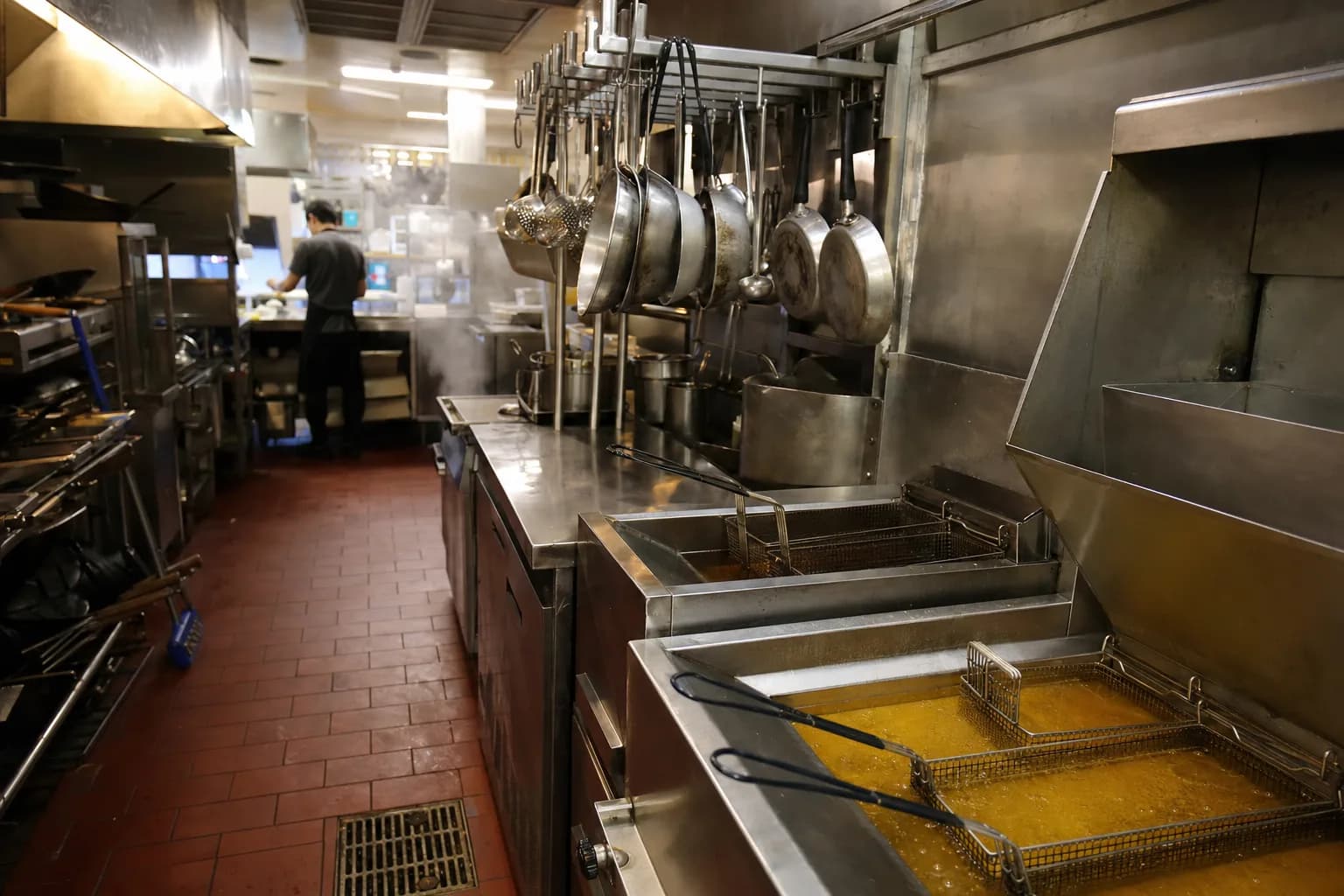
Every commercial fryer in Seattle produces a waste stream that you cannot legally pour down the drain. Used cooking oil congeals as it cools, coats the inside of pipes, and combines with other waste to form the blockages that cause sewer backups. The city is direct about this. Seattle Public Utilities lists fats, oils, and grease as a prohibited discharge, and that includes the oil used for deep frying.
Handled wrong, fryer oil is a liability. It clogs your lines, fouls your grease interceptor, and can leave you on the hook for a city cleanup bill. Handled right, it is a non issue and a small piece of your sustainability story. The oil leaves on a schedule, a licensed collector documents where it went, and it gets recycled into renewable fuel instead of poured into the Puget Sound watershed.
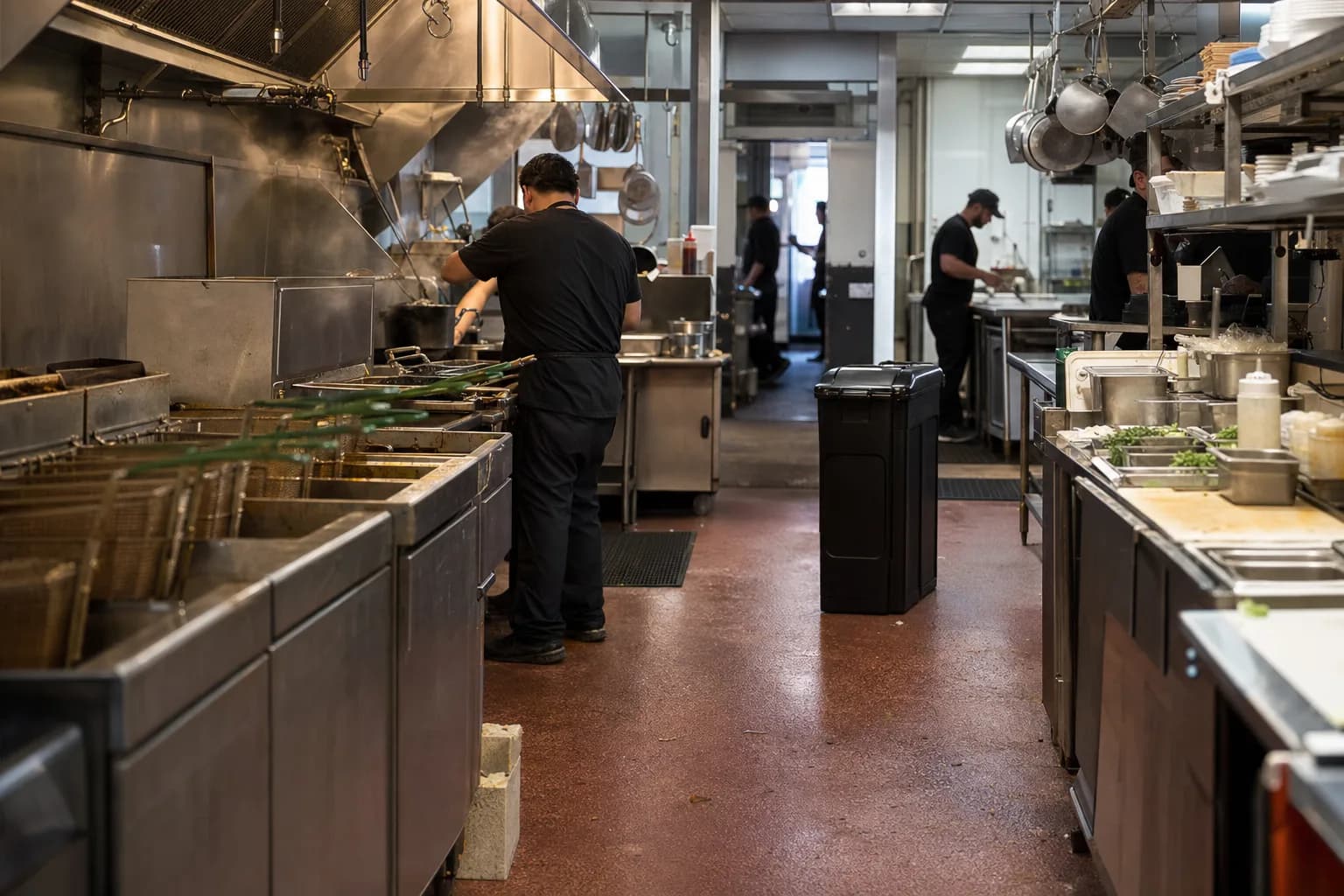
For most Seattle and King County restaurants, the smart move is simple. Keep fryer oil completely separate from your dishwashing wastewater, store it in a dedicated locked bin, and have a licensed collector pick it up for free.
How free used cooking oil pickup actually works
Used cooking oil has value. It is a sought after feedstock for renewable diesel and biodiesel, especially under Washington's low carbon fuel rules. That value is why a legitimate collector can pick up your oil for free instead of charging you. They earn their money downstream by recycling the oil, not by billing your kitchen.
Here is what a clean, no nonsense pickup arrangement looks like:
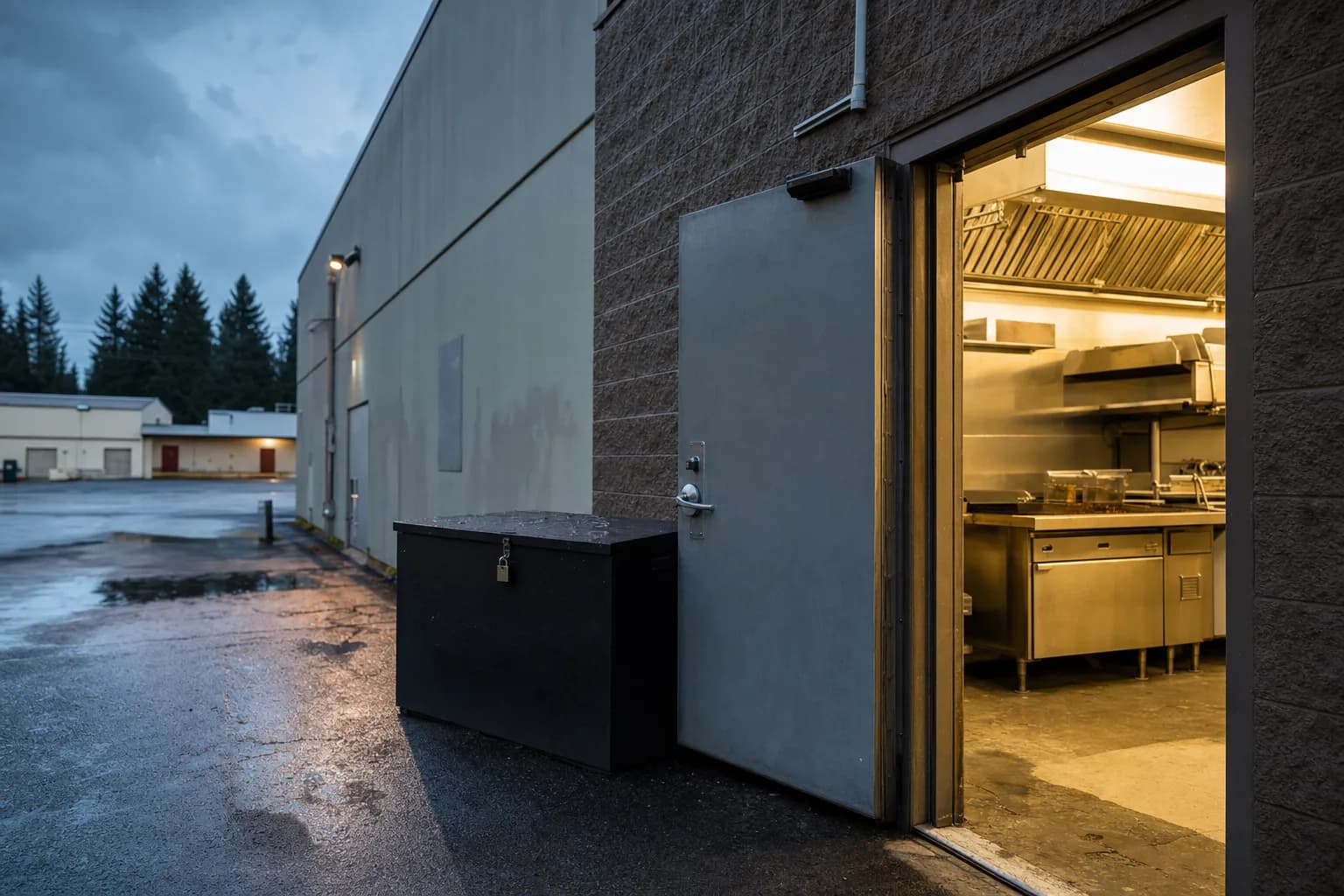
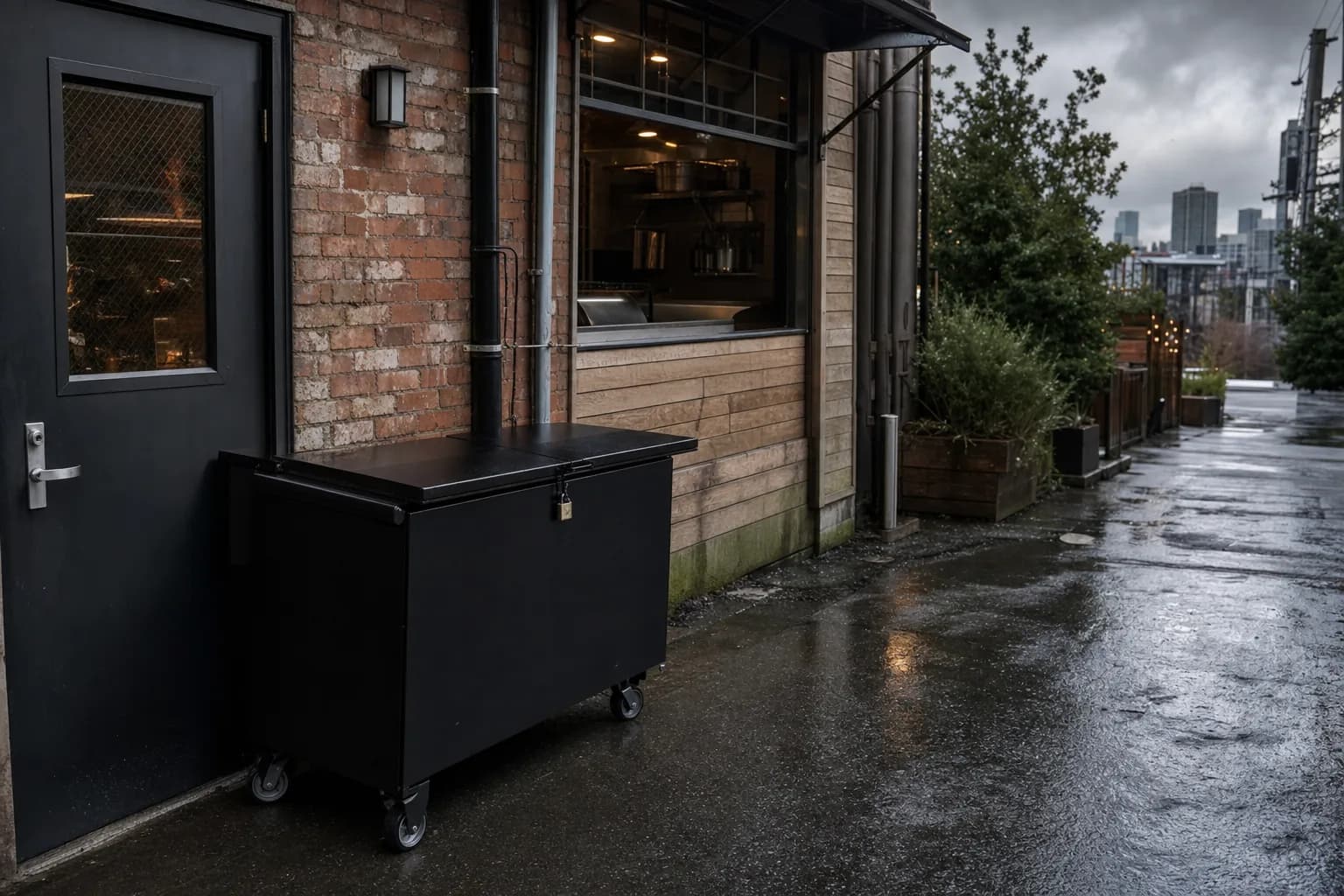
- A free locked collection bin. Your collector drops off a sealed, lockable container sized to your fry volume. Indoor caddy or outdoor bin, it stays locked between pickups.
- No contract. You should not have to sign a multi year agreement to get your fryer oil hauled away. If a company insists on locking you in, that is a red flag, not an industry standard.
- Scheduled pickups. You set a cadence that matches your volume. The collector shows up, pumps the bin, and leaves it clean and locked.
- A compliant digital manifest. After every pickup you get documentation showing how much oil left and where it went. That documented chain of custody to a licensed renderer is your proof of proper disposal.
- A real person to call. When your schedule changes or your bin fills early, you want a human who answers, not a ticket queue.
That is the entire model. Free bin, free pickup, clean records, no contract. At Oil Guyz, every pickup ends with a compliant digital manifest and a documented chain of custody to our licensed renderer, and we keep those records for two years so your paperwork is always there when you need it.
The Washington rules you actually need to know
Washington does not have a single statewide used cooking oil license the way California does, so the rules that matter to a Seattle restaurant come from a few different agencies. Here is who governs what.
Seattle Public Utilities FOG control program
Seattle Public Utilities runs the city's Fats, Oils, and Grease control program, and it sets the hard limits. The Seattle Municipal Code caps grease in wastewater at 100 parts per million by weight. It prohibits discharging fats, oils, and grease into the sewer, including residual fats on dishes, sauces, dairy, and deep fryer oil.
The program also governs your grease interceptor. You are required to install and maintain one, and you must clean it when it is more than 25 percent full of grease and food waste. You cannot use enzymes, emulsifiers, bio additives, or similar chemicals to dissolve the grease, because that just pushes the problem downstream into the sewer. Businesses found out of compliance can face fines that range from $250 to $5,000, plus the cost of any cleanup the city has to perform.
The key point for fryer oil specifically: a grease interceptor is for the grease rinsed off dishes and equipment, not for dumping spent fryer oil. Pouring fryer oil into your interceptor overloads it and is the fast path to an overflow and a violation. Keep the two streams separate.
Public Health Seattle and King County
Public Health Seattle and King County handles food establishment permitting and plumbing review. When you open or remodel a kitchen, the county reviews your plan to confirm a grease interceptor is installed where food containing fats, oils, or grease is cooked, prepared, or served, sized to your fixtures and the applicable plumbing code. These requirements apply to food establishments in Seattle, Beaux Arts Village, Clyde Hill, and unincorporated King County. Recycling your used cooking oil through a licensed collector is the expected practice for keeping that oil out of both your drains and your interceptor.
Washington State Department of Ecology
The Washington State Department of Ecology sets the broader environmental framework, and it runs the statewide tool most operators do not know about. More on that next.
1-800-RECYCLE, the statewide database
Ecology operates Washington Recycles, better known as 1-800-RECYCLE. It is both a hotline at 1-800-732-9253 and an online database at 1800recycle.wa.gov where you can search by material and zip code to find recycling options across the state, including used oil. It is a useful sanity check and a public confirmation that recycling, not drain disposal, is the path Washington expects.
If you want the deeper, line by line walkthrough of staying compliant in the city, read our companion guide on Seattle FOG compliance for restaurants. This pillar is the overview. That post is the field manual.
What happens to your oil after pickup
This is the part that makes the whole thing worthwhile. Your spent fryer oil does not get thrown away. It becomes fuel.
After collection, the oil is filtered to remove food particles and water, then processed into renewable diesel or biodiesel. The Pacific Northwest has become one of the strongest regions in the country for this. Washington's Clean Fuel Standard took effect on January 1, 2023, and it rewards low carbon fuels with credits. Used cooking oil is one of the lowest carbon feedstocks available, which has driven real, durable demand for every gallon collected.
The infrastructure is right here in Washington. The bp Cherry Point refinery, the largest refinery in the Pacific Northwest, co processes used cooking oil alongside other feedstocks into renewable diesel, producing thousands of barrels of renewable fuel per day. Long running regional producers make biodiesel from cooking oil collected at thousands of restaurants across the Northwest. The fryer oil from a Capitol Hill kitchen can end up powering trucks and equipment across the region.
For your restaurant, that means the oil you used to treat as a disposal headache is now a small contribution to cleaner regional fuel. At Oil Guyz, every gallon we collect goes to the refinery to be recycled into clean renewable fuel, and the manifest you receive documents that chain of custody.
Used cooking oil theft is a real Pacific Northwest problem
Because used cooking oil has cash value, it gets stolen. This is not a fringe issue. Thieves in unmarked trucks pull up after hours, break the locks on outdoor grease bins, siphon the oil, and leave spills and damaged equipment behind. Restaurants in the Portland metro area, including Lake Oswego, have had their bins hit, and the same pattern shows up across California and the rest of the West Coast. Federal investigators have even broken up multi state grease heist rings.
Two things matter here. First, stolen oil is a financial and cleanup loss for you. Second, and just as important, oil that walks off in an unmarked truck breaks your chain of custody. If you cannot document where your oil went, you cannot prove you disposed of it properly.
How to protect yourself:
- Use a locked bin. A proper anti theft collection bin with a real lock is your first line of defense. This should come standard from your collector.
- Place it in a lit, visible spot. Thieves prefer dark, hidden corners. Lighting and sightlines deter them.
- Only release oil to your scheduled hauler. Thieves sometimes pose as subcontractors for your collector. If a truck shows up off schedule claiming to be there for your oil, call your collector and verify before anyone touches the bin.
- Keep your manifests. A documented pickup after every collection is both your compliance record and your theft tripwire. If volumes look off, you will notice.
Every Oil Guyz pickup includes a free locked anti theft bin and a manifest documenting exactly what left and where it went, so your oil and your paperwork are both protected.
What it costs and how to choose a collector
The honest answer on cost is that standard used cooking oil collection should be free for a typical Seattle restaurant. The oil's value as a renewable fuel feedstock covers the service. Watch out for companies that bury fees in long contracts, charge for the bin, or add surcharges that turn a free service into a monthly bill.
When you evaluate collectors, look for these:
- Licensed renderer relationship. Your oil should go to a licensed renderer or refinery, with a documented chain of custody. That is what keeps you compliant.
- A real manifest after every pickup. Verbal assurances are not records. You want a compliant digital manifest you can pull up on demand, retained for years.
- No contract. Good service keeps you, not a signature. You should be free to leave if the service slips.
- Right sized bins and flexible scheduling. A collector who actually right sizes your bin and adjusts your pickup frequency saves you from overflows and from paying for half empty hauls.
- Locked anti theft bins included. Security should be standard, not an upsell.
- A person who answers. When your fryer oil fills the bin early on a busy weekend, you need a human, not a hold queue.
Oil Guyz checks every one of these boxes for Seattle and King County kitchens. Free locked bin, free scheduled pickup, no contract, a compliant digital manifest with a documented chain of custody to our licensed renderer after every pickup, two-year record retention, and a real person on the phone at (714) 880-4788.
More Seattle area resources
This pillar is the overview. If you want to go deeper on a specific piece, these companion guides have you covered:
- Seattle FOG compliance for restaurants is the detailed walkthrough of Seattle Public Utilities' FOG control program, the 100 ppm discharge limit, grease interceptor cleaning rules, and exactly what records keep you compliant with Public Health Seattle and King County.
- Used cooking oil pickup in South King County covers Kent, Federal Way, Renton, Auburn, and Tukwila, where the FOG authority shifts city by city even though you are still inside King County.
- Used cooking oil pickup in Tacoma and Pierce County covers the same free pickup model for restaurants south of Seattle, including the Tacoma-Pierce County Health Department's role and what differs from King County.
- Oil Guyz service in the Seattle area lays out our coverage, response times, and how to get started in the city.
Get free used cooking oil pickup in Seattle
If you run a kitchen anywhere in Seattle or King County, you do not need to make fryer oil complicated. Keep it out of your drains, store it in a locked bin, and let a licensed collector haul it away for free and recycle it into clean renewable fuel.
Oil Guyz handles all of it. We drop off a free locked anti theft bin, pick up on a schedule that matches your volume, hand you a compliant digital manifest with a documented chain of custody to our licensed renderer after every pickup, keep your records for two years, and answer the phone when you call. No contract, no bin fees, no runaround.
Call Oil Guyz at (714) 880-4788 to set up free used cooking oil pickup for your Seattle restaurant.