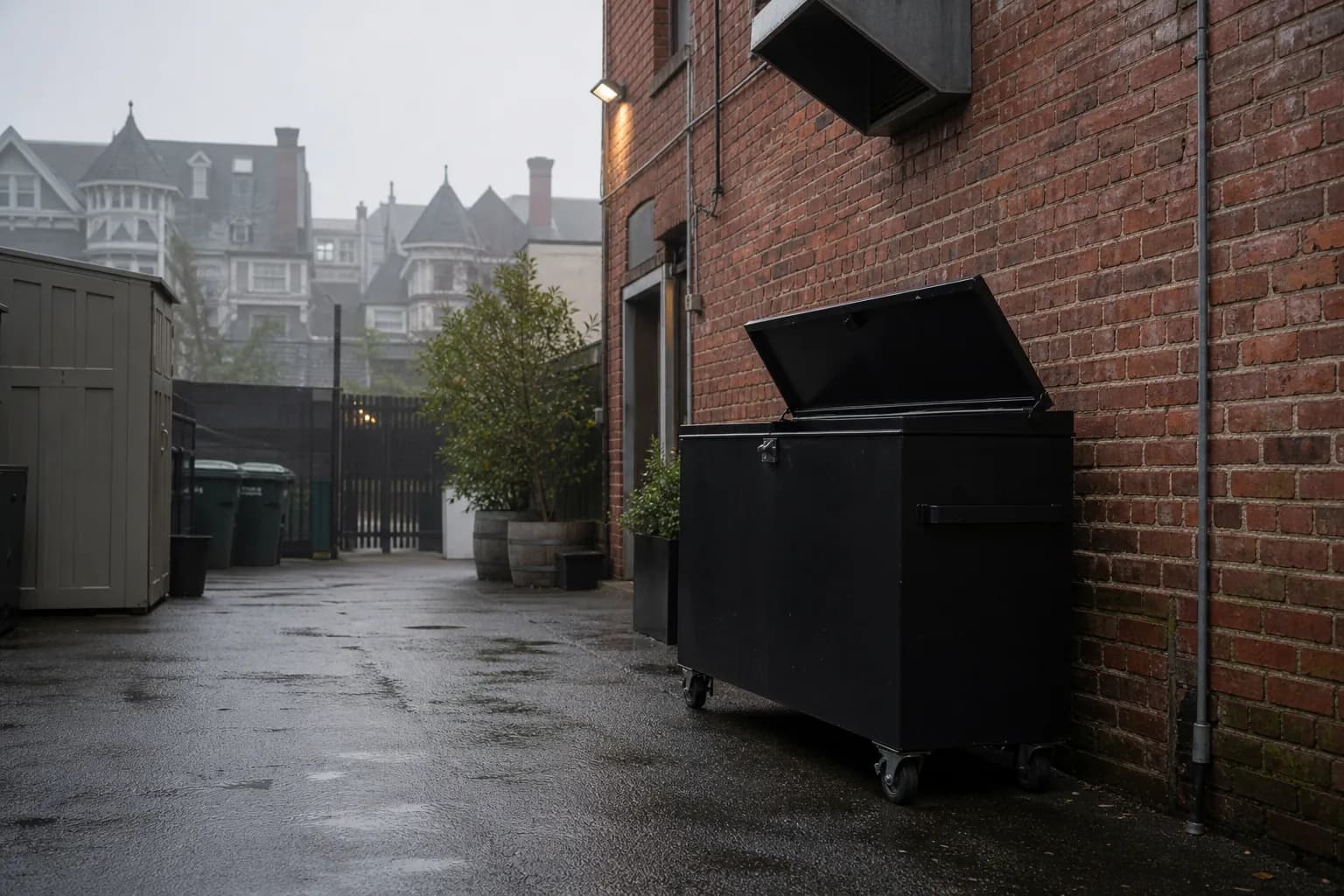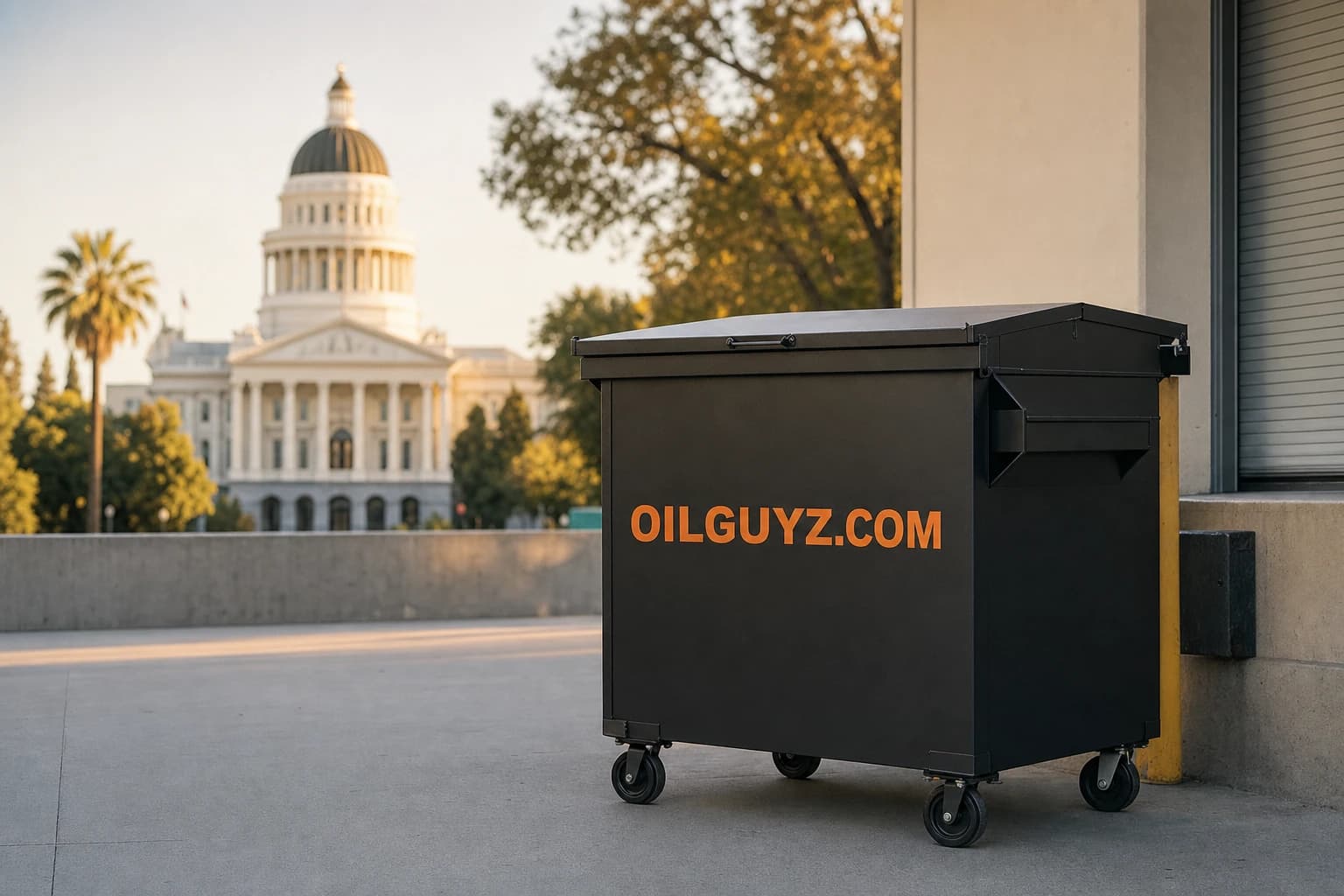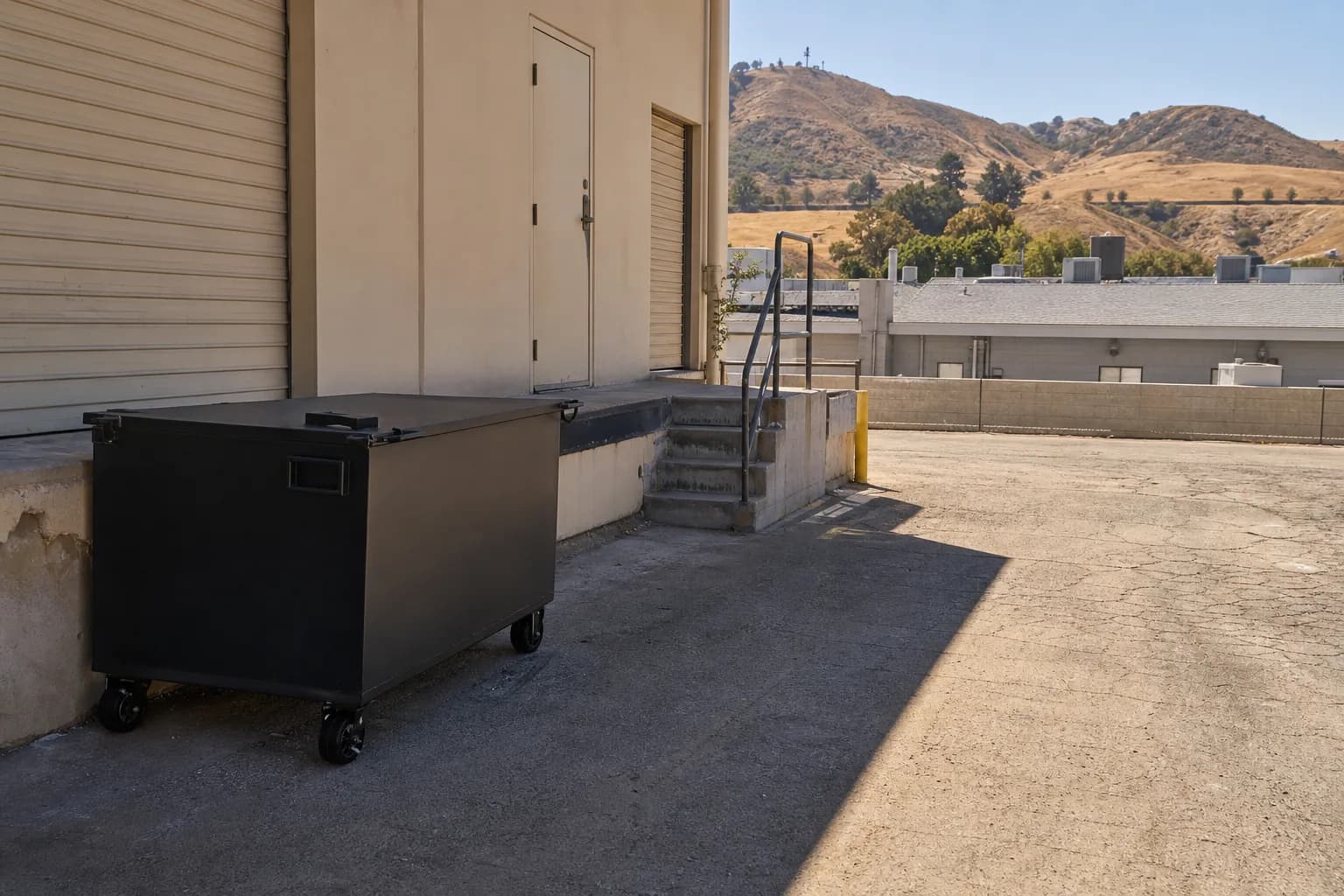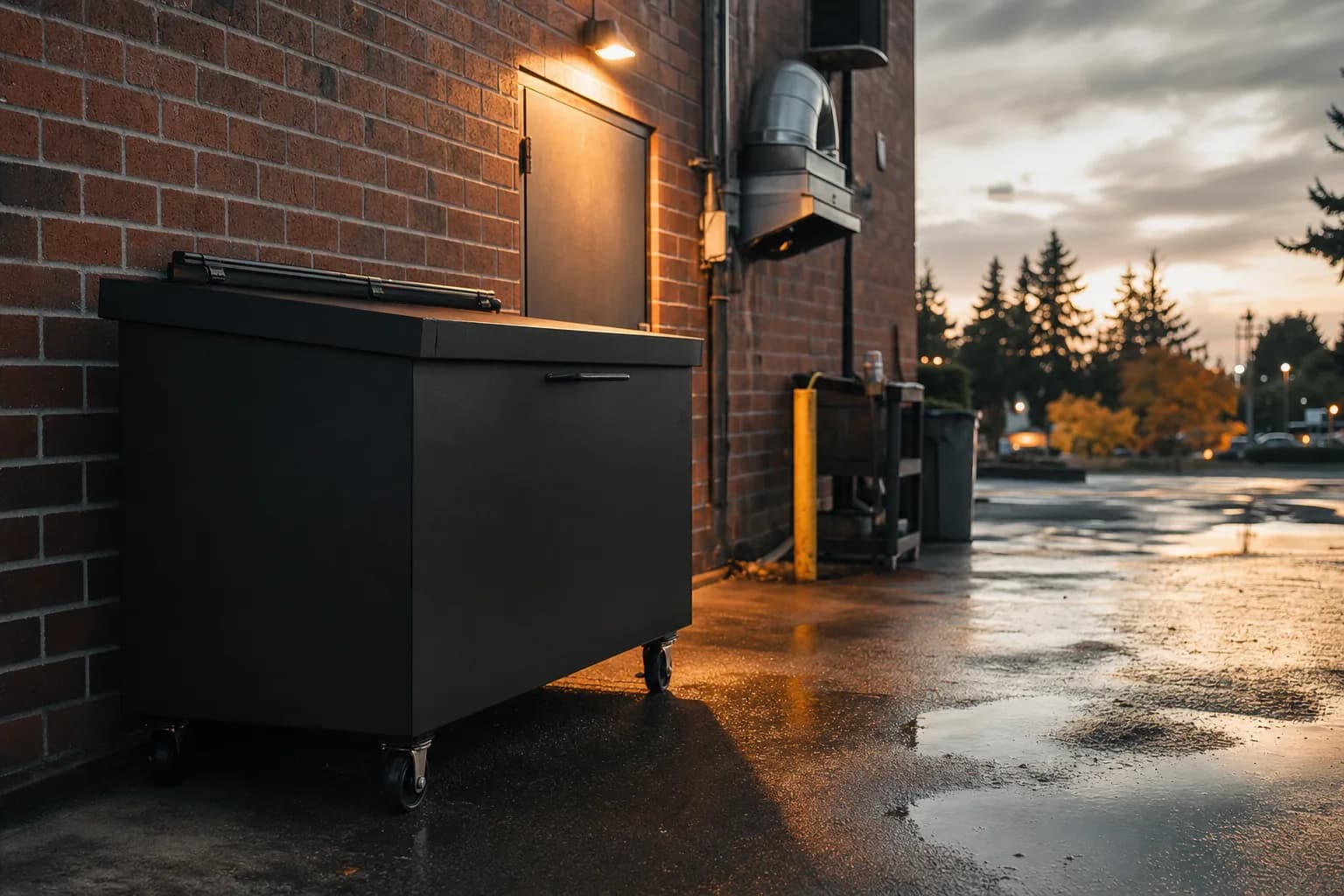

Used cooking oil pickup is free for Tacoma and Pierce County restaurants; call Oil Guyz at (253) 322-7880 to schedule service. Oil Guyz drops a locked anti-theft bin at your kitchen, sets a scheduled pickup that matches your volume, and recycles your oil into clean renewable fuel, all with a compliant digital manifest after every visit. That keeps you onside with the City of Tacoma FOG program and the Tacoma-Pierce County Health Department without adding a line item to your budget.
This guide breaks down who regulates grease in Tacoma and Pierce County, what your restaurant is actually required to do, and how free recycling pickup fits the rules. If you run multiple locations or want the wider regional picture, start with our Seattle area used cooking oil pickup guide, then come back here for the Tacoma specifics.
Who Regulates Grease in Tacoma and Pierce County
Two agencies share oversight of your kitchen, and they look at different things.
The City of Tacoma Environmental Services department runs the Fats, Oils, and Grease (FOG) program under Tacoma Municipal Code 12.08. This is the program that cares about your grease interceptor, your sewer connection, and what goes down your drains. You can reach it at FOG@tacoma.gov or (253) 591-5588.
The Tacoma-Pierce County Health Department handles food safety. It issues your food establishment permit, runs routine inspections, and certifies food worker cards for your staff. Its food safety office sits at 3629 South D Street in Tacoma. While the Health Department focuses on safe food handling, inspectors notice an overflowing grease bin or a sewer backup, and those problems can pull both agencies into your kitchen at once.
One important note for Washington. There is no CDFA license at play here the way there is in California. Washington maintains a public 1-800-RECYCLE database so businesses and residents can find legitimate recyclers. So when you choose a used cooking oil partner, you want one that recycles through a properly permitted renderer and gives you documentation, not just a verbal promise.
What the City of Tacoma FOG Program Requires
Tacoma takes grease seriously for a practical reason. The city has stated that nearly half of all sewer blockages are caused by improperly disposed fats, oils, and grease. When a sewer line backs up because of grease, the business it traces back to can face cleanup costs and enforcement.
Here is what the FOG program expects from a food service establishment.
A properly sized grease interceptor. Every establishment that produces FOG must install and maintain one. Tacoma generally allows a hydromechanical grease interceptor (HGI) for kitchens serving roughly 40 meals or fewer per peak hour, and requires a larger gravity grease interceptor (GGI) with a minimum 500 gallon capacity for higher volume operations. New construction usually defaults to a gravity interceptor unless an engineer shows it is less effective. Installation plans need city approval before the work happens.
Regular cleaning on the 25 percent rule. Tacoma requires that an interceptor be cleaned whenever 25 percent of any chamber fills with grease or solids. In practice, hydromechanical units are typically serviced monthly, and gravity interceptors are scheduled by volume. A qualified hauler pumps the interceptor, not your staff.
Records kept on site. You must keep a dated log of all cleaning and maintenance, and it should be available when an inspector asks. Missing records are one of the most common reasons a routine visit turns into a problem.
Used cooking oil kept out of the interceptor and the drain. This is the part many owners get wrong. Your spent fryer oil is not supposed to go into the grease interceptor or down any drain. The city's own guidance tells restaurants to collect waste cooking oil in lidded containers and transfer it to drums or bins for recycling. That is exactly where a free pickup service comes in.
There is also a newer wrinkle worth knowing. In early 2025, Tacoma adopted Ordinance 29015, which requires real estate brokers and property managers to share an educational flyer about grease interceptor requirements with prospective restaurant tenants and buyers. The goal is to make sure new operators understand the infrastructure cost before they sign a lease. If you are opening a new Pierce County location, ask about interceptor requirements before you commit to a space, because a missing or undersized interceptor has shut down promising restaurants in this city.
Grease Trap Versus Used Cooking Oil: Two Different Jobs
It is easy to lump everything greasy together, but Tacoma treats these as two separate streams, and so should you.
Your grease interceptor is plumbed into your sinks and dish line. It catches the grease suspended in your wash water before that water reaches the sewer. It has to be pumped by a qualified hauler, and the waste it holds is dirty, water heavy, and not a clean recycling product.
Your used cooking oil is the spent oil you pour out of the fryer. Kept clean and separate, it is a valuable feedstock for renewable fuel. That value is the entire reason a recycler can pick it up for free. The cleaner you keep it, the more useful it is.
Confusing the two creates real compliance risk. Pouring used cooking oil into the grease trap overloads the interceptor and triggers the 25 percent cleaning threshold faster, which means more pump-outs and higher cost. Pouring it down a drain can cause the sewer blockages Tacoma is trying to prevent. Keep your fryer oil going into its own collection bin, and you solve both problems at once.
How Free Used Cooking Oil Pickup Works
Free pickup is straightforward, and it is built to fit the FOG rules above rather than work around them.
- A free locked, anti-theft collection bin. Used cooking oil theft is real, and an unsecured barrel out back is a target. Your bin locks, so your oil stays yours.
- Scheduled pickups sized to your volume. Whether you run a single fryer or a high volume kitchen, the schedule matches how fast you fill the bin, so it never overflows behind your building.
- No contract. You are not locked into a multi year agreement. Service stays because it works, not because of a clause.
- A compliant digital manifest after every pickup. You get documented chain of custody from your kitchen to our licensed renderer, the kind of paper trail that satisfies both Tacoma's FOG recordkeeping expectations and a Health Department inspector. We keep 2 years of records.
- A real person answers. When you need a pickup moved up or have a question, you reach a human, not a phone tree.
For the broader compliance picture across the region, including how municipal sewer programs frame their FOG rules, our guide on FOG compliance for restaurants walks through the recordkeeping and inspection side in more depth.
What Happens to Your Oil After Pickup
This is where your waste becomes someone else's fuel.
Once collected, your used cooking oil is filtered and processed through our licensed renderer and refinery into clean renewable fuel. It becomes feedstock for biodiesel and renewable diesel, the lower carbon fuels that power trucks and equipment across the Pacific Northwest. Nothing goes to a landfill, and nothing ends up in Commencement Bay or the Puyallup River watershed.
Washington supports this loop deliberately. The state's 1-800-RECYCLE database exists to connect waste oil with legitimate recyclers. When you recycle through a documented chain of custody, you are not just clearing a bin. You are feeding a renewable fuel supply chain that Washington actively wants to grow.
Getting Set Up in Tacoma or Pierce County
If you run a kitchen anywhere in Tacoma, Lakewood, Puyallup, University Place, Gig Harbor, or the rest of Pierce County, here is the short version. Keep your grease interceptor sized, serviced, and documented under the City of Tacoma FOG program. Keep your used cooking oil in its own locked bin and recycled, never down the drain. Hold onto your records for both.
Oil Guyz handles the used cooking oil side for free, with a locked bin, scheduled pickups, a compliant digital manifest, and 2 years of records, so your chain of custody is always ready for an inspector.
Ready to set up free used cooking oil pickup for your Tacoma or Pierce County kitchen? Call Oil Guyz at (714) 880-4788 and a real person will get your bin and schedule sorted, no contract required.