
If your restaurant operates in Seattle, fats, oils, and grease (FOG) compliance comes down to three things: install and maintain an approved grease interceptor, keep your wastewater under 100 parts per million of grease, and recycle your used cooking oil instead of letting it reach a drain. Seattle Public Utilities runs the FOG control program, Public Health Seattle and King County handles your food permit and plumbing plan review, and the rules live in Seattle Municipal Code chapter 21.16. Get those pieces right and inspections become a formality.
This guide breaks down exactly what each agency expects, what the code actually says, and how a free used cooking oil pickup fits into the picture. For the full regional walkthrough, see our used cooking oil pickup Seattle guide.
Who Regulates Grease in Seattle
Three different bodies touch your kitchen, and it helps to know which one cares about what.
Seattle Public Utilities (SPU) owns the FOG control program. SPU cares about what flows into the public sewer. The agency sets the discharge limits, enforces the grease interceptor rules, and issues the fines when a kitchen sends grease into the city's pipes. If you have a question about an interceptor install or approval, SPU's FOG program is the office to email at greasefreepipes@seattle.gov.
Public Health Seattle and King County issues your food business permit and runs the food service plan review. Before you open or remodel, this is the agency that reviews your floor plan, equipment list, and plumbing. They are the ones who confirm an approved interceptor is in place before food ever hits a fryer.
Washington State Department of Ecology sets the statewide backdrop for waste and recycling. Ecology does not inspect your interceptor, but it runs the statewide 1-800-RECYCLE database that points generators to licensed recyclers.
Notice what is not on this list: there is no CDFA in Washington. California has a state agency that registers inedible kitchen grease haulers. Washington does not run an equivalent program, so Seattle compliance is a city and county matter layered on the state waste framework, not a state grease-hauling registration.
The Seattle Municipal Code Rules That Matter
Seattle's FOG requirements are spelled out in the side sewer chapter of the municipal code. Three sections do most of the work.
The 100 ppm discharge limit (SMC 21.16.300)
Seattle Municipal Code 21.16.300 prohibits discharging wastewater that contains more than 100 parts per million by weight of fats, oils, or grease. That is the hard line. SPU can also cite you on sight: if there is visual evidence of grease buildup coming from your private side sewer line, you are in violation even without a lab sample. In practice this means a properly maintained interceptor and disciplined kitchen habits are your real defense, not hoping nobody pulls a sample.
Install and maintain an interceptor (SMC 21.16.310)
Food service businesses must install and maintain a grease interceptor. This is not optional for kitchens that produce FOG, and the interceptor has to be approved before installation. Seattle wants to sign off on the device and the install, which is why SPU asks operators to contact the FOG program before putting one in.
The 25 percent rule (SMC 21.16.310)
This is the maintenance rule inspectors quote most often. You must clean your interceptor before grease and food solids reach 25 percent of the tank's total capacity. If the manufacturer specifies a stricter schedule, you follow that. Once you hit the 25 percent mark, cleaning is mandatory. The reason is simple: past that threshold, an interceptor stops doing its job and grease starts riding through to the sewer.
No enzymes or additives
SPU prohibits emulsifying agents, enzymes, bio-additives, and similar chemicals in grease interceptors. These products are sold as a shortcut, but they do not eliminate grease. They liquefy it so it slides past the interceptor and re-solidifies downstream, which is the exact failure the program exists to stop. Mechanical pump-outs are the compliant route.
Grease Interceptor vs. Used Cooking Oil
These two things get blurred constantly, and the distinction matters for both compliance and your wallet.
Your grease interceptor handles the diluted, watery grease that comes off dishwashing, prep sinks, mop sinks, and floor drains. That is the FOG that SPU regulates under chapter 21.16, and it is the stuff that clogs city sewers. It is messy, mixed with food solids and water, and it costs you money to pump out.
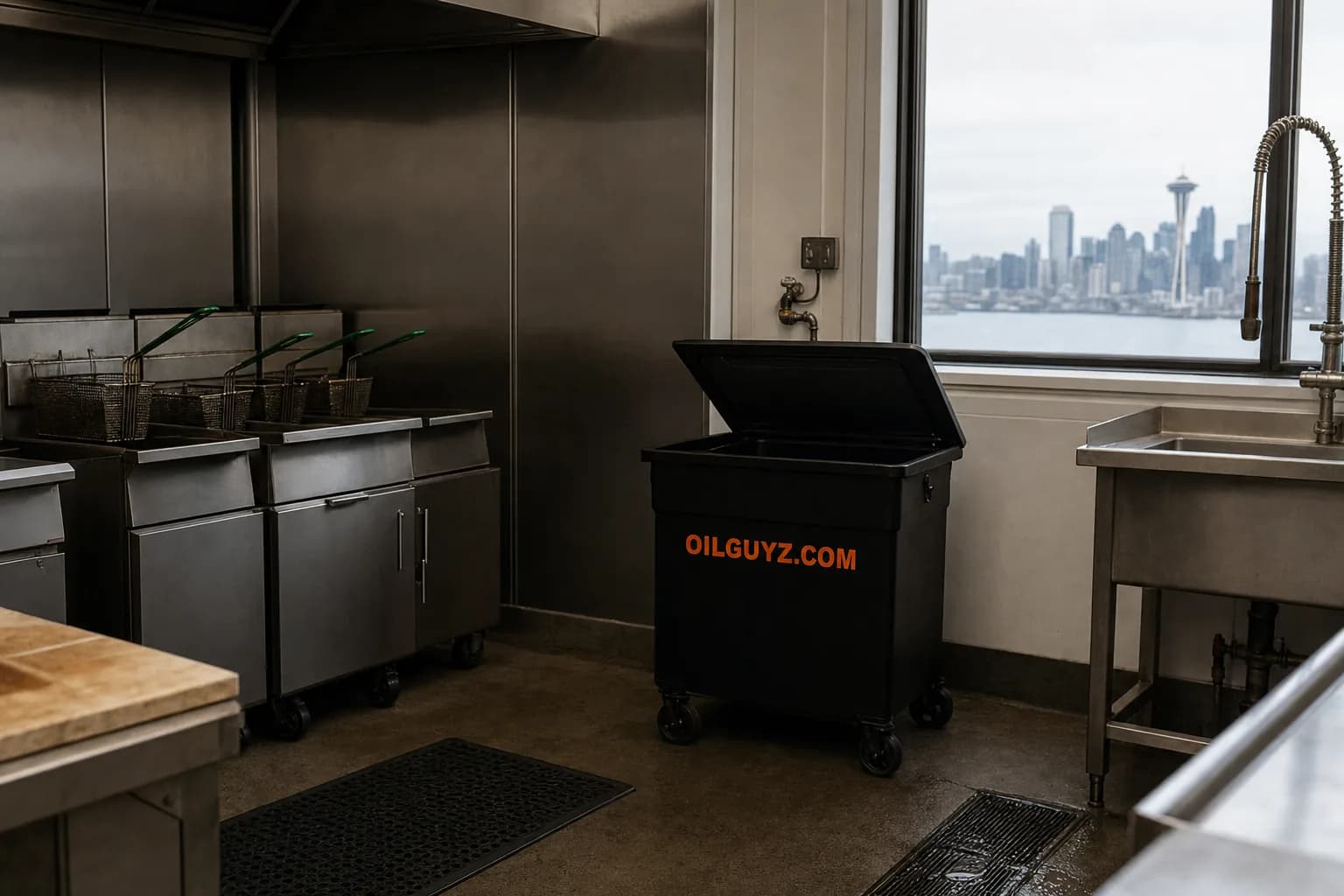
Your used cooking oil, sometimes called yellow grease, is the clean fryer oil you change out of your deep fryers. It should never touch a drain or your interceptor. When you collect it separately in a sealed bin, it has real value as a renewable fuel feedstock, and recycling it is one of Seattle Public Utilities' recommended steps for commercial kitchens.
Here is the connection most operators miss: every gallon of fryer oil that ends up in a sink instead of a recycling bin is a gallon pushing your interceptor toward that 25 percent line and your effluent toward the 100 ppm limit. Keeping oil out of the drain is both a compliance move and an interceptor-maintenance move.
How Washington Treats Used Cooking Oil
Used cooking oil is not ordinary trash. It cannot go on the ground, in the garbage, or down a drain. The expected path is recycling through a licensed collector, which the state encourages through its 1-800-RECYCLE database. When you book a recurring pickup, the oil leaves your kitchen, gets documented, and heads to a refinery instead of a landfill or a storm drain.
Inspections and Recordkeeping
There is no single Seattle grease inspector who shows up unannounced for everything. Instead, oversight is split.
Public Health Seattle and King County inspects your food establishment on a regular schedule for food safety, and your approved interceptor is part of what gets reviewed when you open or remodel. Every three-compartment sink, prep sink, dump sink, floor drain, dipper well, and espresso drain in the kitchen is expected to discharge through that approved interceptor.
Seattle Public Utilities oversees the FOG side. SPU responds to sewer problems, complaints, and grease-related blockages, and it can trace a clog back to the kitchen that caused it. If your side sewer is the source, the buildup itself is the violation.
The paperwork that protects you is straightforward:
- Interceptor pump-out records. Keep dated receipts from every cleaning so you can show the 25 percent rule was respected.
- Used cooking oil pickup records. Keep documentation of every oil pickup so there is a clear chain of custody showing where your oil went.
- Plan review and permit documents. Hold onto your food business permit and the approved plumbing plan that shows your interceptor.
Good records turn a tense inspection into a quick one. When an inspector asks where your grease and oil go, a folder of dated receipts answers the question before it becomes a problem.
What Happens If You Fall Out of Compliance
Seattle takes FOG seriously because grease blockages cause sewer backups and overflows. A restaurant or commercial kitchen found out of compliance with the municipal code can face fines that range from a few hundred dollars up to several thousand per violation. On top of the fine, if your discharge damages the city's sewer system, you can be billed for the cleanup and repair costs. A single grease-caused backup can cost far more than years of routine maintenance and pickups.
The good news is that compliance is mostly habit. Scrape plates before washing. Pump the interceptor on schedule. Skip the enzyme products. And keep fryer oil out of the drain by collecting it separately.
Where Used Cooking Oil Pickup Fits In
This is the easiest piece to get right, and it quietly supports everything above. When you have a sealed collection bin for your fryer oil, that oil never reaches a sink, so it never loads your interceptor or your effluent. You stay further from both the 25 percent line and the 100 ppm limit by design, not by luck.
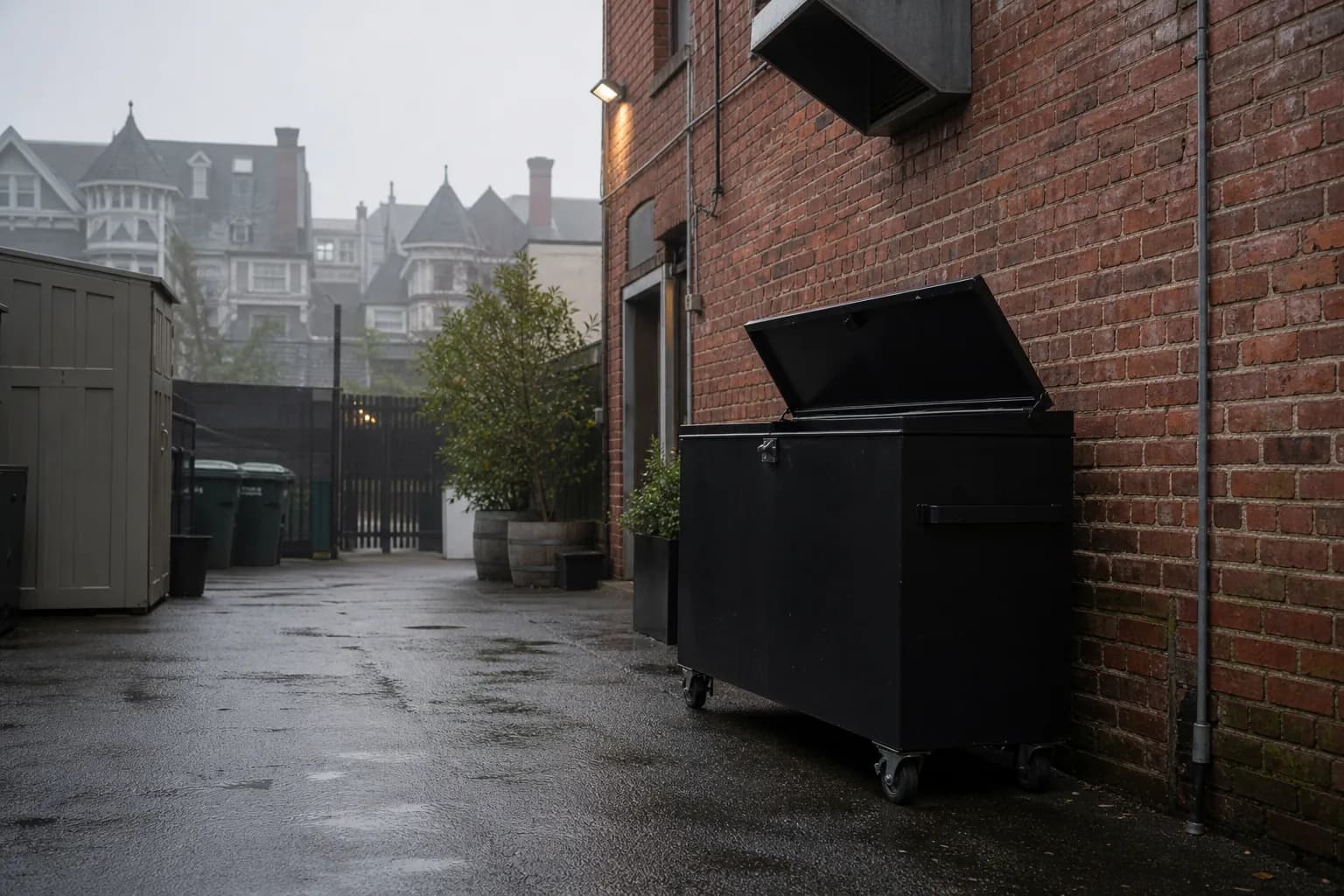
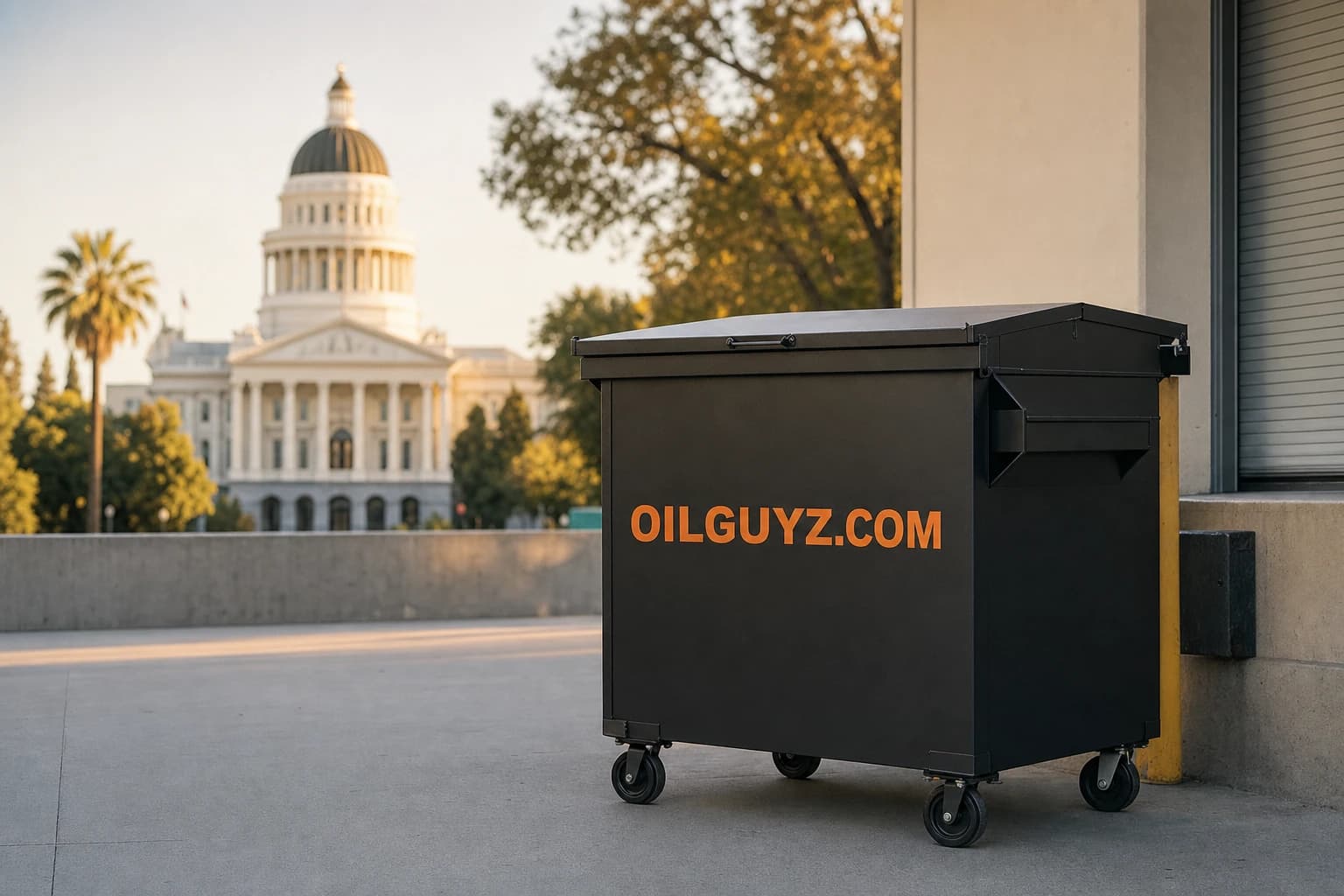
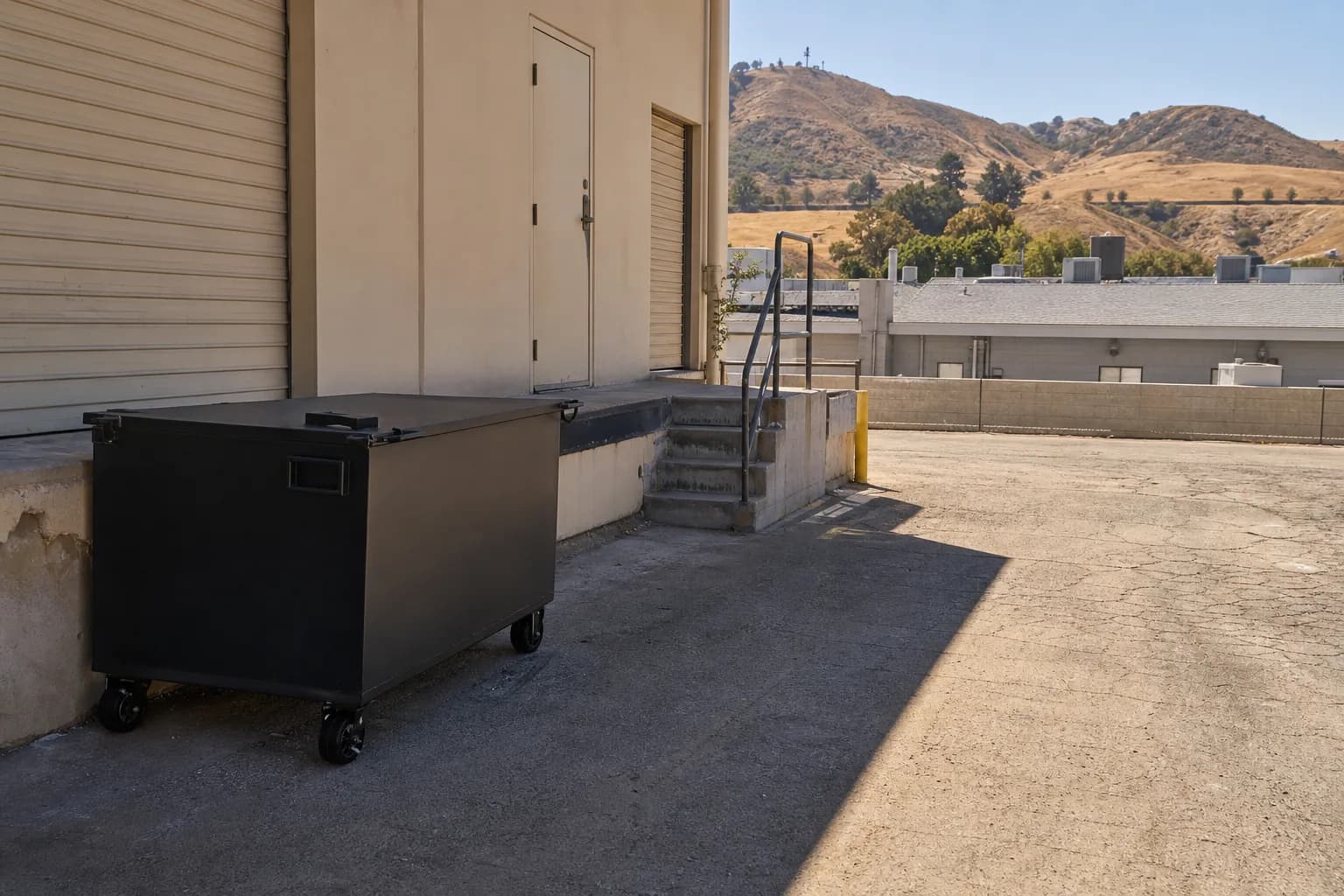
Oil Guyz makes that part simple for Seattle kitchens. We provide a free, locked anti-theft collection bin, set a pickup schedule that matches your volume, and there is no contract to sign. After every pickup you get a compliant digital manifest with a documented chain of custody, and we keep those records for two years, so the recordkeeping side of your FOG file is handled. The oil we collect is recycled into clean renewable fuel through our licensed renderer and refinery, and a real person answers when you call.
If you run kitchens in the south end of the metro too, the same approach applies across the city line. See our guides to used cooking oil pickup in South King County (Kent, Federal Way, Renton, Auburn, and Tukwila) and Tacoma and Pierce County for the local details there.
The Bottom Line
Seattle FOG compliance is not complicated once you separate the parts. Seattle Public Utilities and chapter 21.16 govern your interceptor and your sewer discharge. Public Health Seattle and King County handles your permit and plumbing approval. The state's 1-800-RECYCLE database points you to licensed recyclers. Keep your interceptor under 25 percent, your effluent under 100 ppm, your additives out, and your fryer oil in a recycling bin, and you have covered the rules that actually get enforced.
For the complete regional overview, start with our used cooking oil pickup Seattle guide.
Ready to take the oil side off your plate? Oil Guyz offers free used cooking oil pickup for Seattle restaurants and commercial kitchens, with a free locked bin, scheduled service, no contract, and a compliant manifest after every pickup. Call (714) 880-4788 to set up your first pickup.