Compliance11 min read
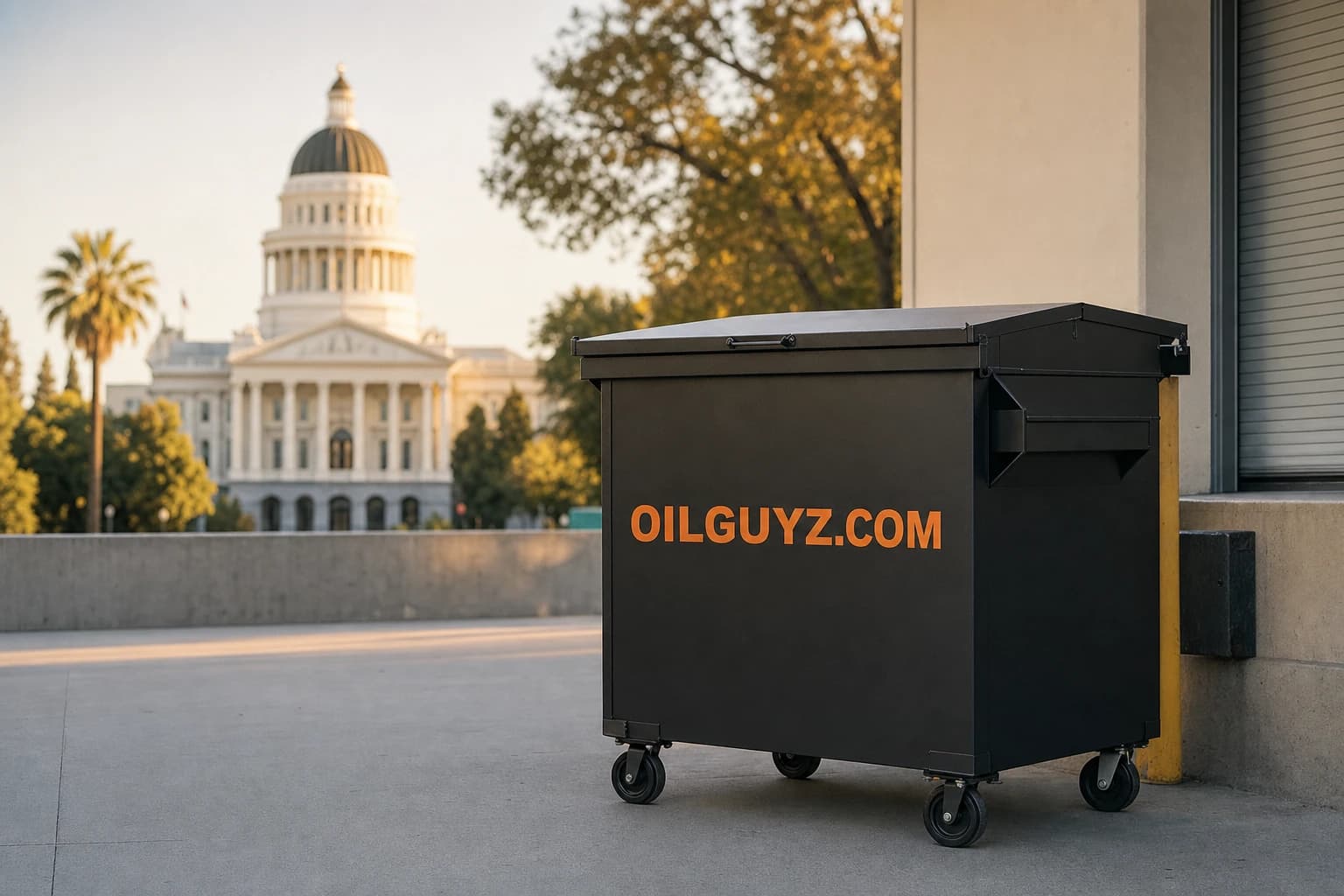
California Used Cooking Oil Disposal Law
Why CalRecycle doesn't cover California Used Cooking Oil Disposal Law, what CDFA and Food & Ag Code 19300 require, and how local FOG rules stack on top.
October 6, 2026Read More
Practical guides on grease trap maintenance, CDFA compliance, and everything California restaurant owners need to keep their kitchens running clean.
Why CalRecycle doesn't cover California Used Cooking Oil Disposal Law, what CDFA and Food & Ag Code 19300 require, and how local FOG rules stack on top.
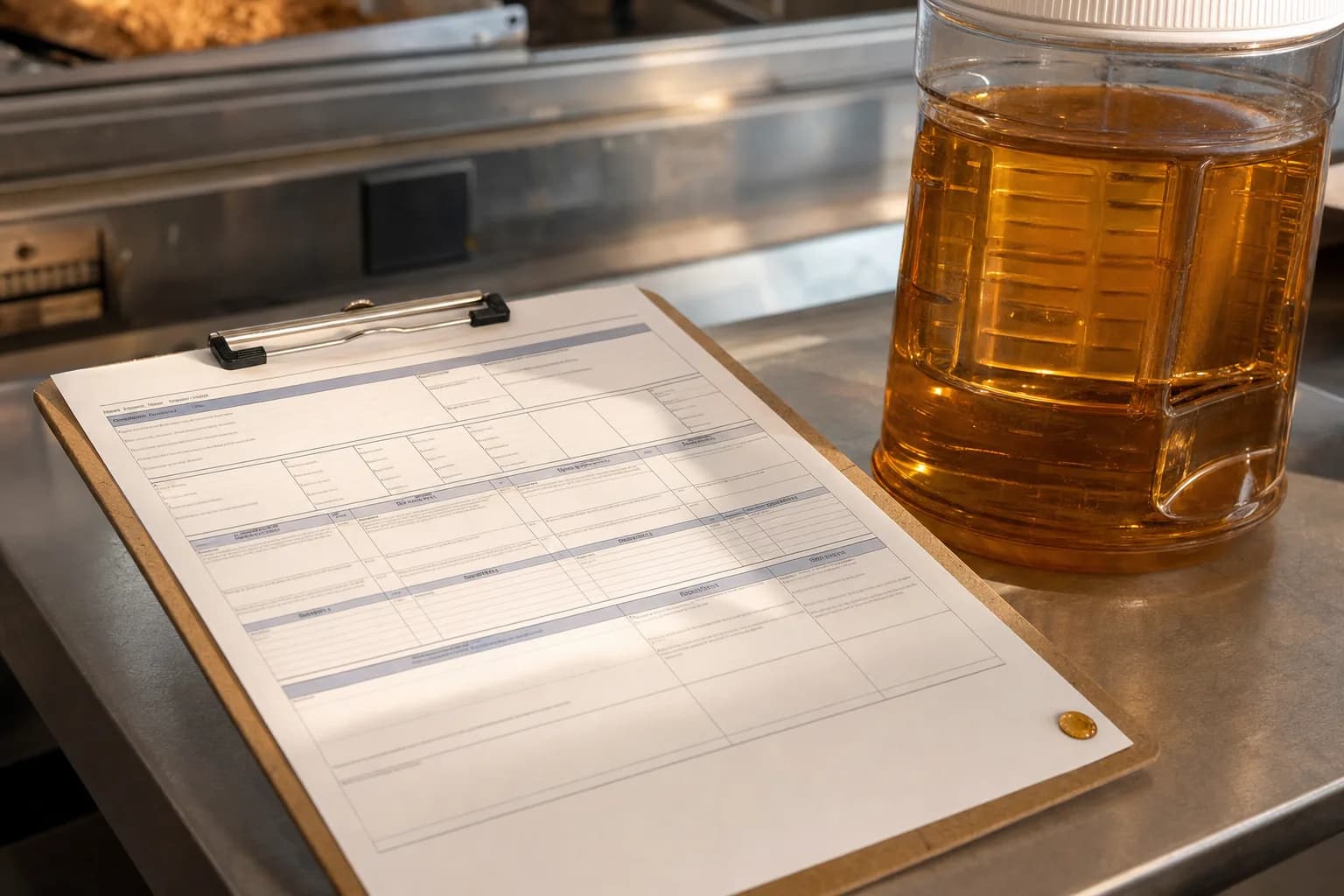
Plain-English guide to cooking oil compliance for California restaurants, what the law actually requires, what inspectors check, and the 3 documents every operator needs.
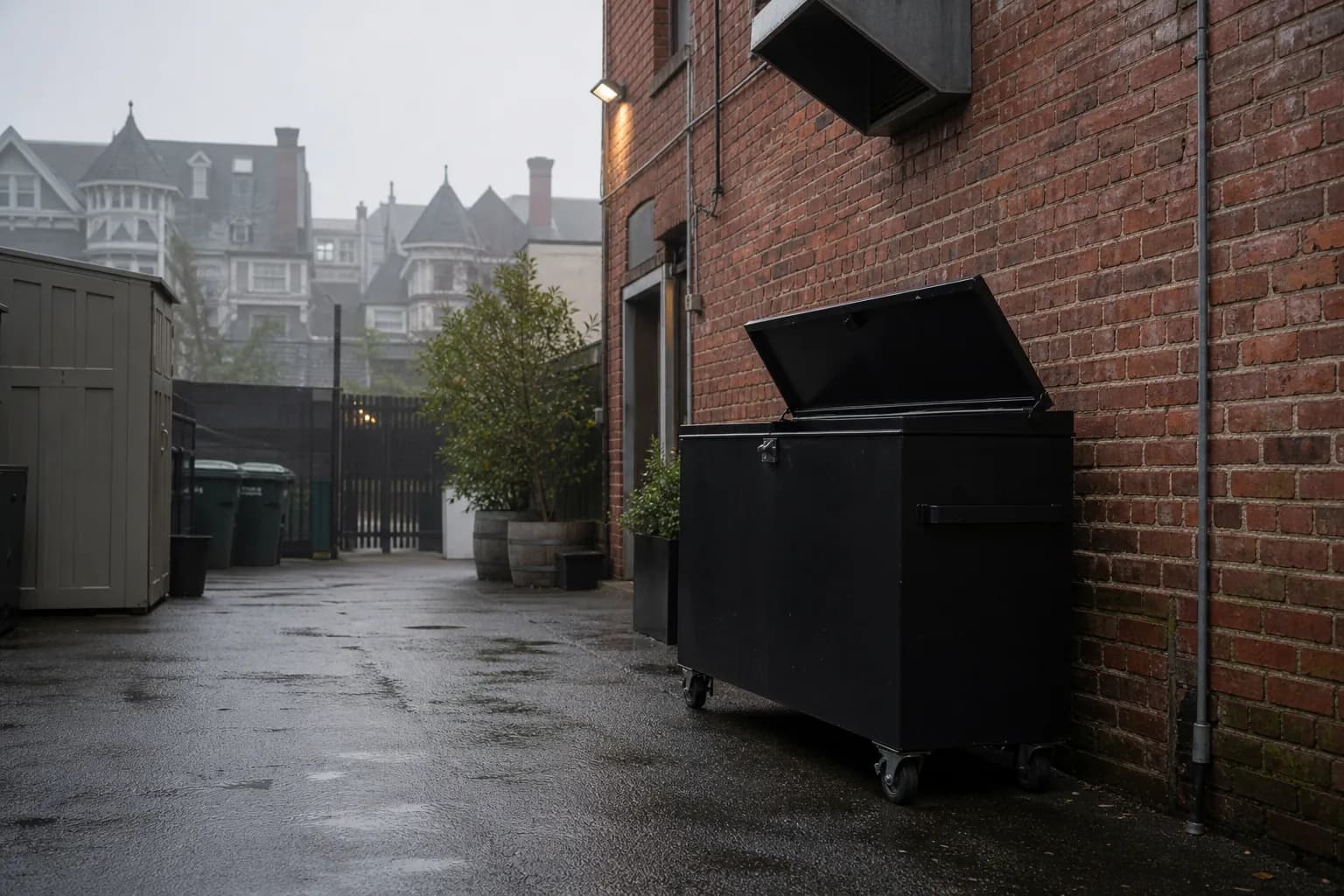
Cooking oil disposal in the Bay Area: which routes are open to commercial kitchens in San Francisco, Oakland, and San Jose, and how free registered pickup works.
Why CalRecycle doesn't cover California Used Cooking Oil Disposal Law, what CDFA and Food & Ag Code 19300 require, and how local FOG rules stack on top.
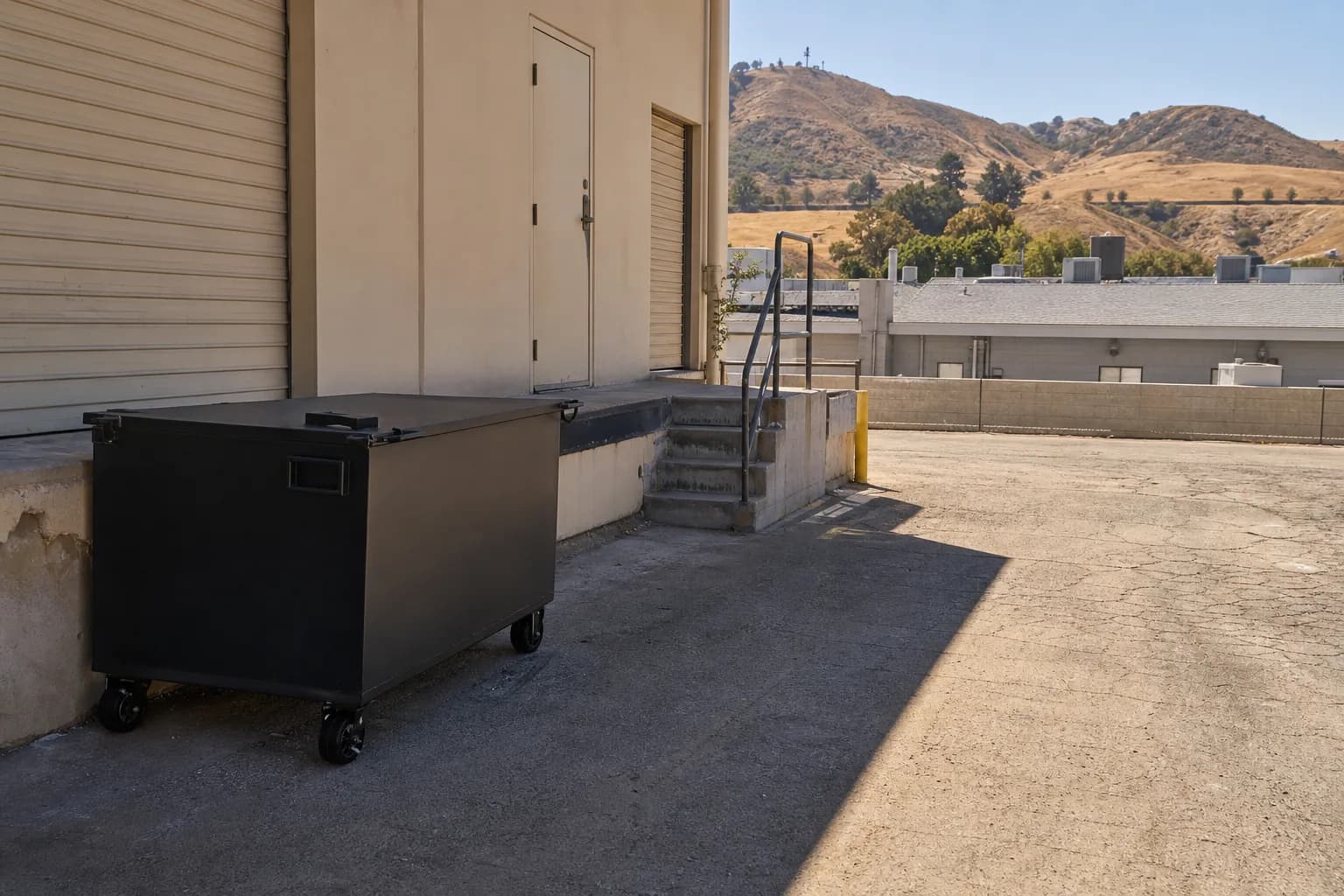
Cooking oil disposal in the Inland Empire: which agency sets your city's rules, why county waste sites refuse business oil, and how kitchens get free pickup.

Cooking oil disposal in San Diego: who regulates your kitchen, why Miramar is residents-only, and the free pickup route that keeps restaurants compliant.
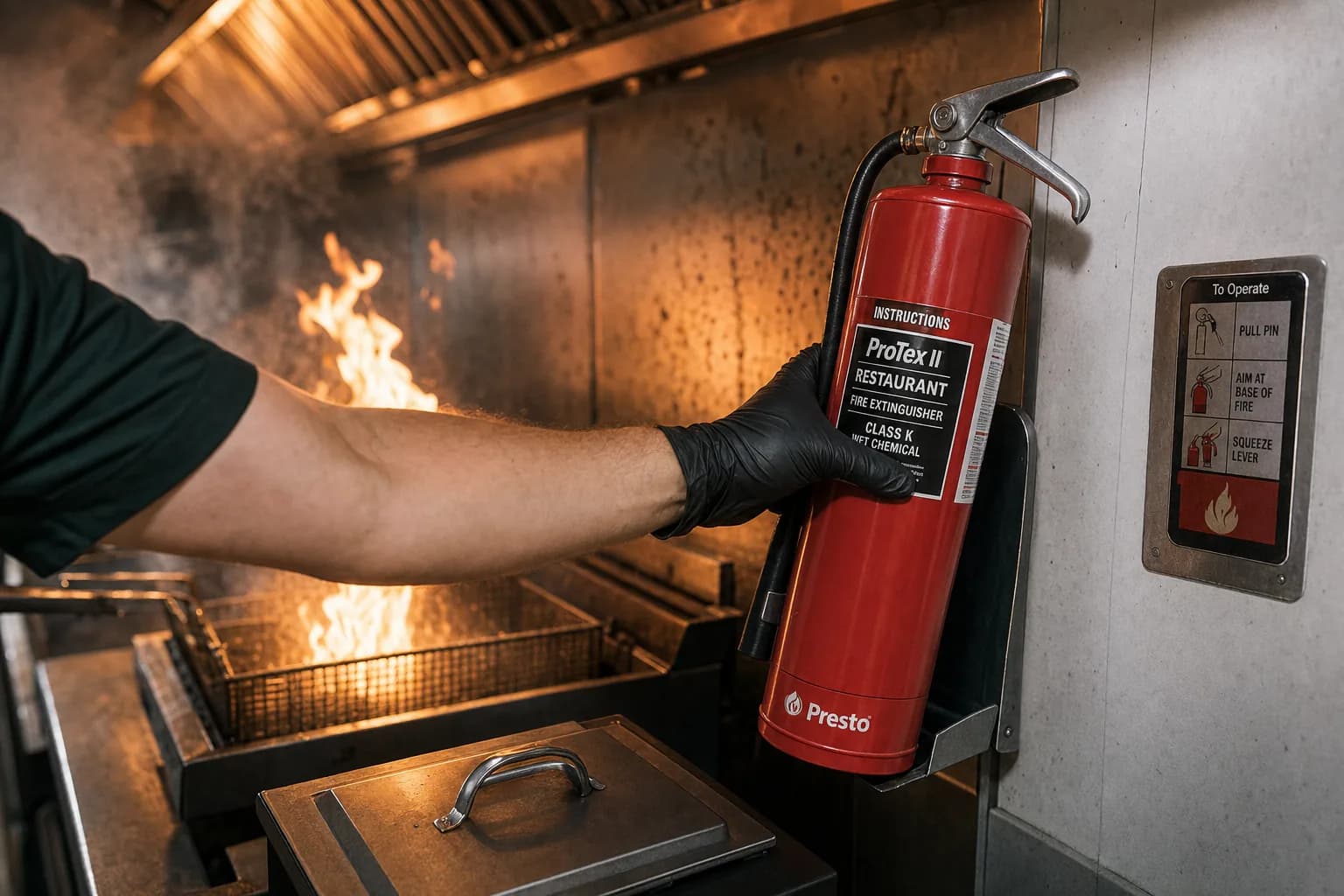
What to do during a restaurant kitchen grease fire: smother small flare-ups, never use water, pull the suppression system, and know exactly when to call 911.
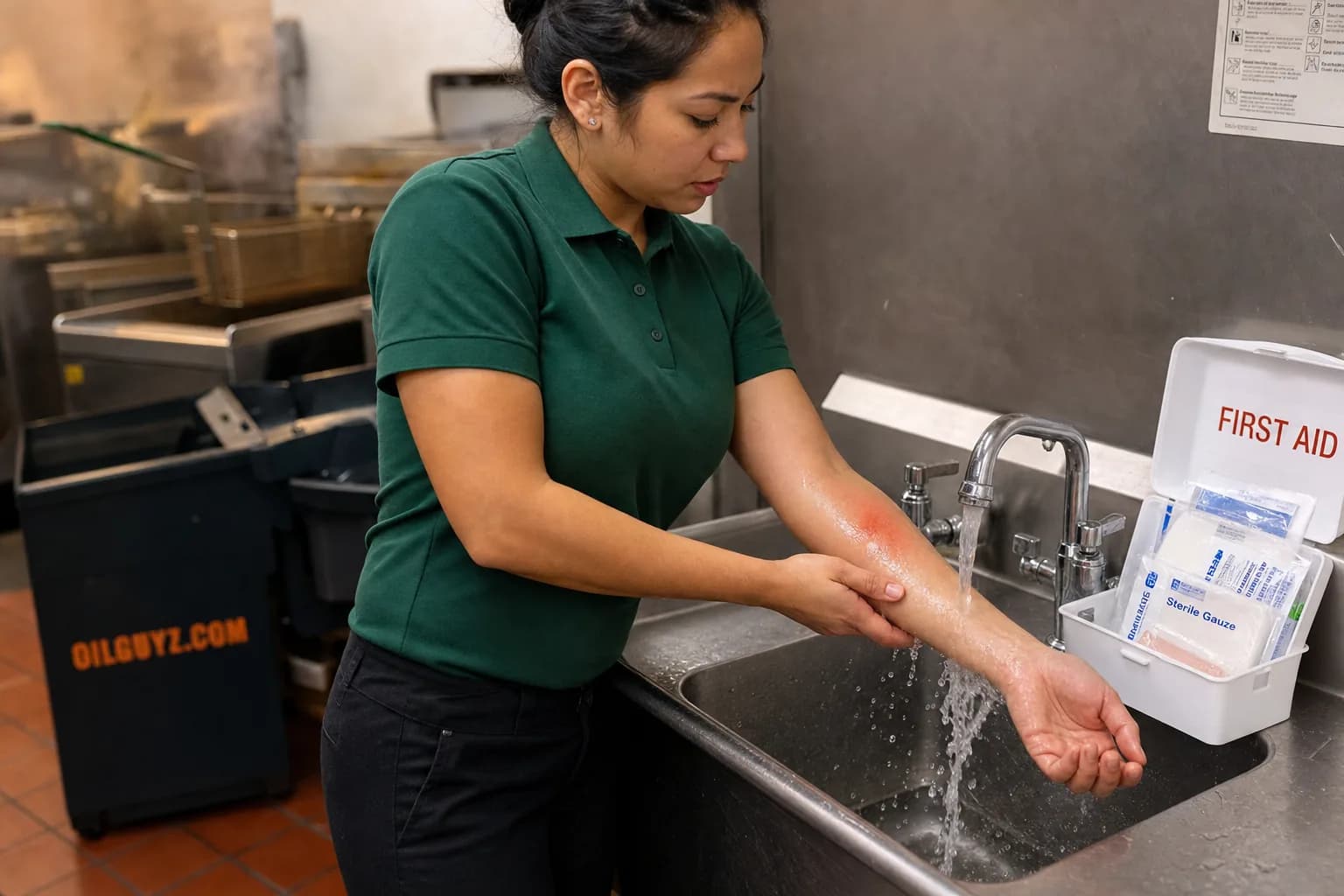
Hot oil burn first aid for restaurant kitchens: cooling steps, what never to apply, when to call 911, and the OSHA and workers' comp paperwork it triggers.
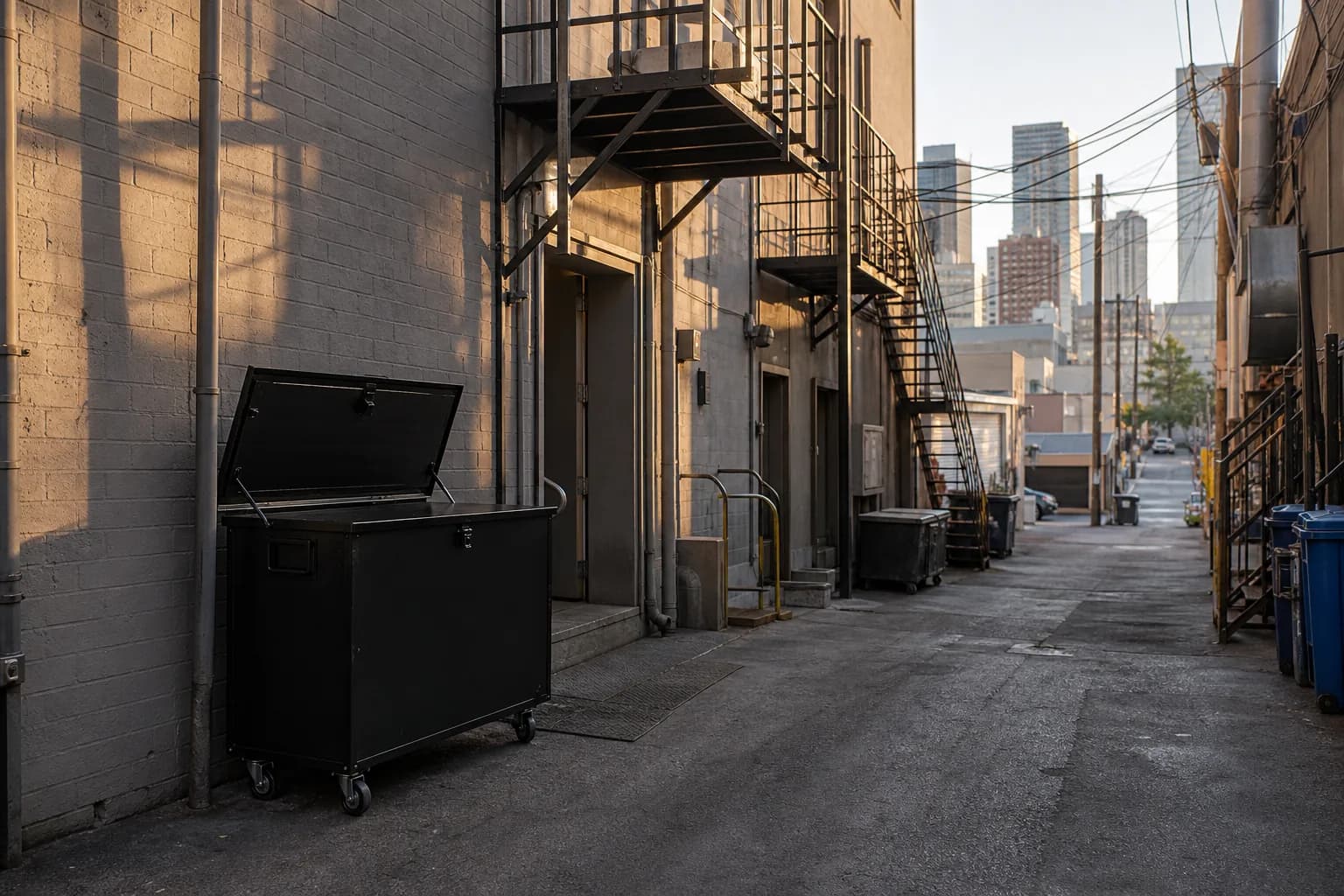
Free commercial pickup with a manifest, so the S.A.F.E. center turning you away is not your problem. Which LA agency reviews your grease file.
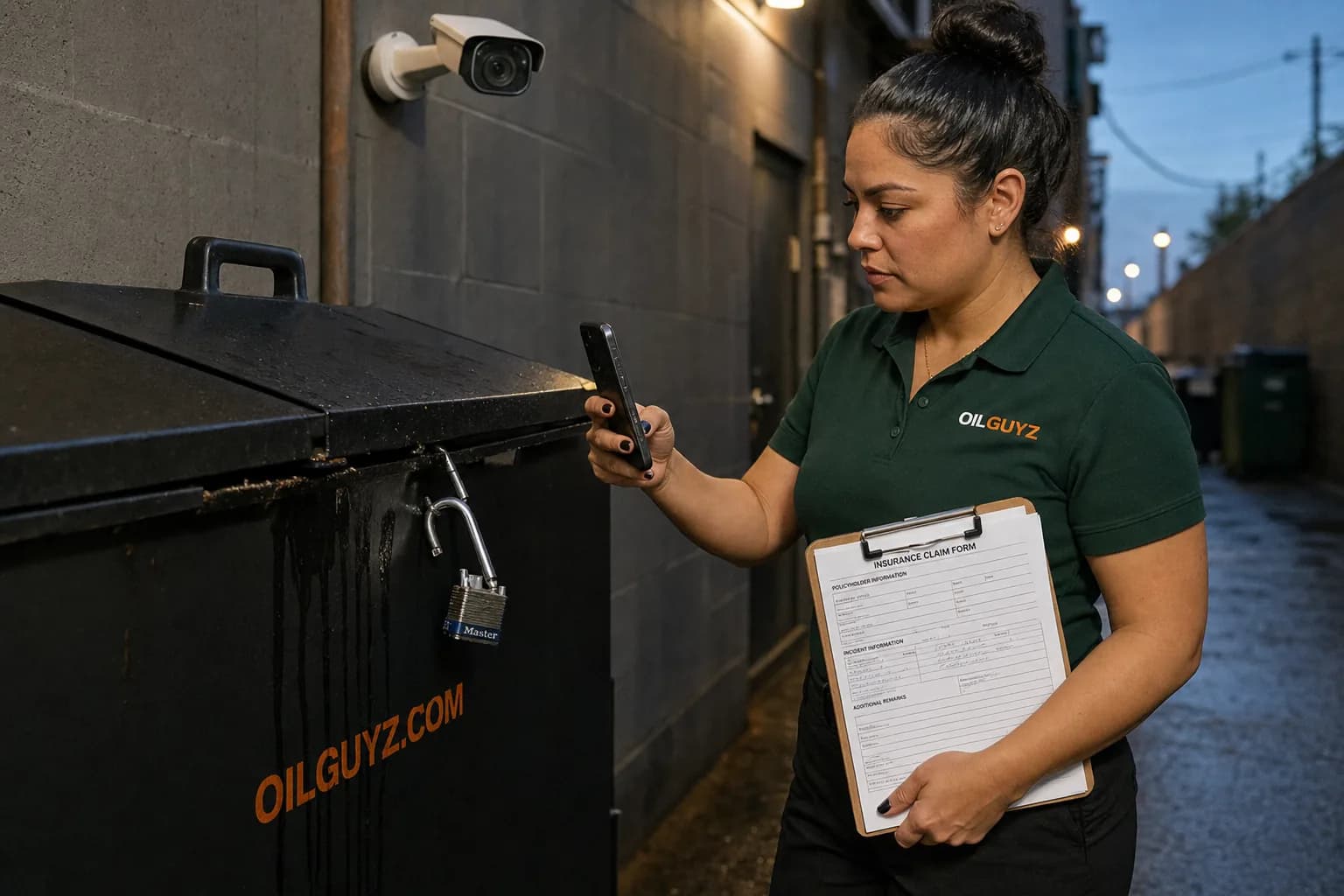
Does insurance cover stolen cooking oil? What a commercial theft claim requires, why bin theft often gets denied, and when filing beats the deductible.
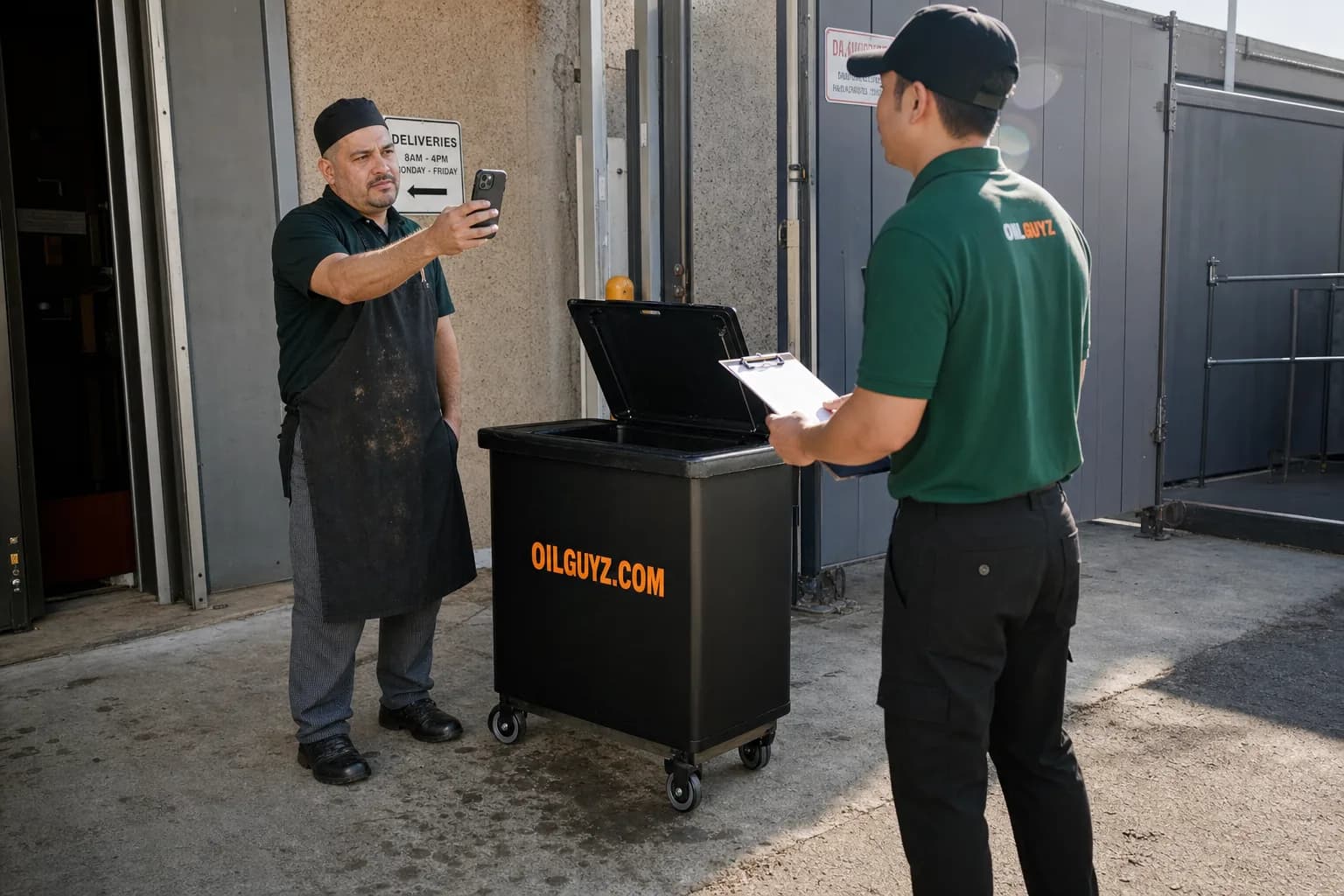
A cooking oil pickup scam relies on kitchen staff, not owners. Get the verification script, red flags, and response plan for a stranger at your container.
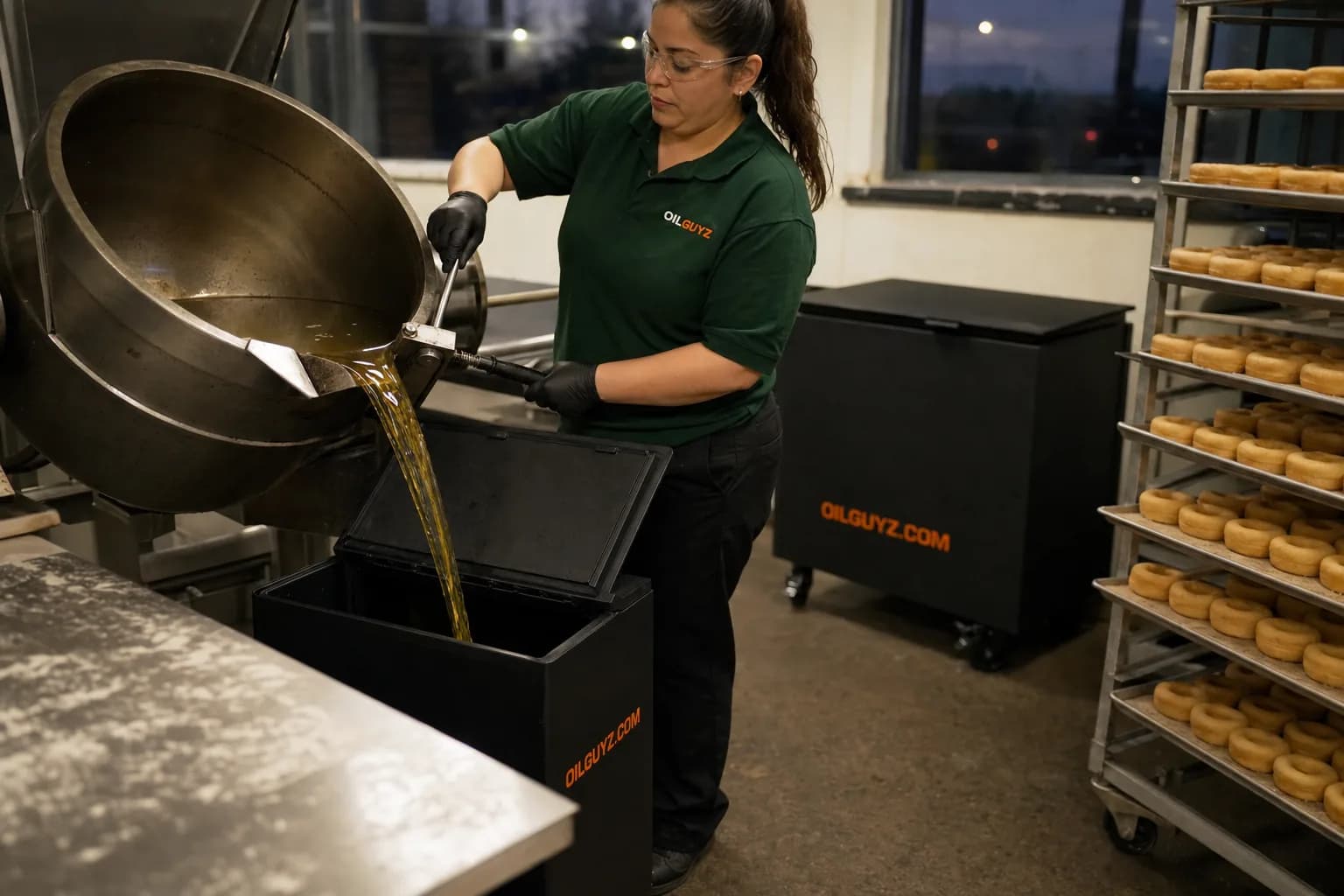
Donut shortening disposal is different from fryer oil. Palm-based fry fat goes solid near 105F. How to drain it safely, keep it clean, and get it picked up.
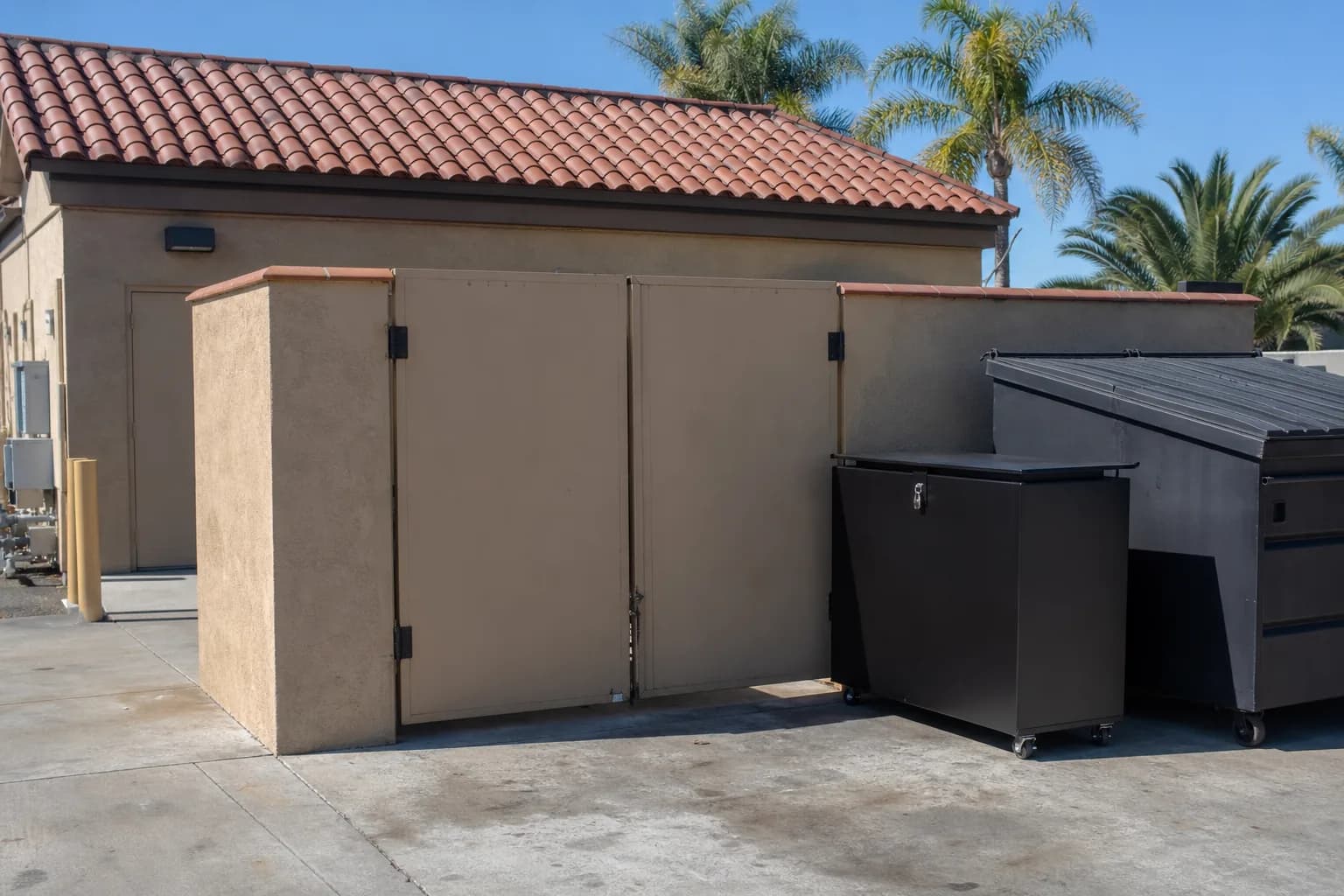
Free compliant pickup with a CDFA manifest every time, since county waste centers refuse business oil. What to check before any hauler touches your bin.
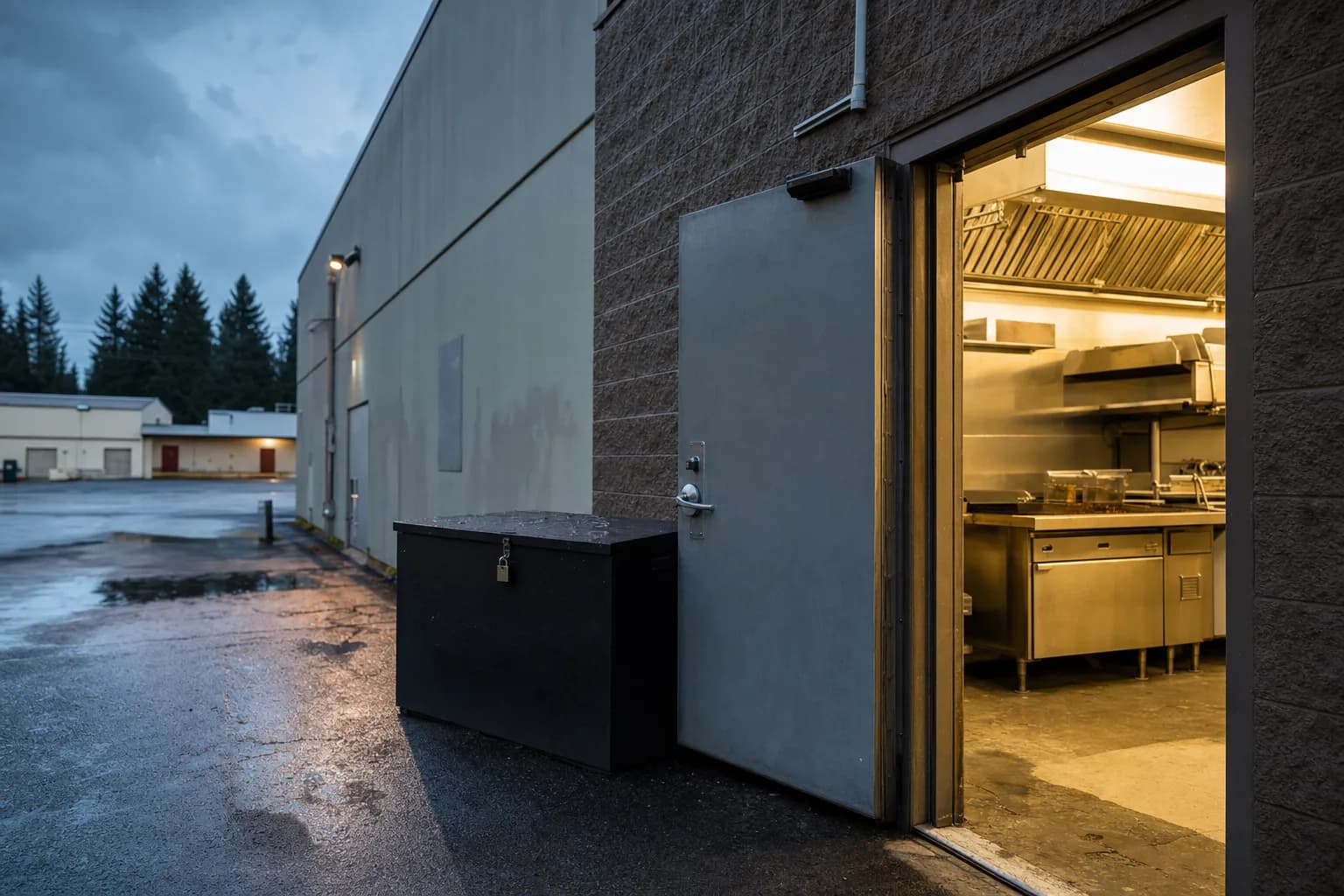
Used cooking oil pickup in South King County is free for Kent, Renton, Auburn, Federal Way, Tukwila, and SeaTac restaurants, plus the local FOG rules to meet.
Pierce County restaurant grease rules for Puyallup, Lakewood, University Place, Gig Harbor and Bonney Lake, plus free used cooking oil pickup that fits them.
Bay Area restaurant grease and FOG rules by county: EBMUD, Union Sanitary, San Jose ESD, and SVCW requirements, plus free used cooking oil pickup and records.
Used cooking oil pickup in Fremont is free for restaurants. Learn the Union Sanitary District FOG rules, the Peninsula grease codes, and how setup works.
Used cooking oil pickup in San Jose is free for restaurants, with a locked bin and a digital manifest after every pickup. How it fits San Jose FOG rules.
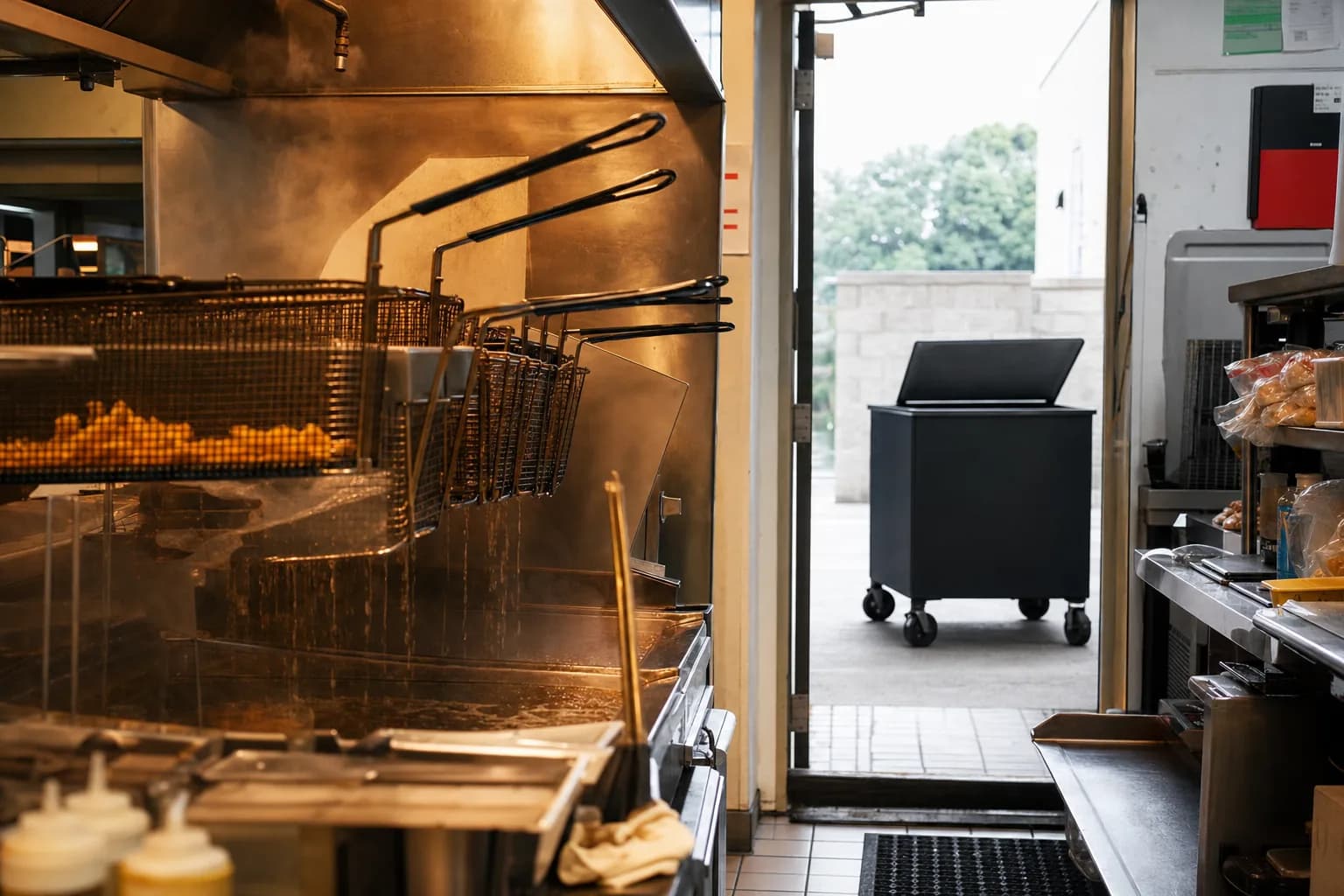
Used cooking oil recycling statistics from major fast food chains, sourced from SEC filings and sustainability reports. Wingstop alone recycled 22M lbs in 2024.
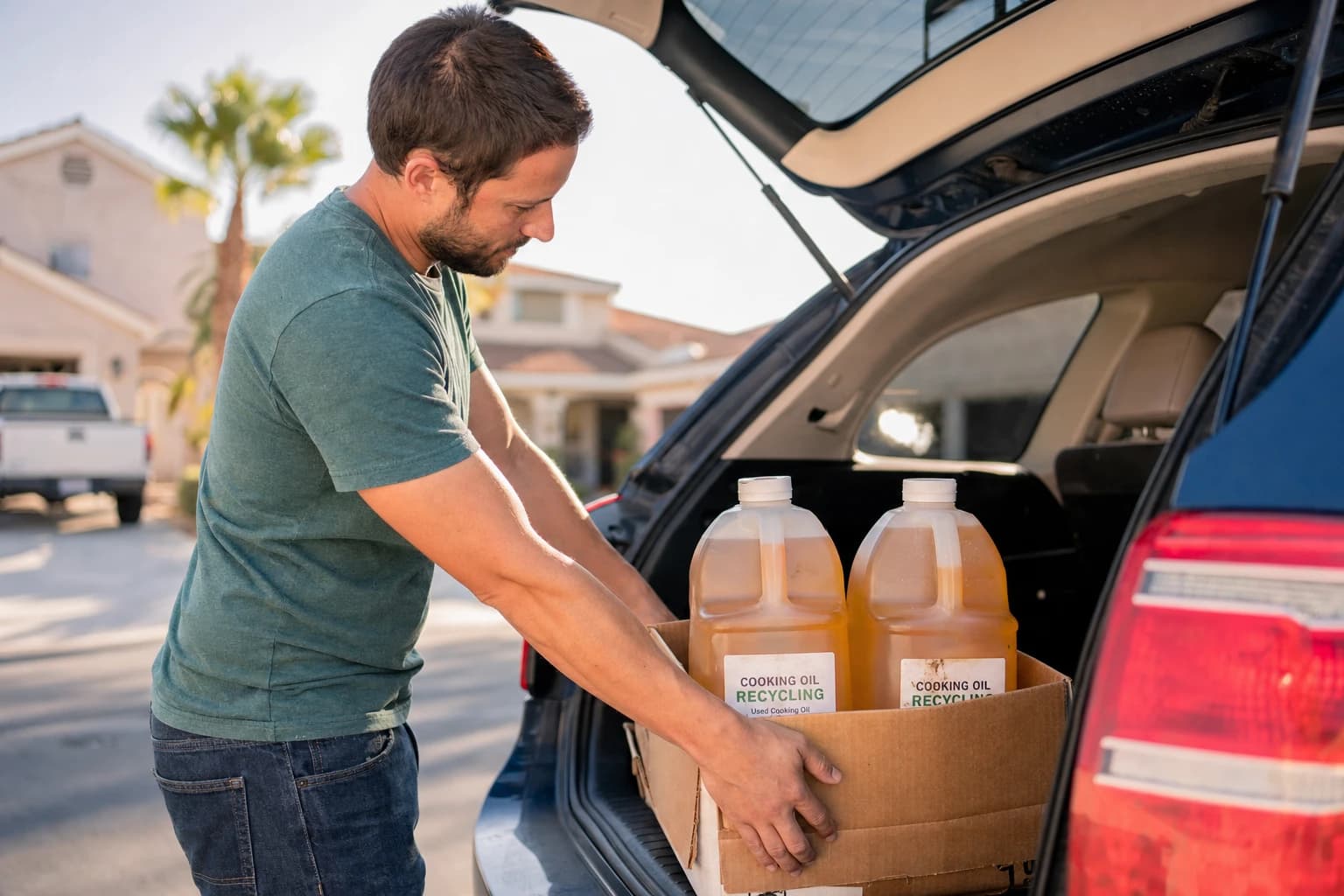
Free, verified drop-off sites for used cooking oil in Los Angeles and Orange County, which bin your city allows, and the holiday turkey oil drop-off.
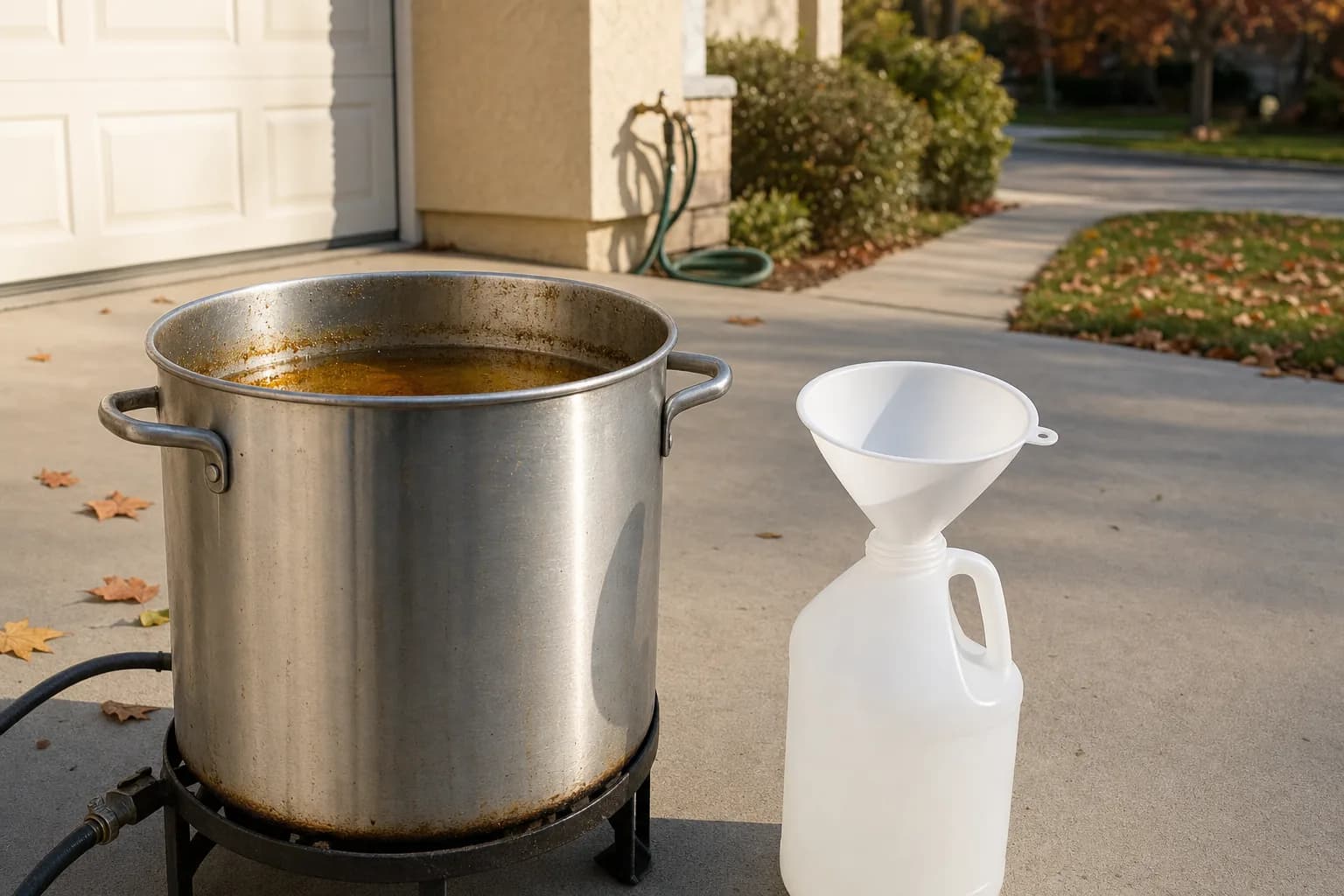
Never pour turkey grease or fryer oil down the drain. Drop it off free in Orange County or Los Angeles and skip the busiest plumbing day of the year.
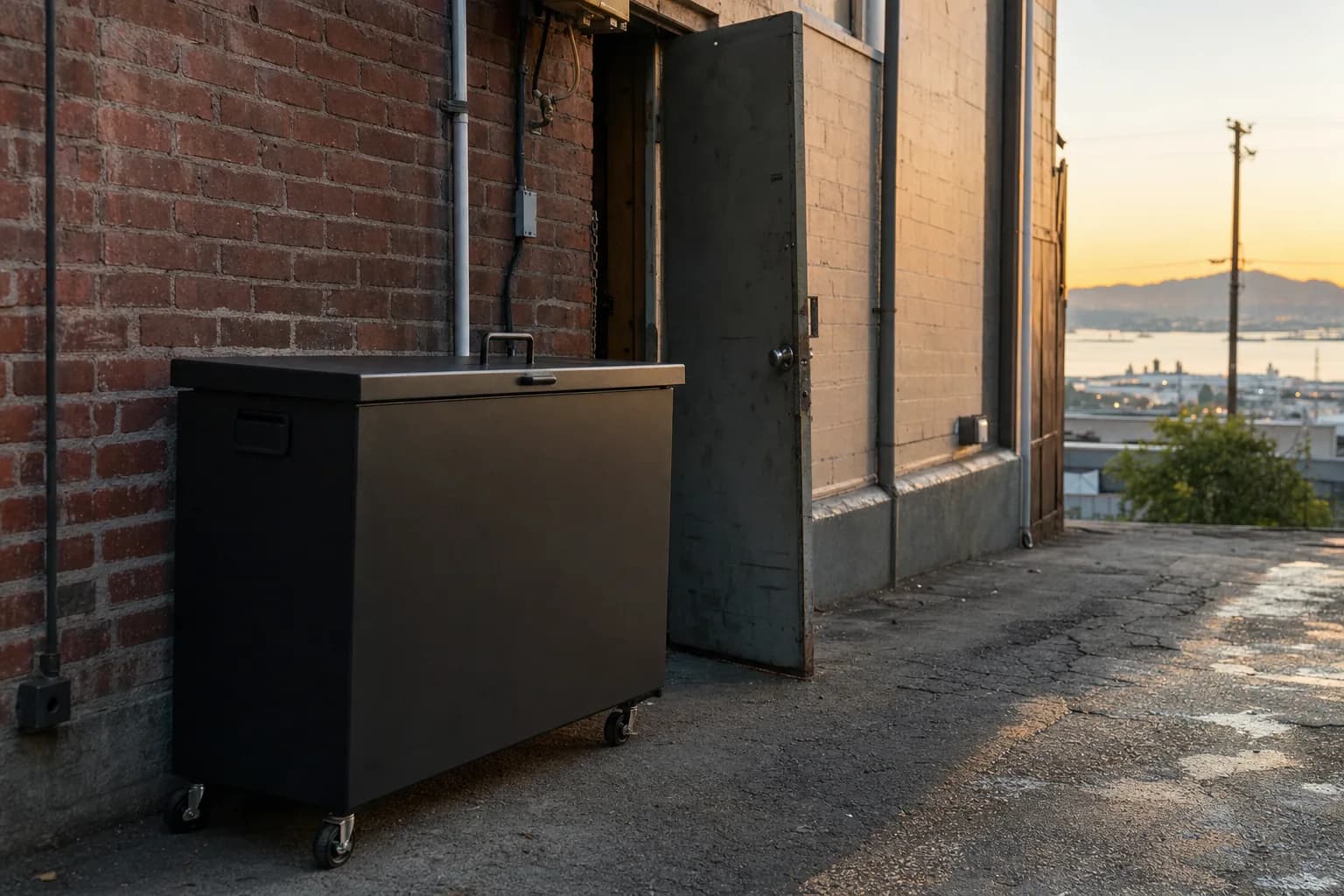
Oakland and East Bay used cooking oil pickup: free service for restaurants across Alameda County, plus the EBMUD, StopWaste, and CDFA rules you have to meet.
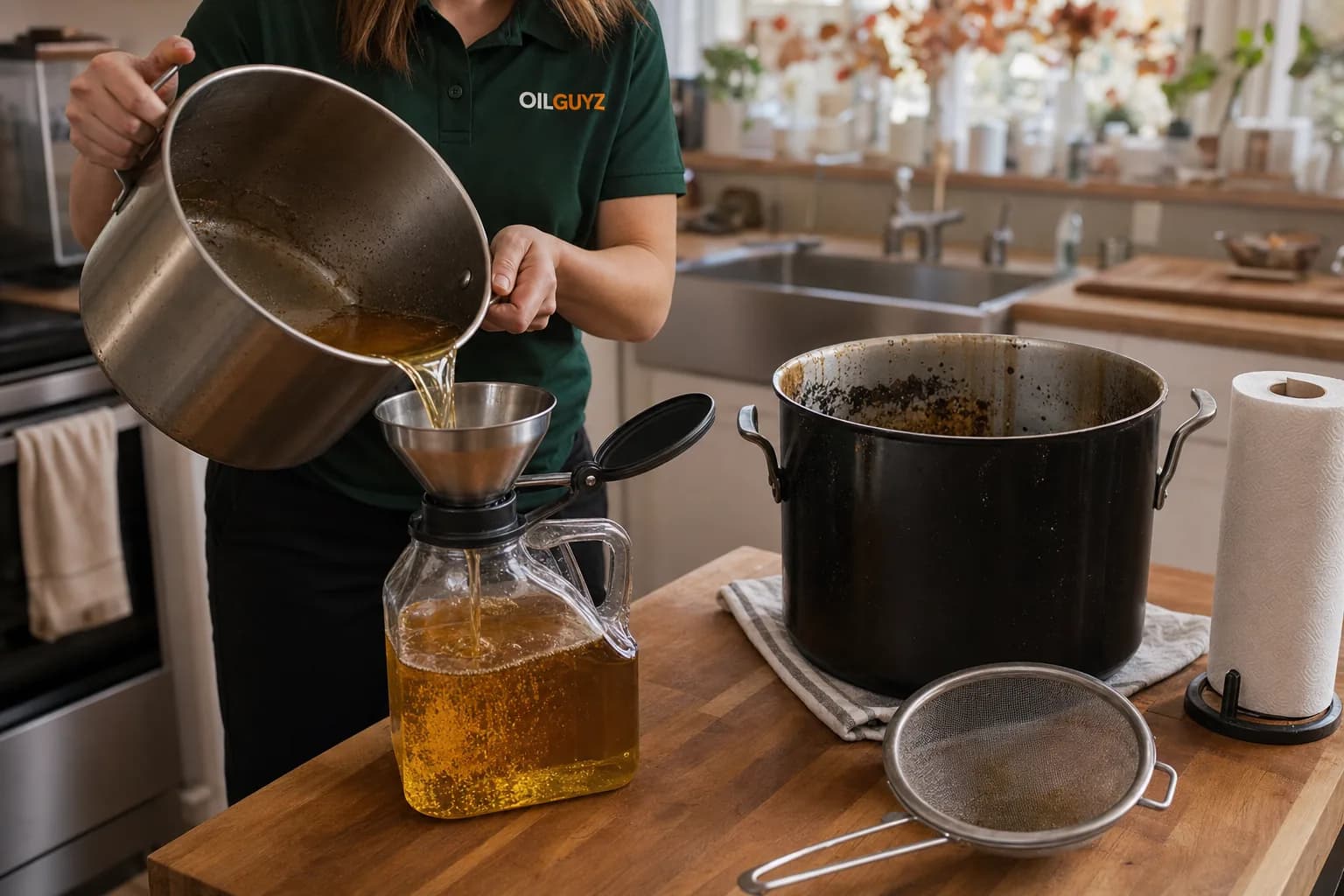
Free drop-off in Orange County and Los Angeles after Thanksgiving. What to do with oil after frying a turkey: cool it, seal it, never pour it down a drain.
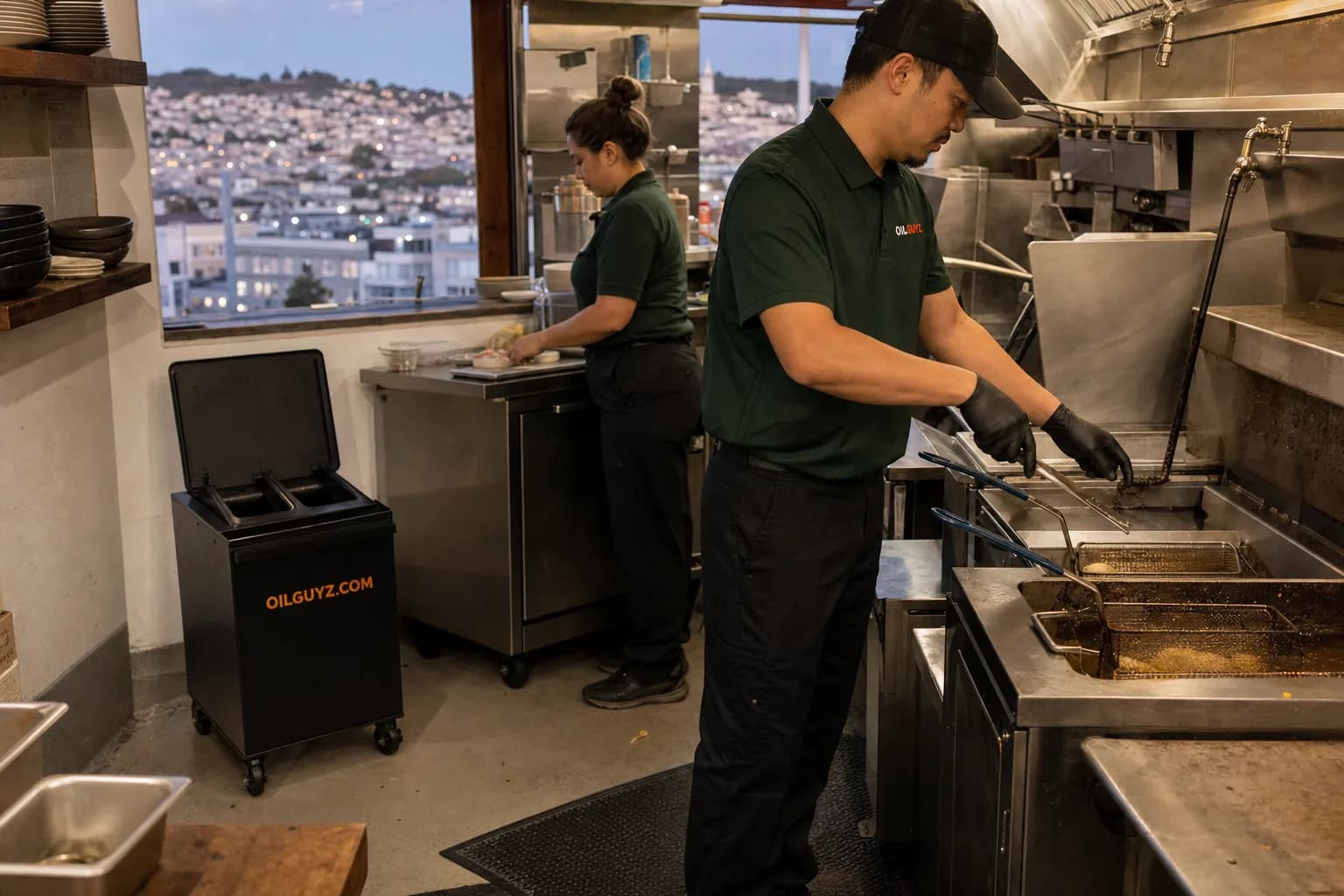
San Francisco FOG rules explained: SFPUC grease interceptor requirements, where restaurants recycle used cooking oil, recordkeeping, and free pickup.
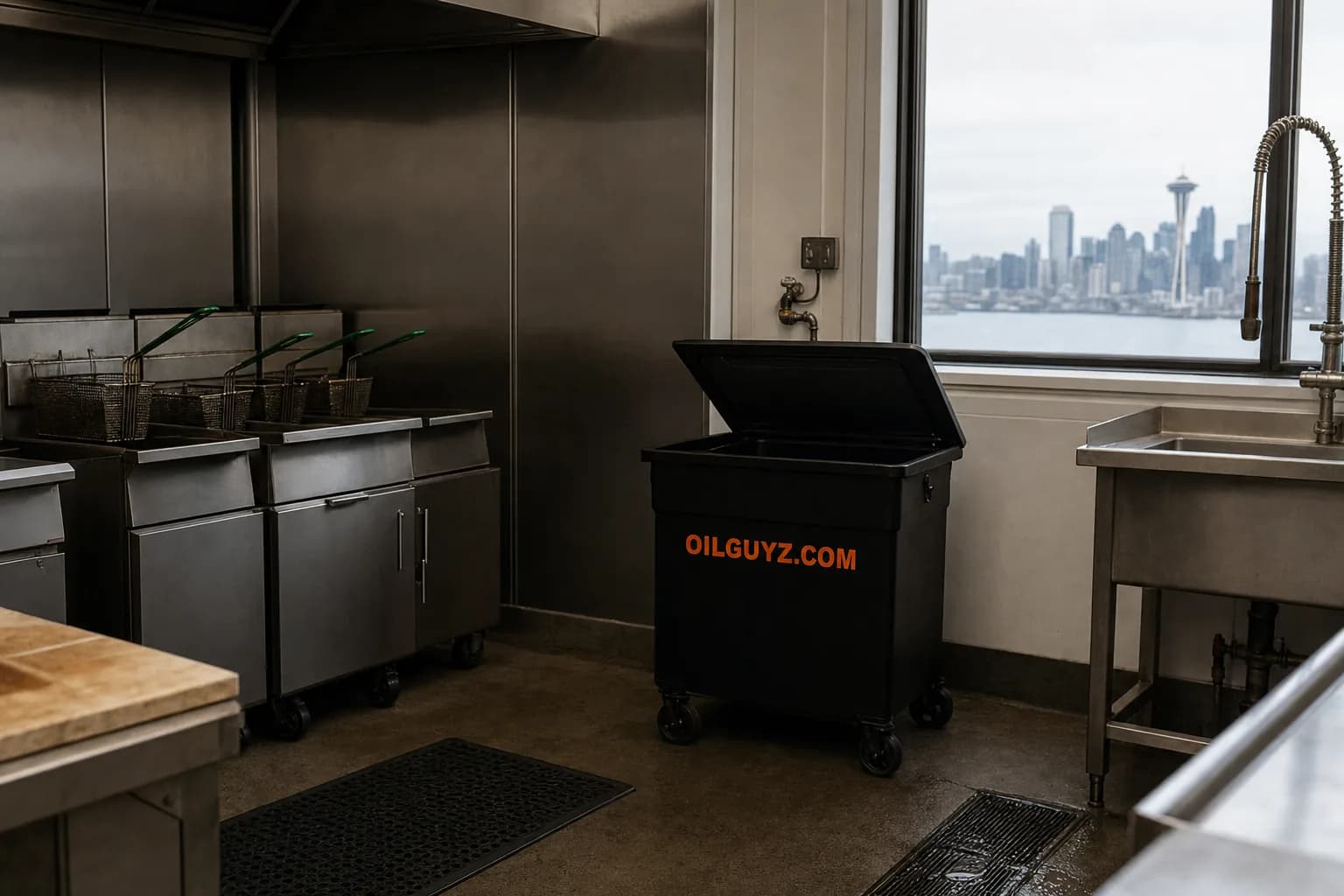
Seattle FOG rules explained: SPU's grease interceptor and 25% rules, the 100 ppm limit, who inspects, recordkeeping, and how used cooking oil pickup fits in.

Bay Area used cooking oil pickup: the complete free-service guide for restaurants. FOG rules, CDFA registration, theft, costs, and how to choose a hauler.
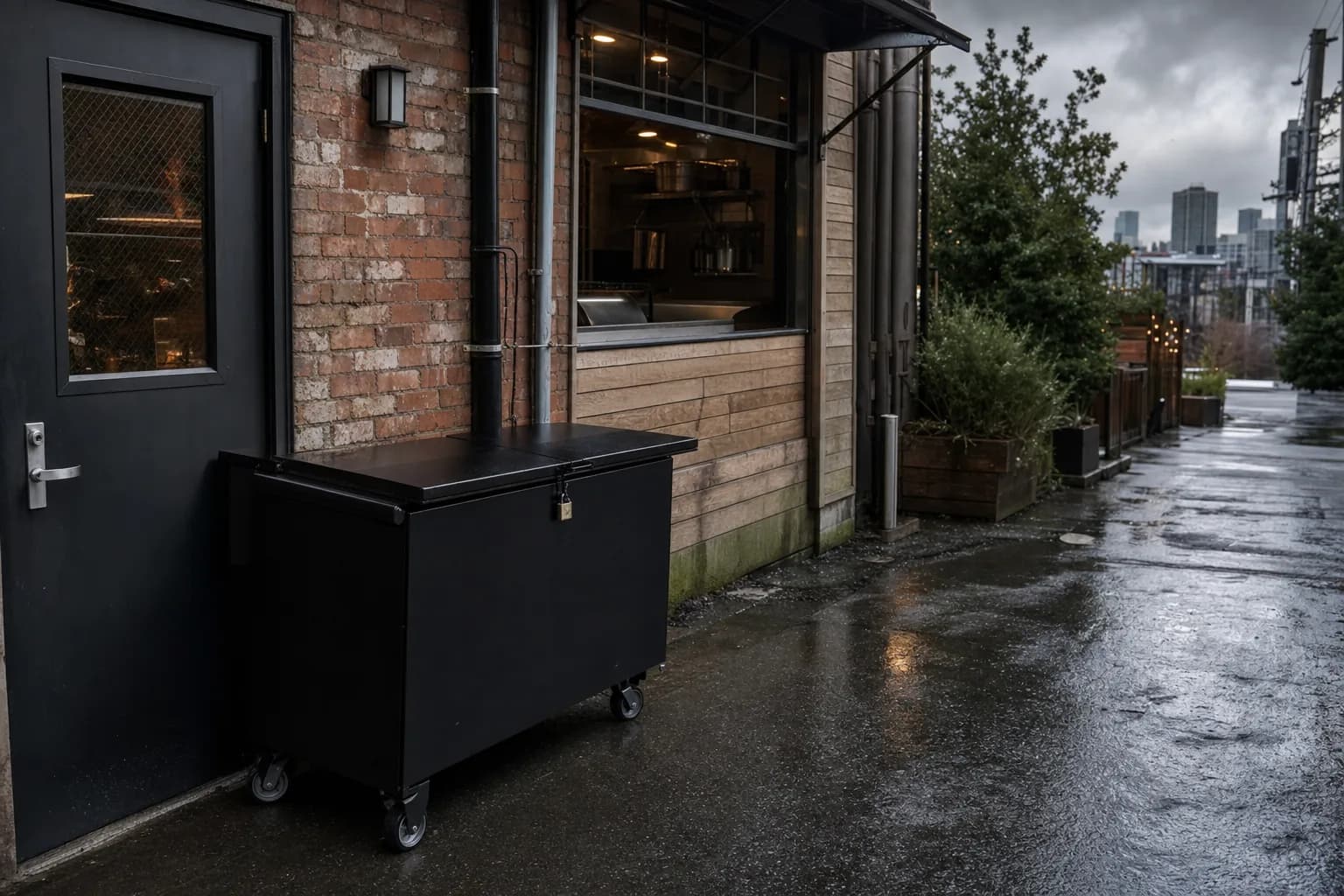
Seattle used cooking oil pickup: free service across King County, how it works, SPU FOG rules, recycling into renewable fuel, theft, costs, and choosing a hauler.
Oil Guyz provides free used cooking oil pickup for Tacoma and Pierce County restaurants, (253) 322-7880, plus the Tacoma FOG rules kitchens must follow.

Comparing cooking oil collection contracts for multi-location restaurant groups: Oil Guyz vs RTI, Mahoney, DAR PRO and more, with every competitor fact sourced.
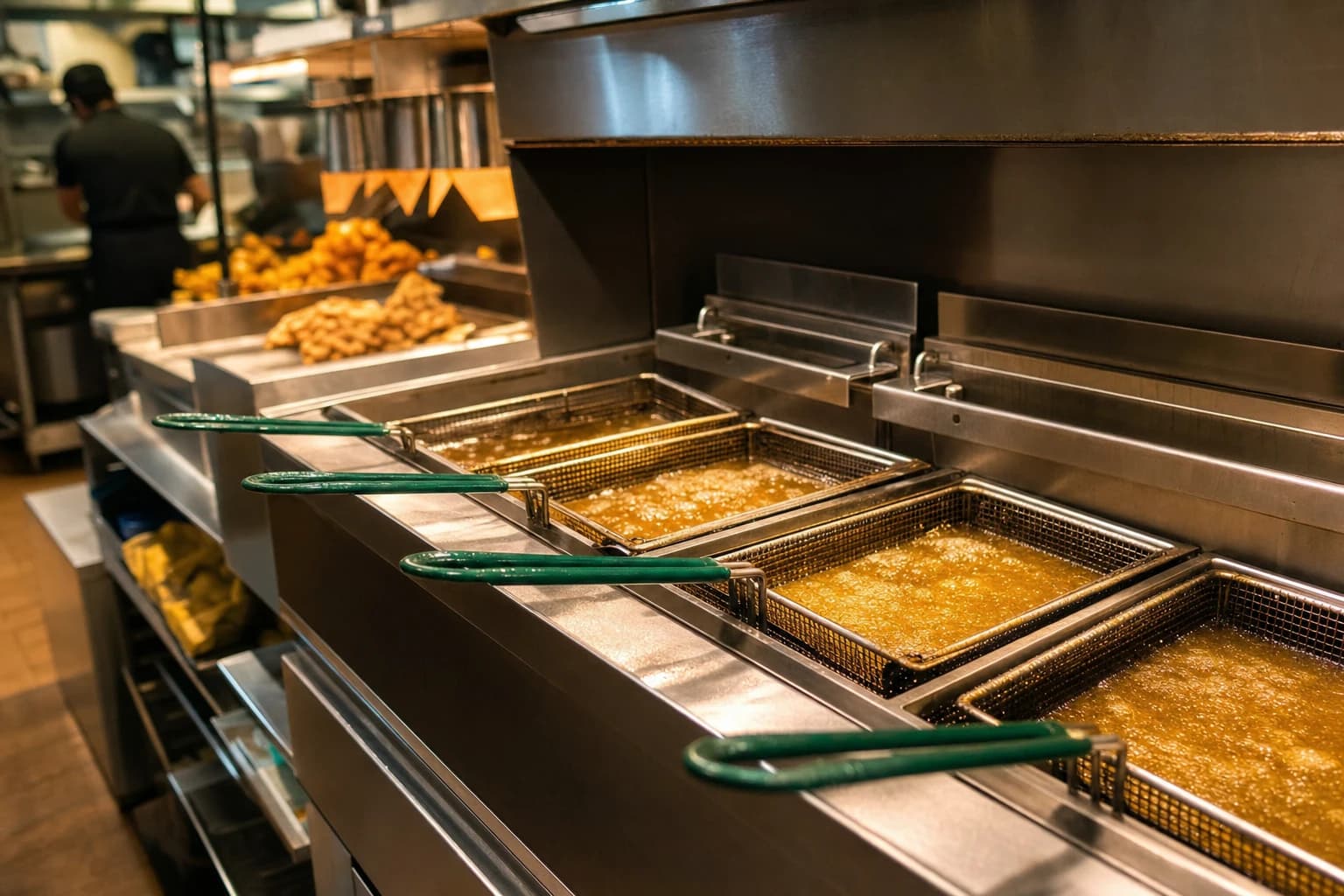
How much used cooking oil does a fast food restaurant produce? About 35 lb of used cooking oil a day, roughly 12,775 lb a year per location. See what drives the volume, how to size your container and pickup schedule, and where the oil goes.
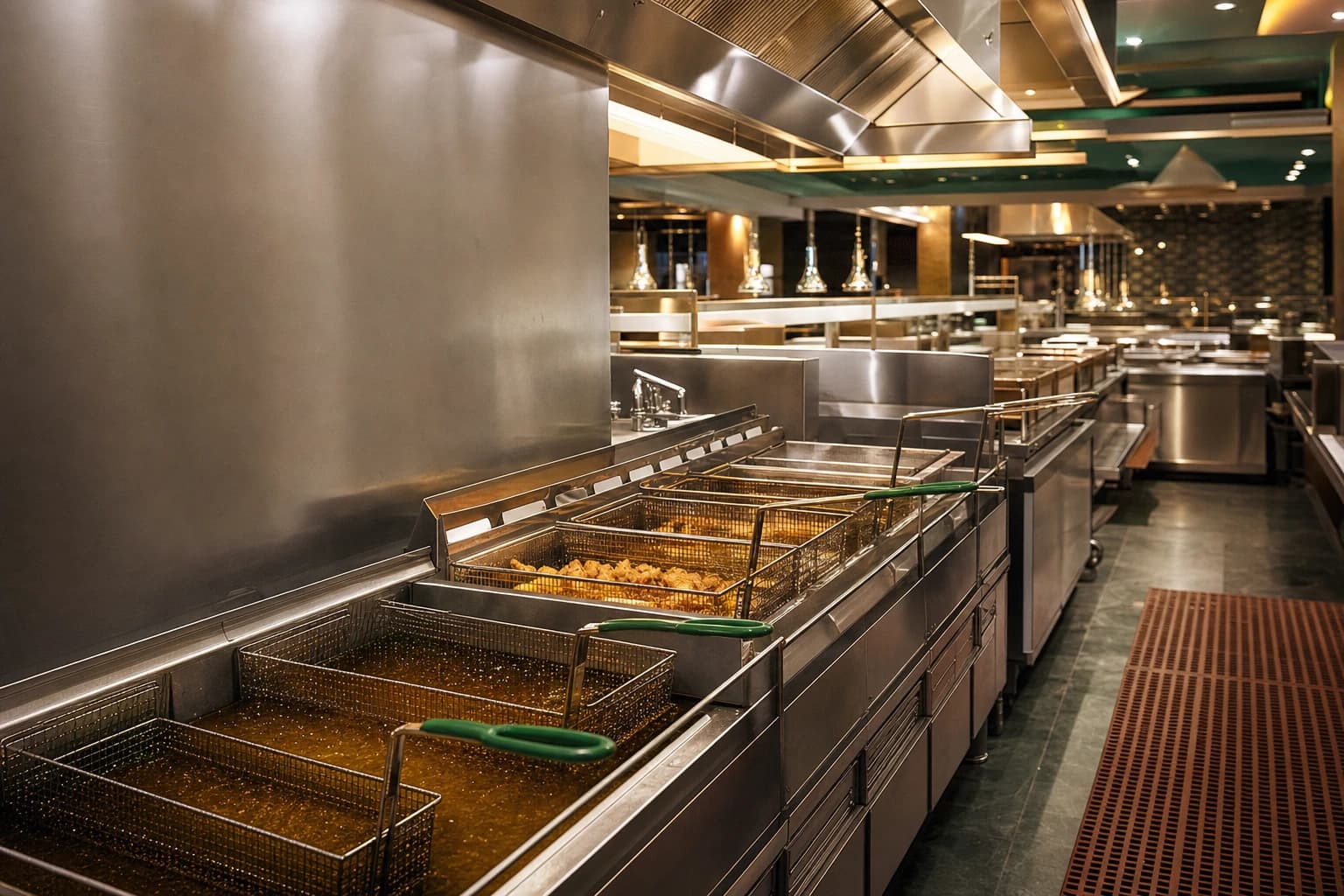
Casino used cooking oil pickup and recycling, explained: how casinos and country clubs handle high-volume buffet and banquet frying across multiple outlets on one account, with a CDFA digital manifest after every pickup, one dashboard, and free locked anti-theft containers.
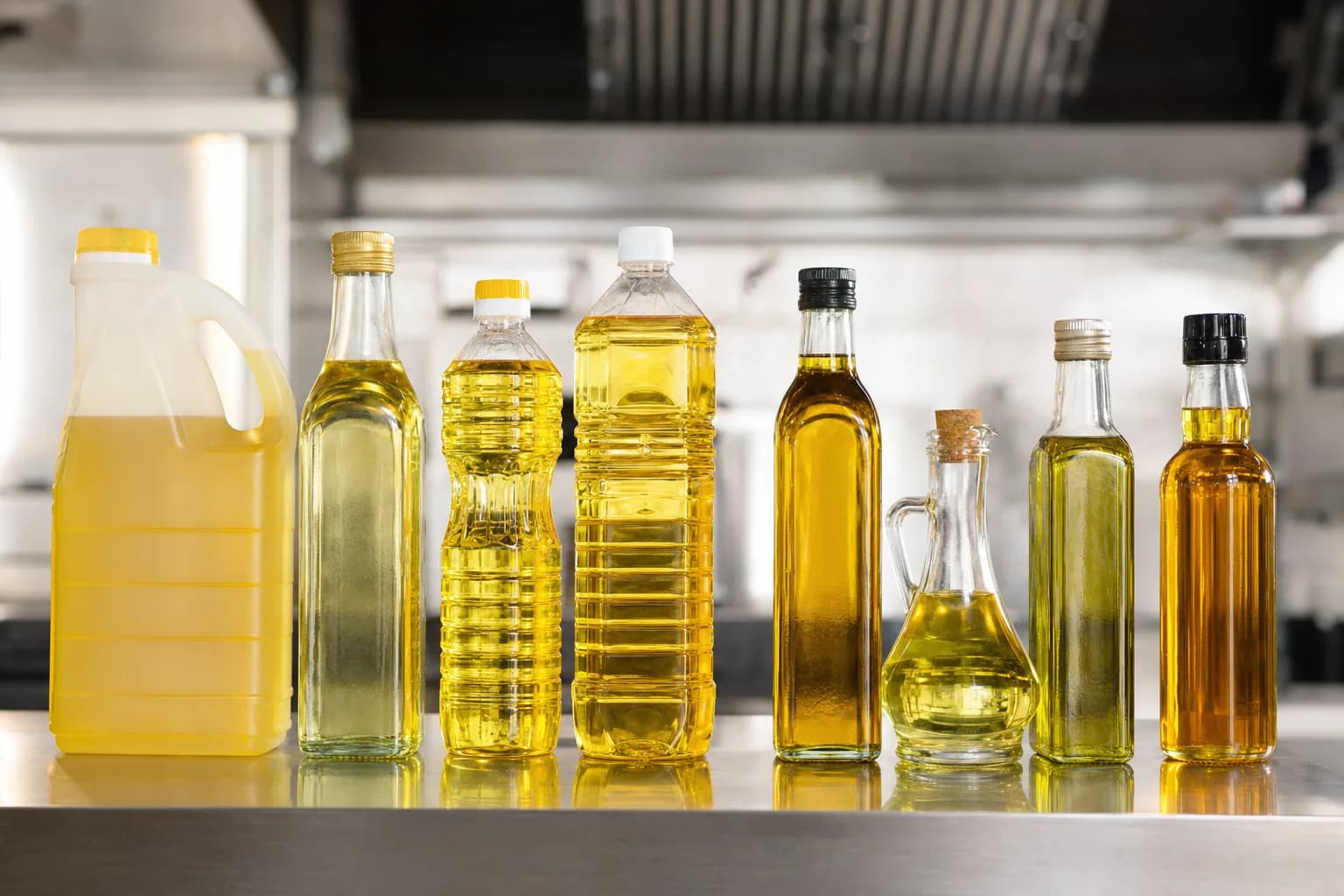
The types of cooking oil that can be recycled, vegetable, canola, soybean, peanut, fryer oil, and clean animal fats, plus what gets rejected and why.
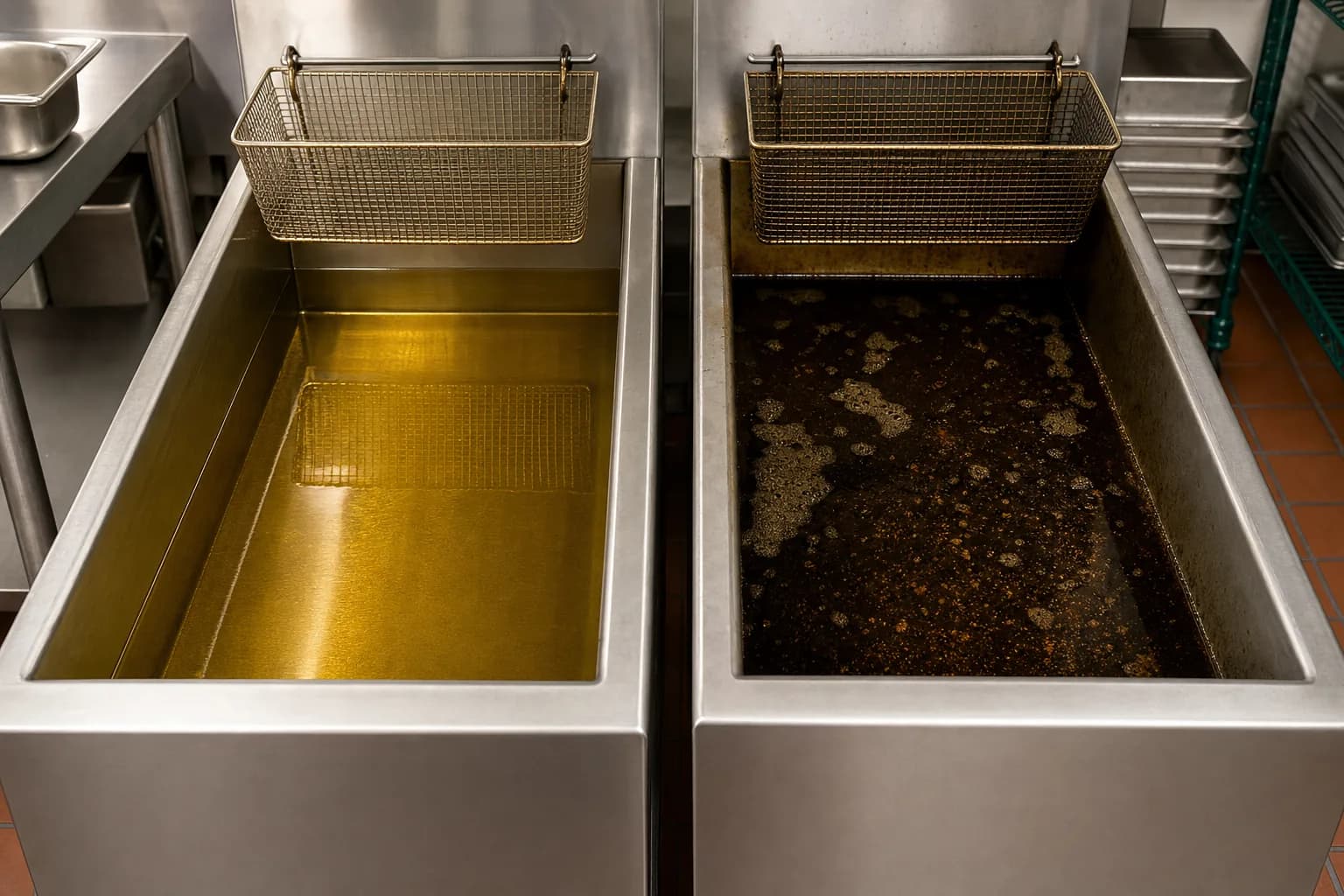
How often should a fried chicken restaurant change its fryer oil? Busy kitchens run a 1-3 day cycle; the highest-volume fryers change daily. Here's how to judge it.
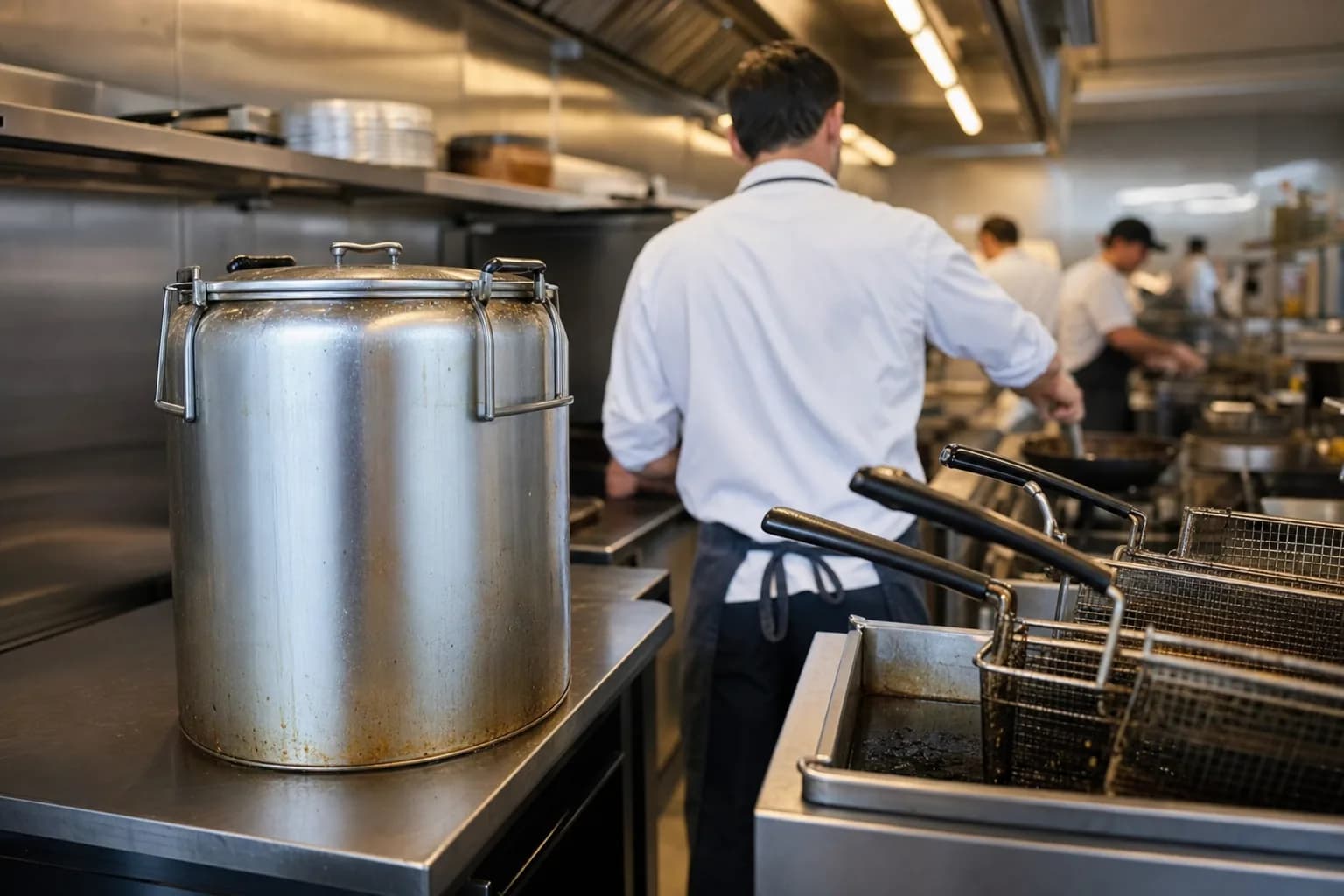
Free scheduled pickup with a manifest is the answer for most kitchens. Store it locked until then, and why the drain and the dumpster both cost you.
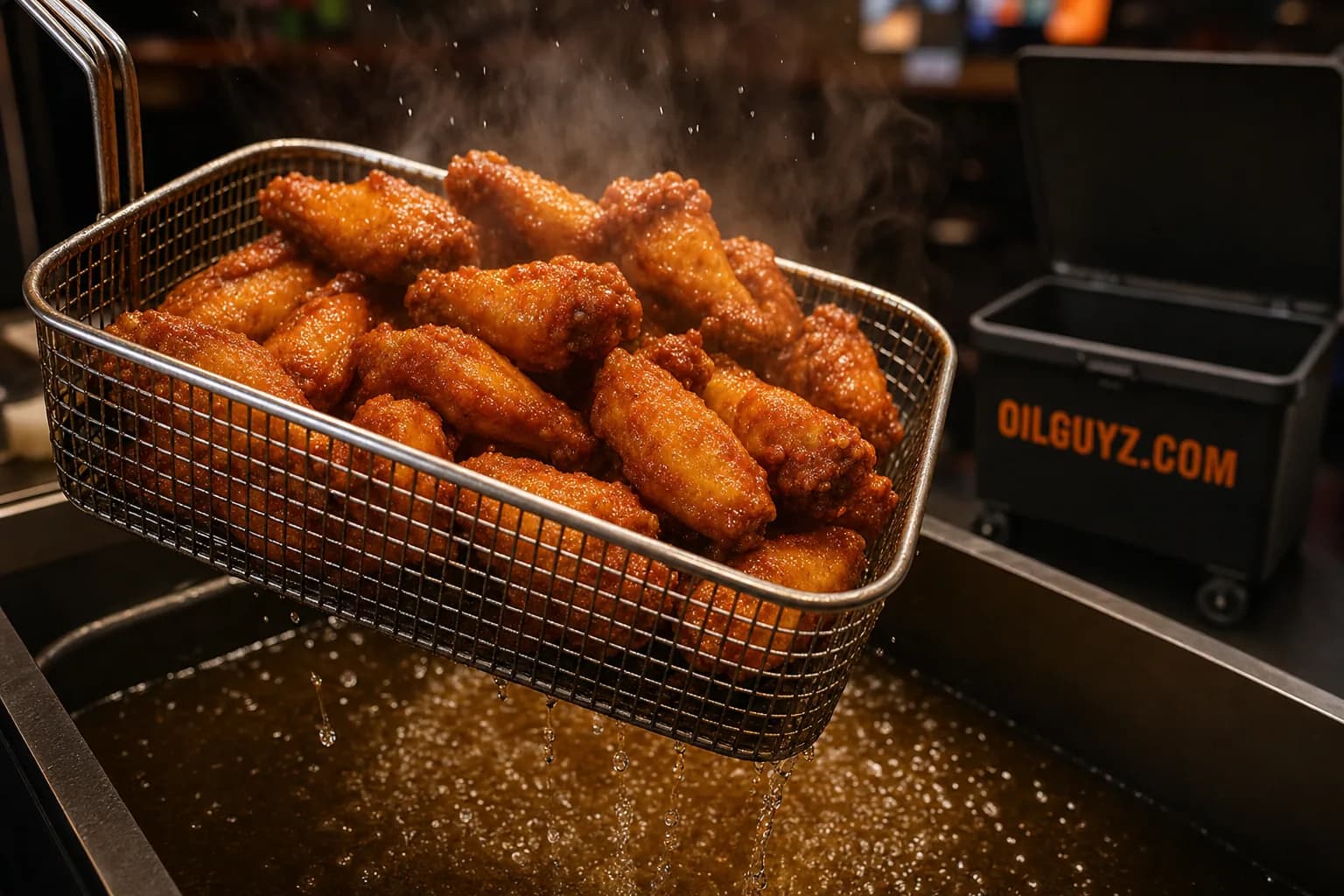
Chicken wing restaurant cooking oil disposal made simple: handle game-day surges, stay CDFA-compliant, and get free pickup with a digital manifest every time.
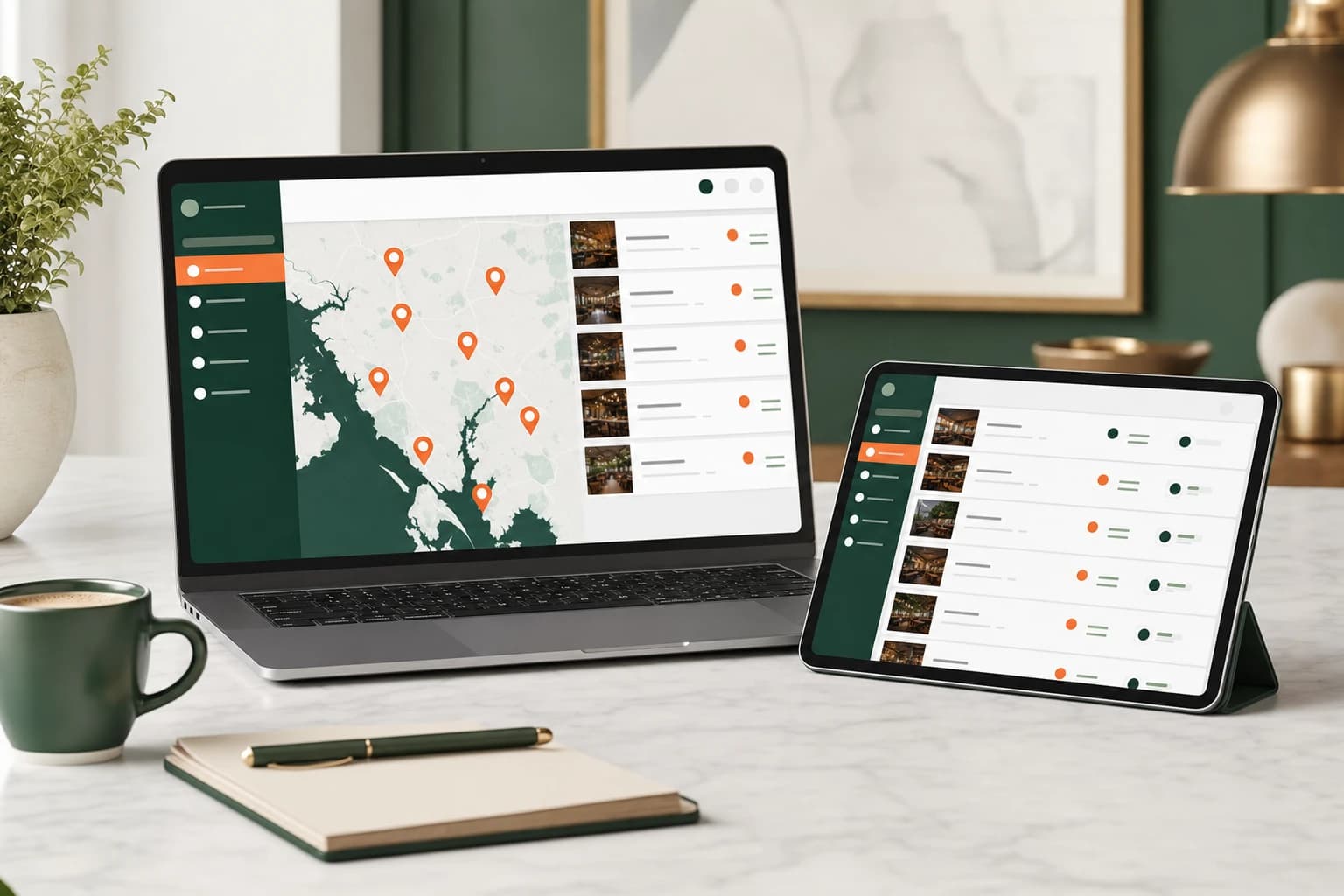
How restaurant chains manage used cooking oil pickup across locations: the operational playbook for one account, standardized locked containers, scheduled pickups, one dashboard, and a CDFA digital manifest per site.
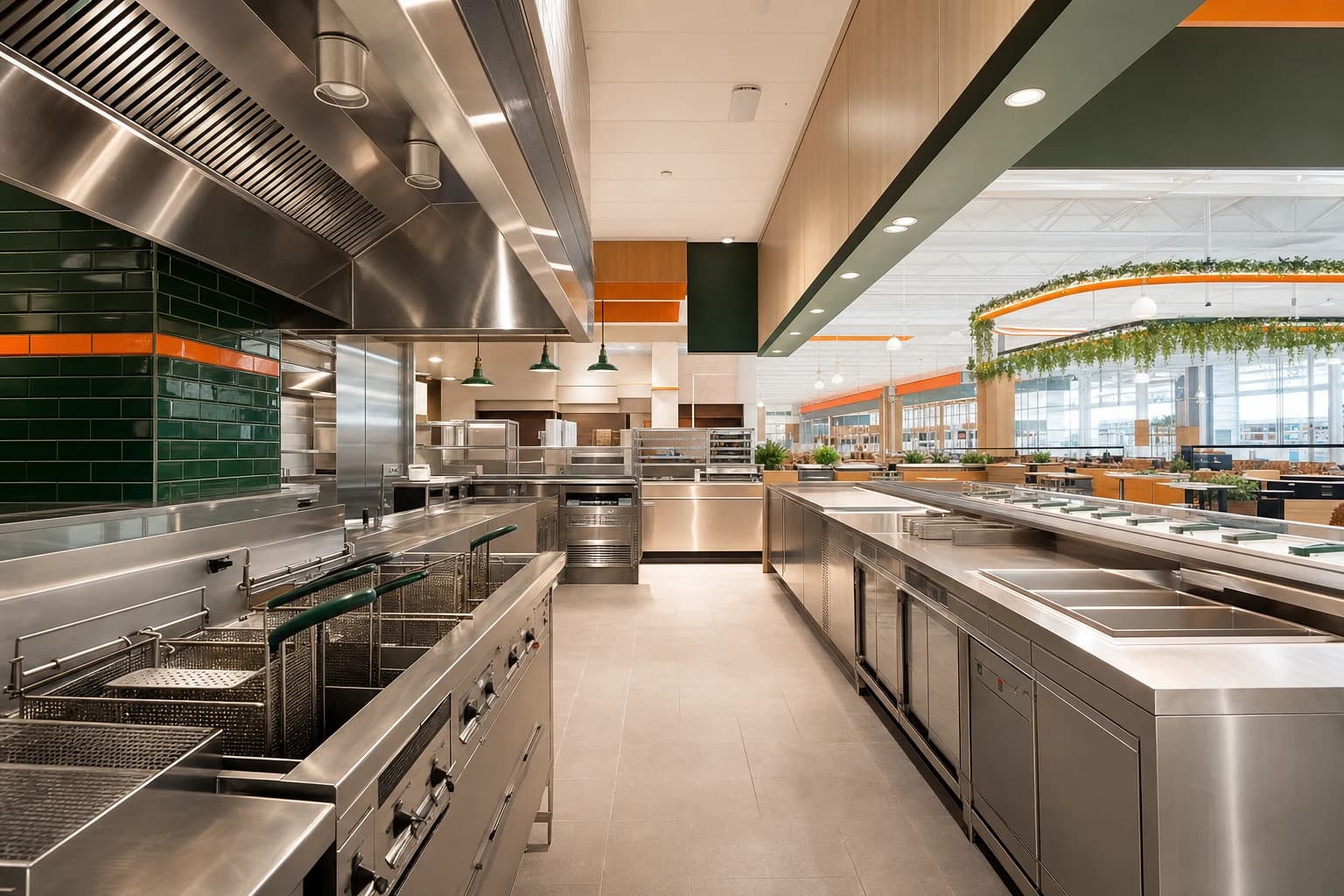
Airport used cooking oil pickup for terminal concessions and airline catering kitchens, how secured, badged, scheduled service works, how multi-operator accounts roll up to one dashboard, and how every collection produces a CDFA-compliant digital manifest with chain of custody to a licensed renderer.
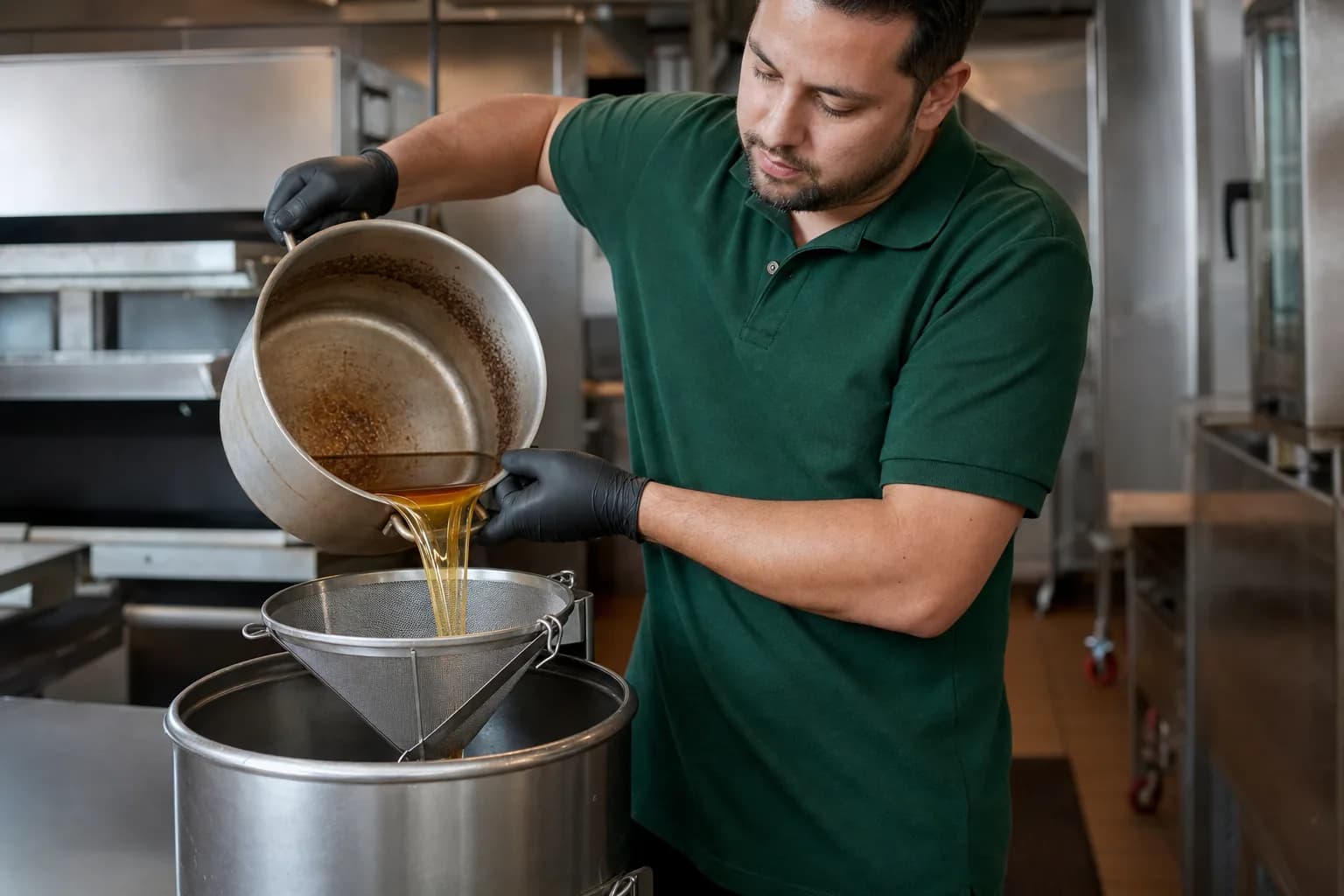
Learn how to prepare used cooking oil for pickup in 6 simple steps: cool it, strain debris, keep water out, use the locked container, and schedule a route.
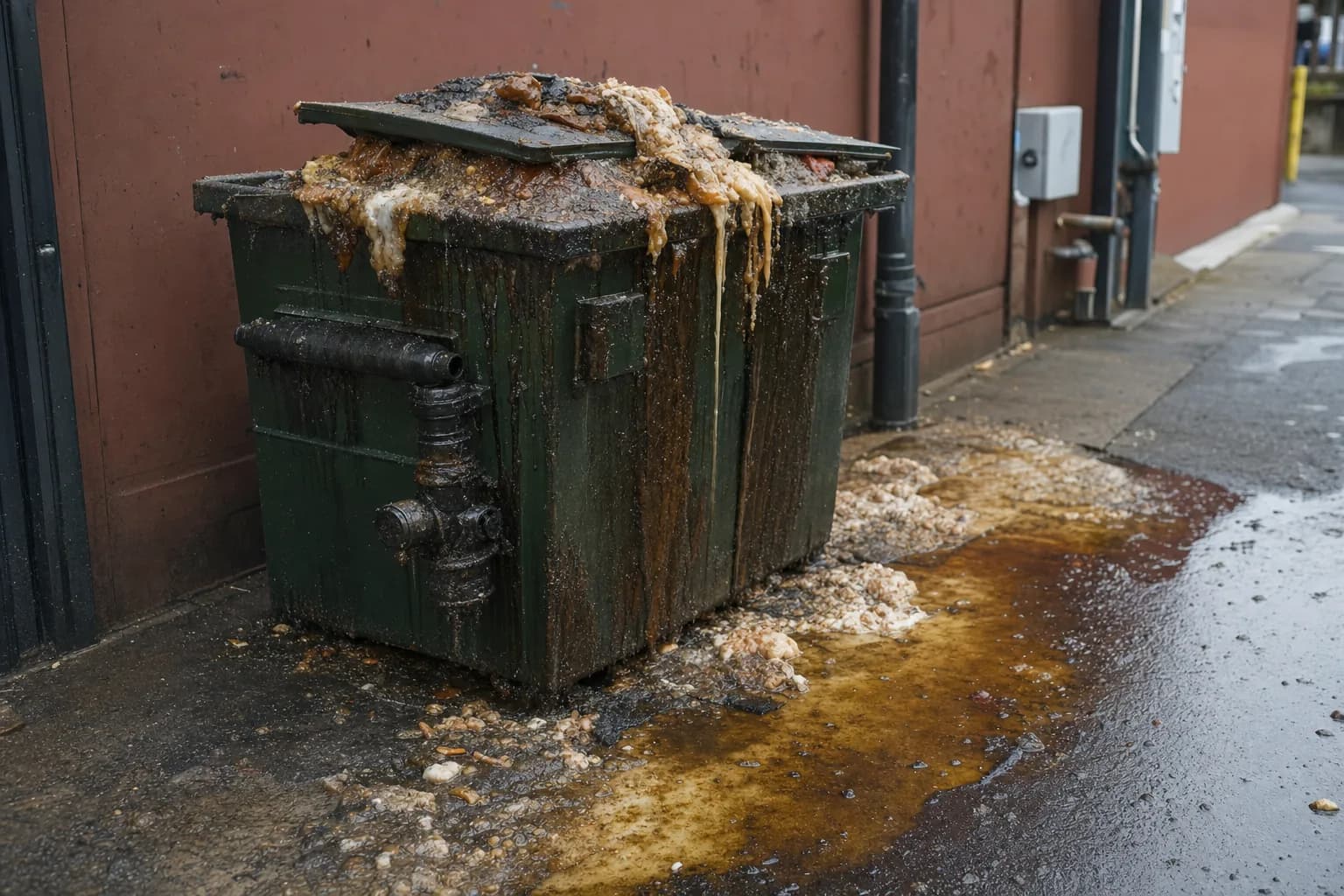
Grease hauler stopped showing up? Here's the exact playbook: document missed pickups, request your manifests, check your contract, and switch with zero service gap.
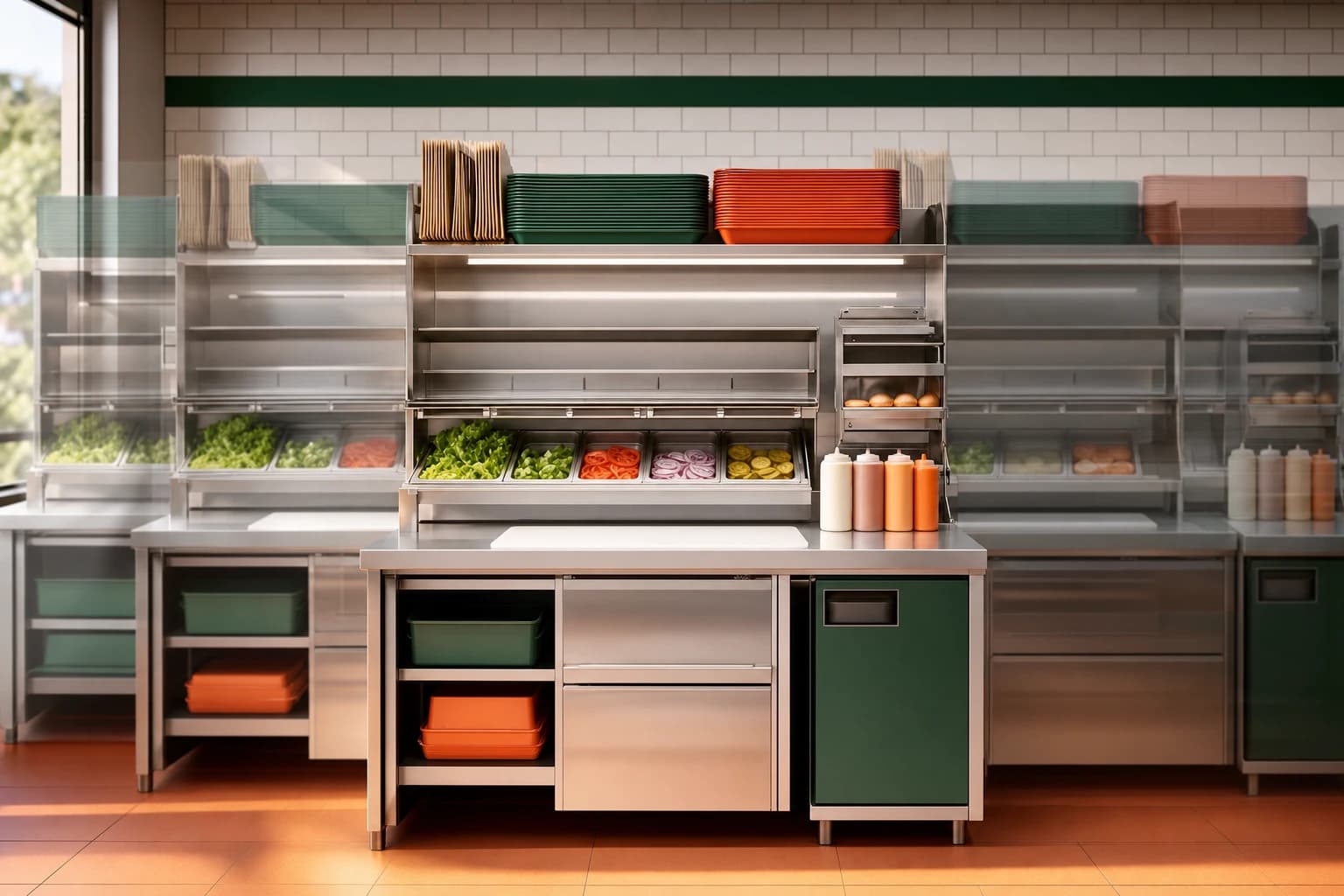
How franchise owners standardize used cooking oil pickup across every unit: a 2026 playbook for building one corporate program franchisees opt into, consistent CDFA digital manifests, one dashboard for every location, and month-to-month terms that respect franchisee independence.
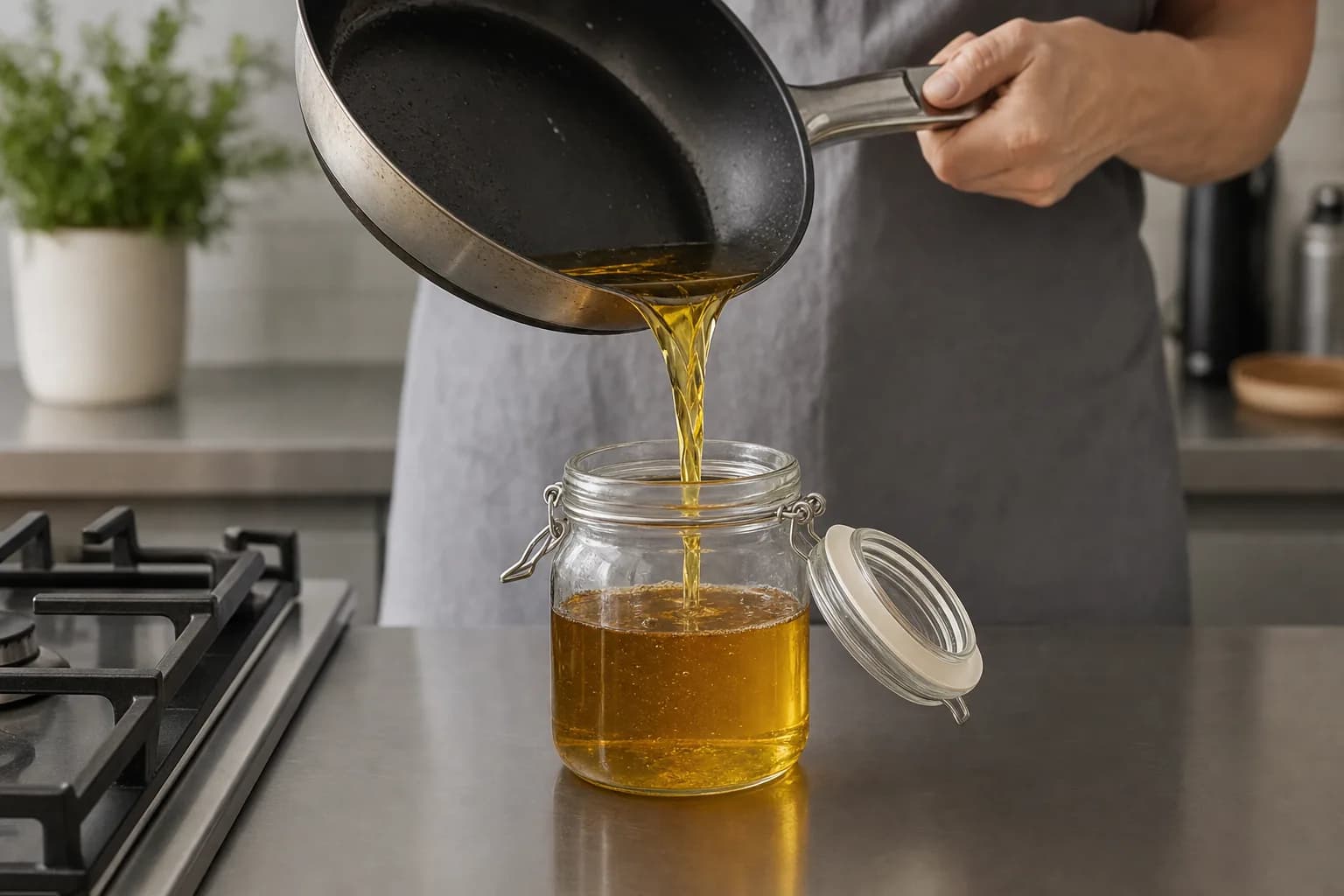
Restaurants get free pickup with a manifest; at home, cool it, seal it, drop it off. Never the drain and never the trash, and how to recycle it instead.

Yes, you can recycle home fryer oil, but not curbside. Learn how to cool, bottle, and drop off used cooking oil at an HHW or collection site, and never down the drain.
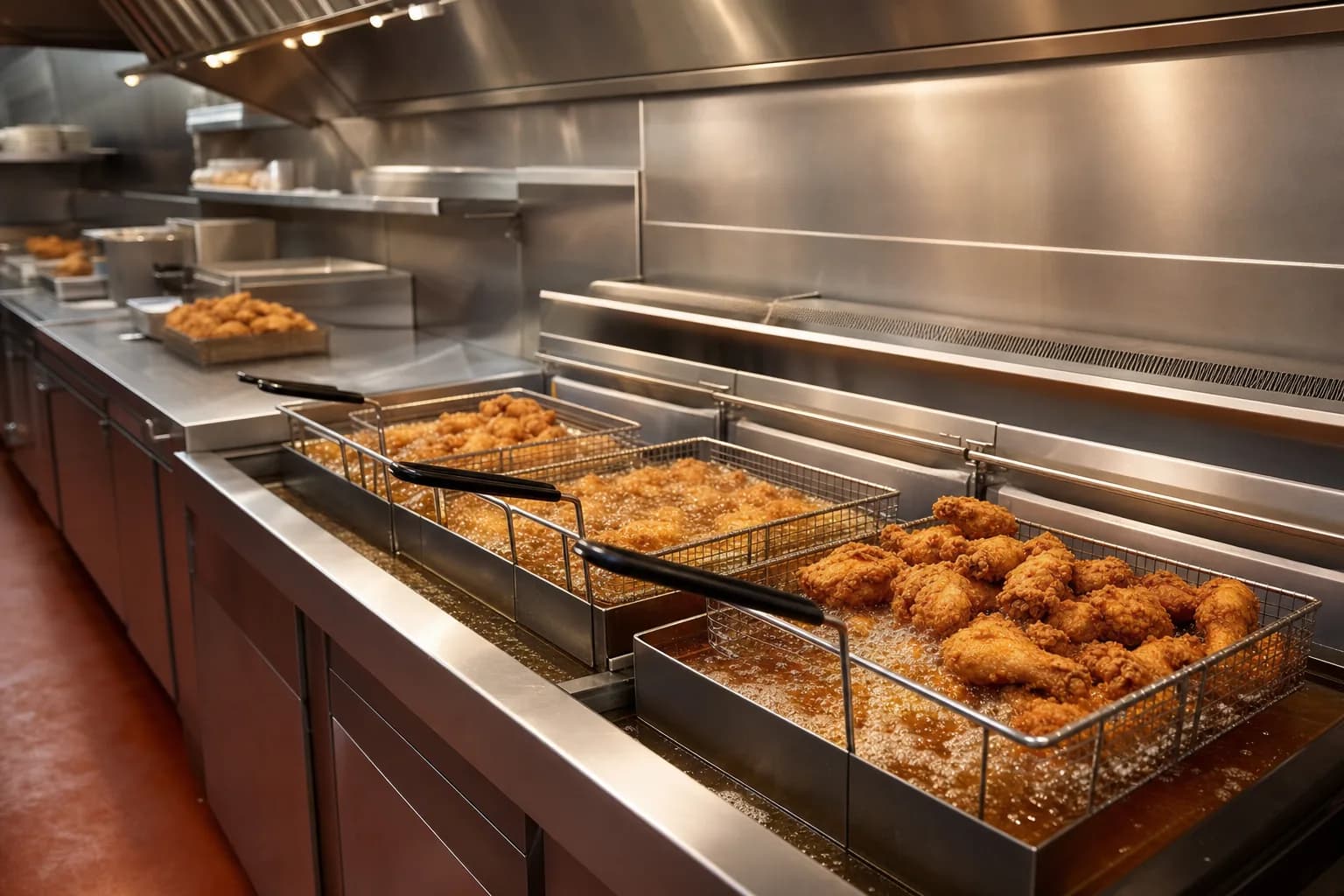
Fried chicken restaurant used cooking oil degrades faster and runs higher volume than any other kitchen. Here's the disposal cadence, compliance, and free-pickup setup.
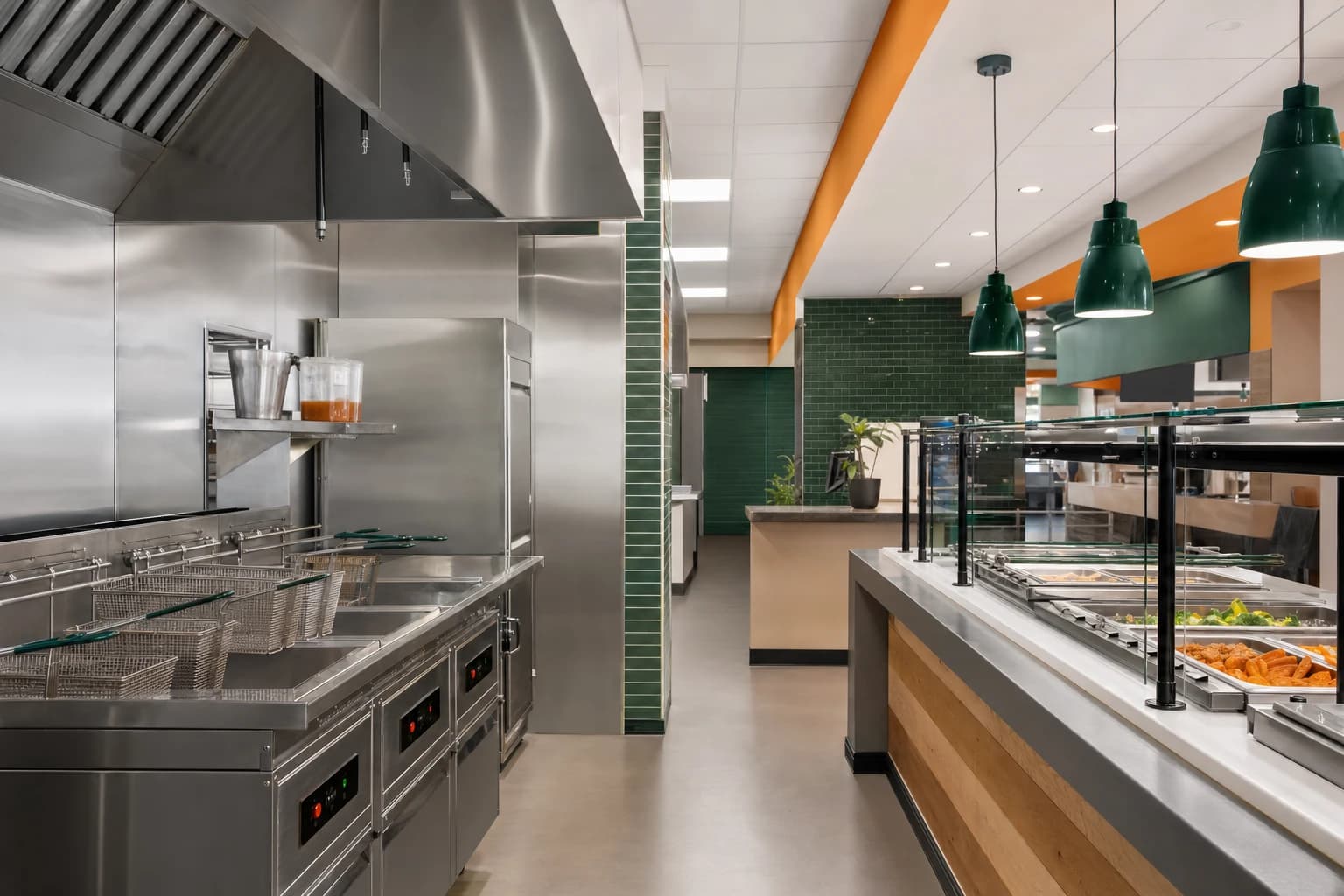
University cooking oil pickup and recycling explained: how campus dining halls, retail outlets, and multi-site school districts schedule used cooking oil pickup, keep a CDFA digital manifest per location, and turn fryer oil into biodiesel and renewable-diesel feedstock.
Commercial oil management vendors and compliance software, compared with honest reviews and reasons to pick one, both, or neither.
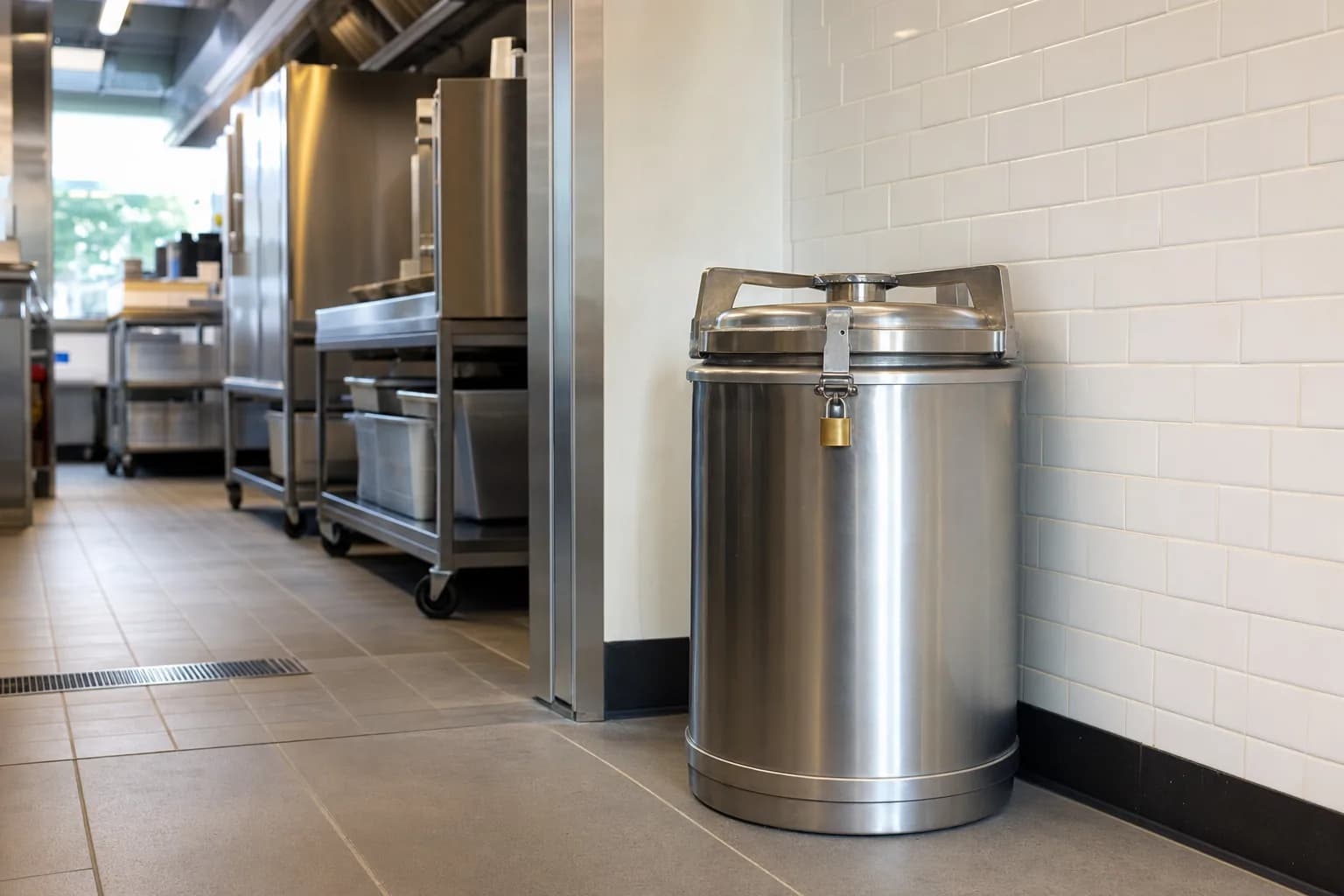
Weekly, biweekly, or monthly, matched to your gallons per week. See the volume table, the bin vs. trap split, and Southern California's seasonal peaks.
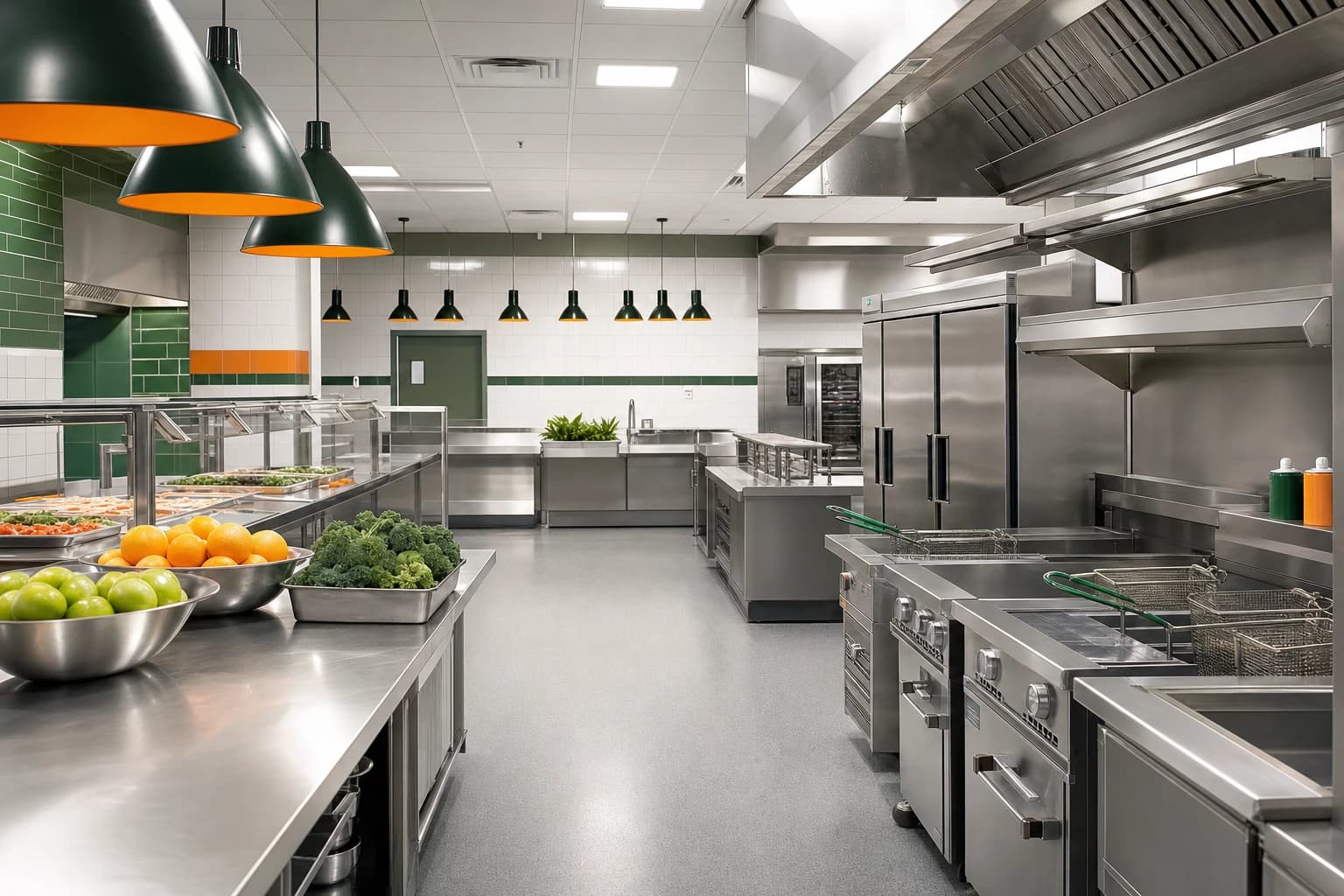
Hospital used cooking oil pickup for healthcare facilities: how dietary kitchens and cafeterias across a system get scheduled collection, a locked anti-theft container, CDFA digital manifests, and one dashboard for every site.

Los Angeles used cooking oil pickup: how to choose the best company restaurants can trust, CDFA-registered, free, no-contract, secure, with digital manifests after every pickup.
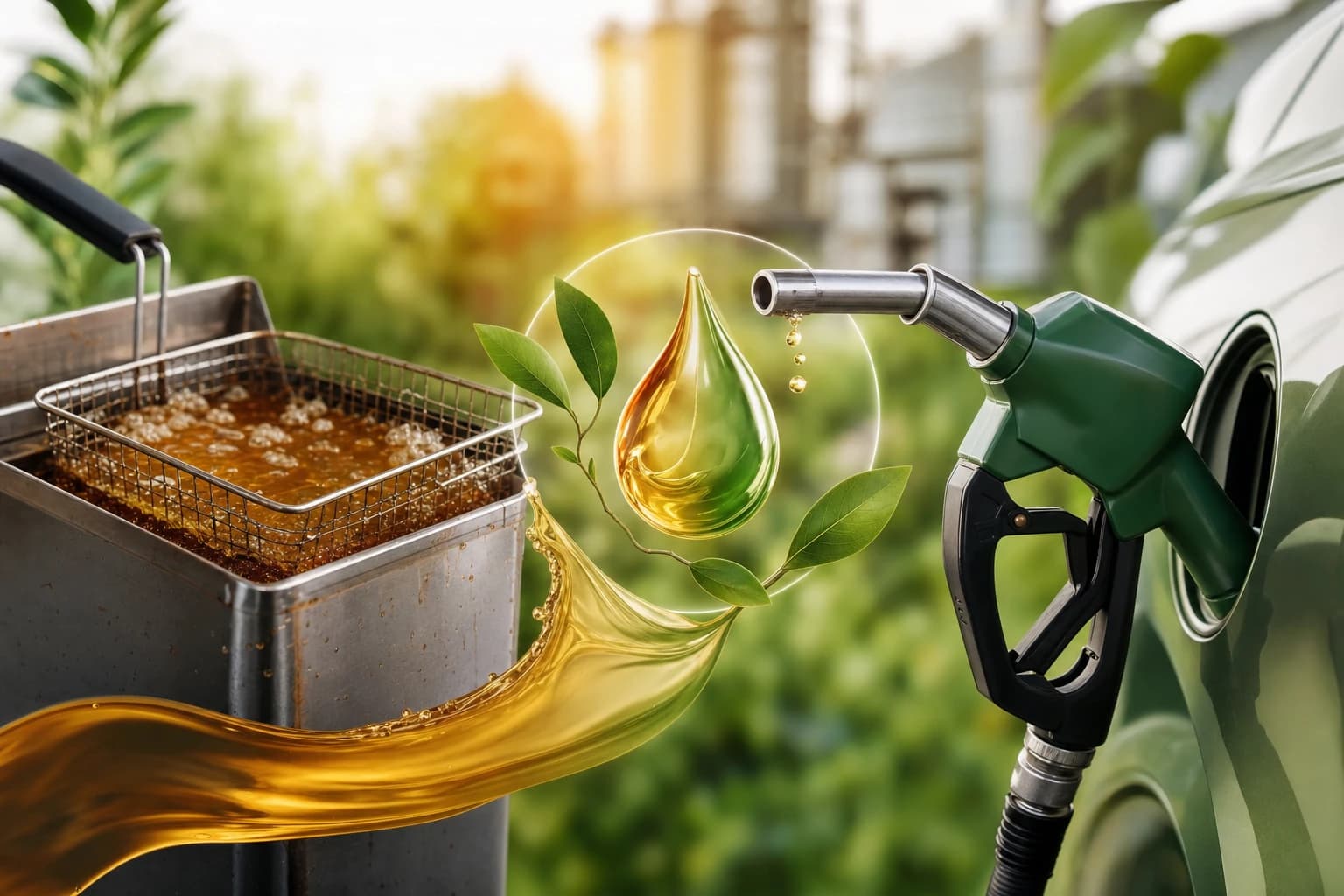
Fast food cooking oil recycling turns fryer grease into renewable fuel. Here's the full chain, fryer to CDFA-licensed renderer to biodiesel, and the manifest that makes it legitimate.
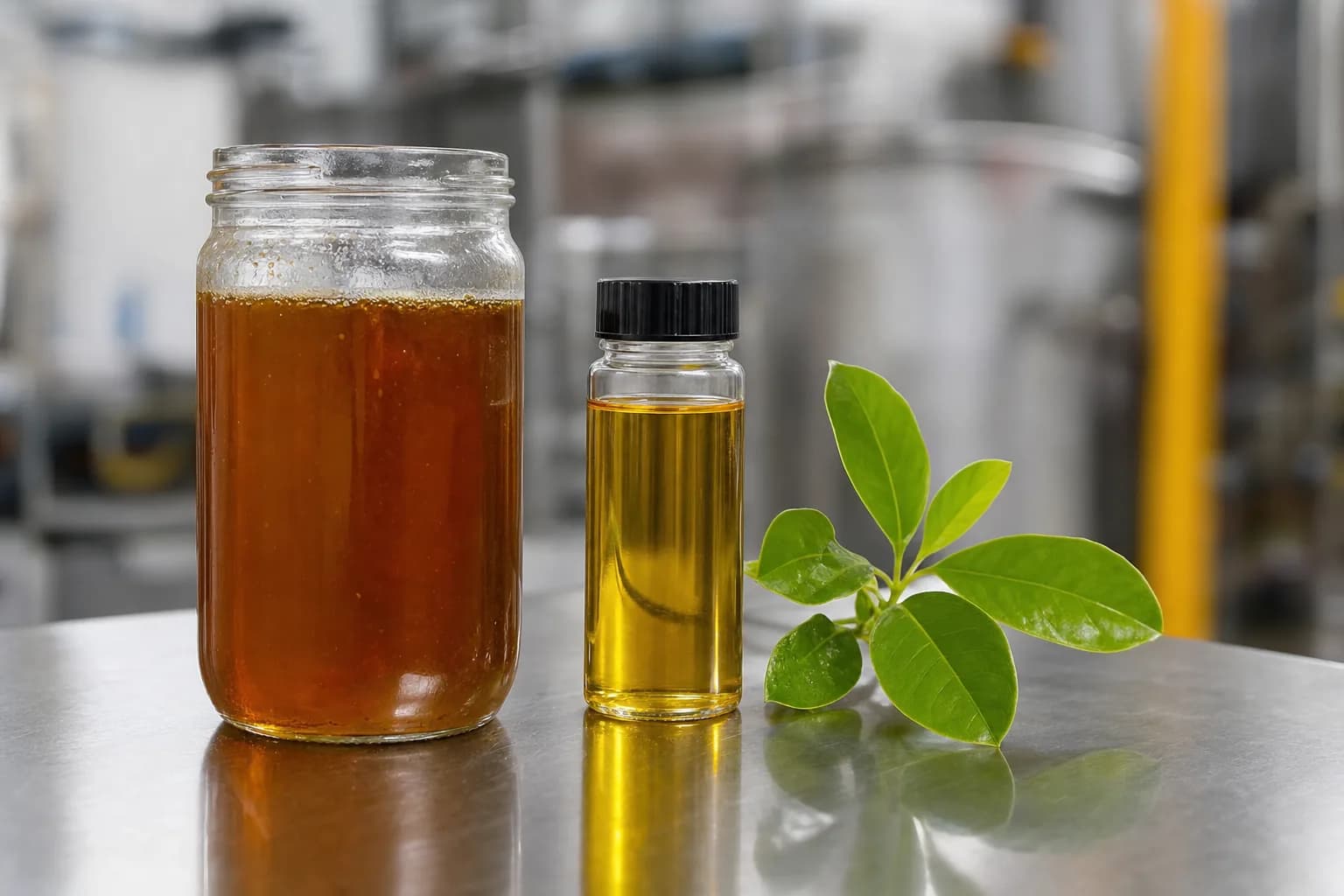
Recycling used cooking oil is often free, keeps you CDFA and FOG compliant, stops sewer backups, guards against theft, and cuts lifecycle carbon up to 86%.
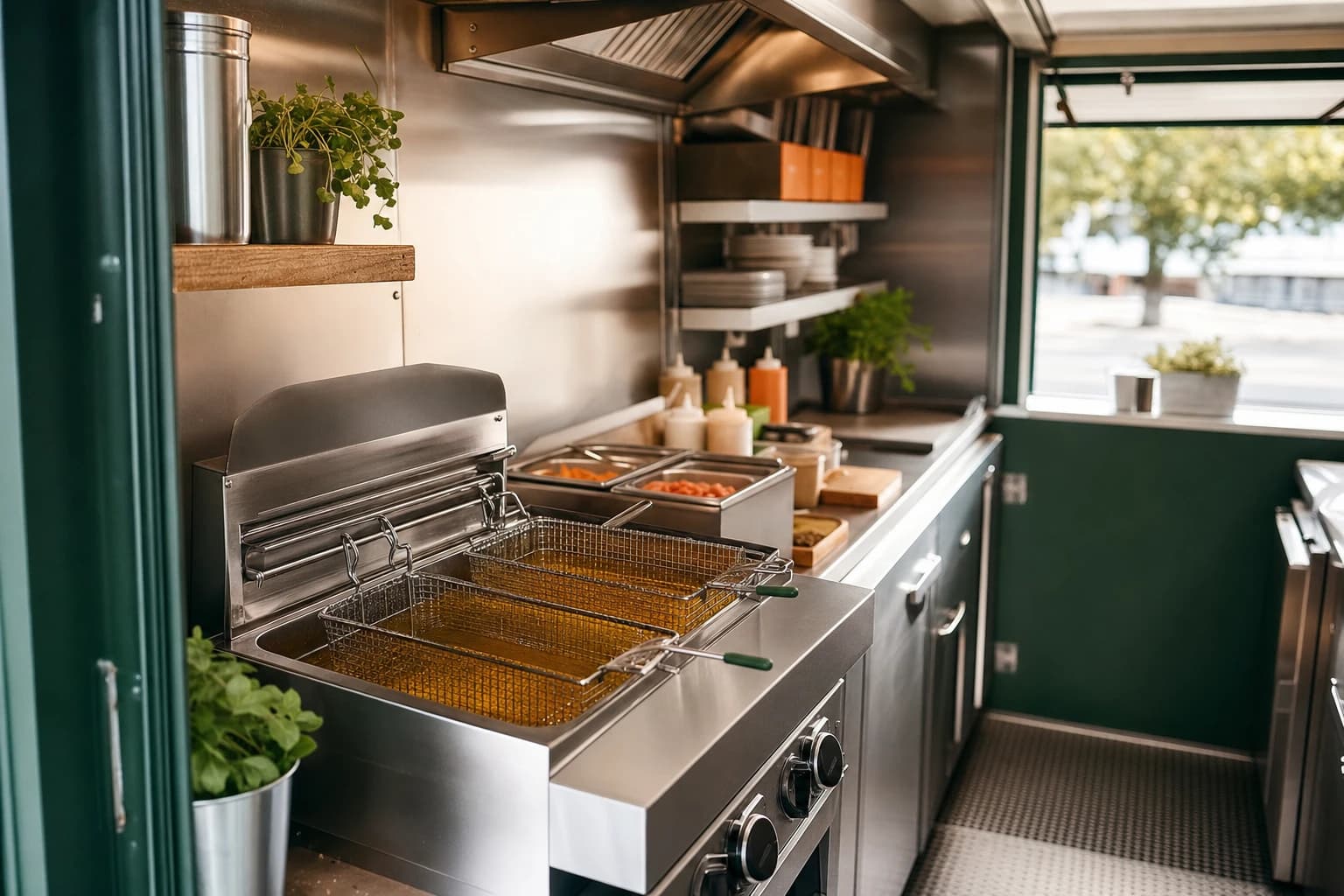
Food truck cooking oil disposal, done right: where mobile kitchens can legally dump used fryer oil, why curbside and storm drains are off-limits, how commissary collection works, and how to get free pickup plus a CDFA digital manifest even as a small, single-truck operator.
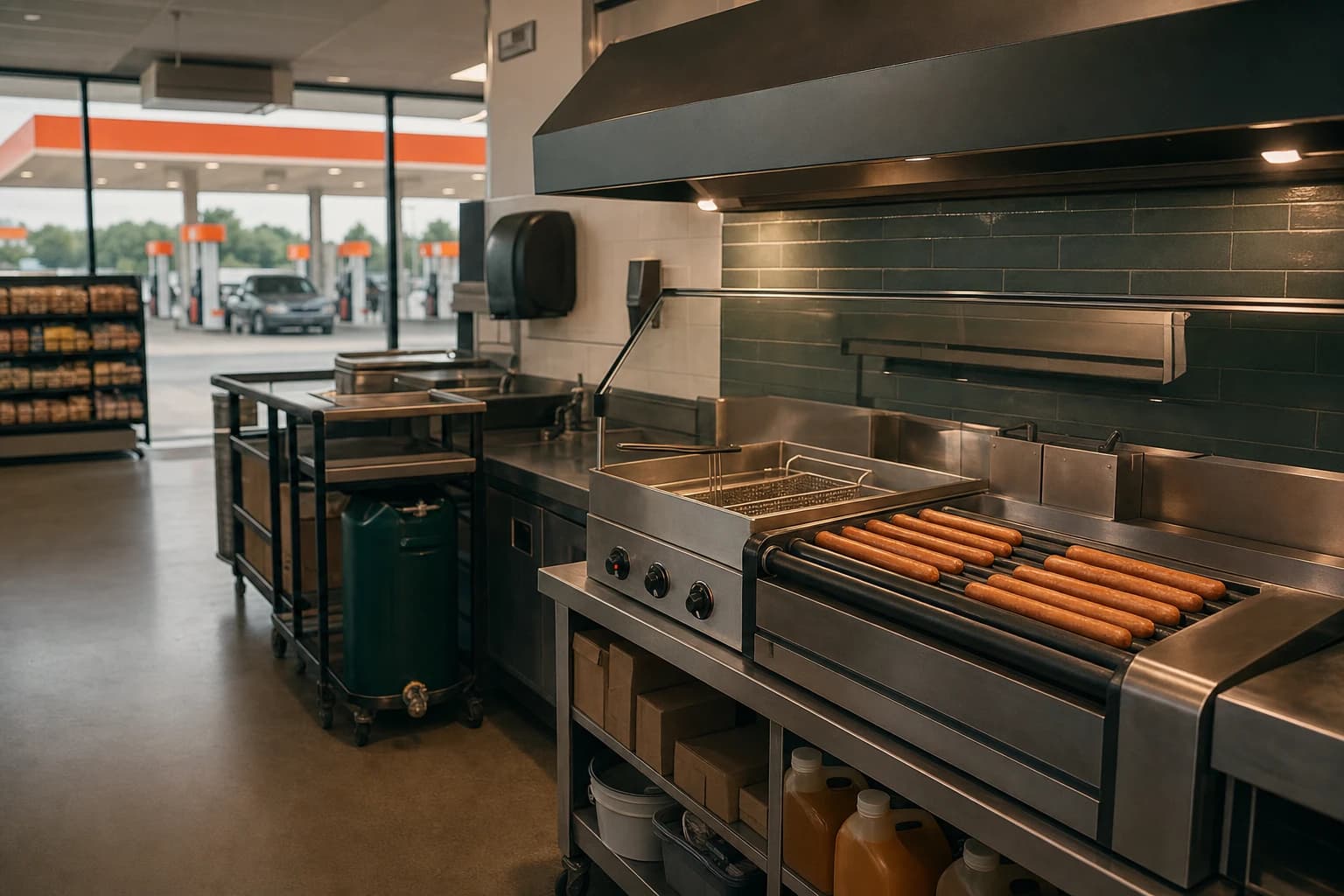
Convenience store used cooking oil: a practical 2026 guide for c-store and gas-station owners on roller-grill and fryer oil pickup, theft-proof containers at unattended sites, small-volume scheduling, multi-site consolidation, and CDFA digital manifests, with sourced figures.
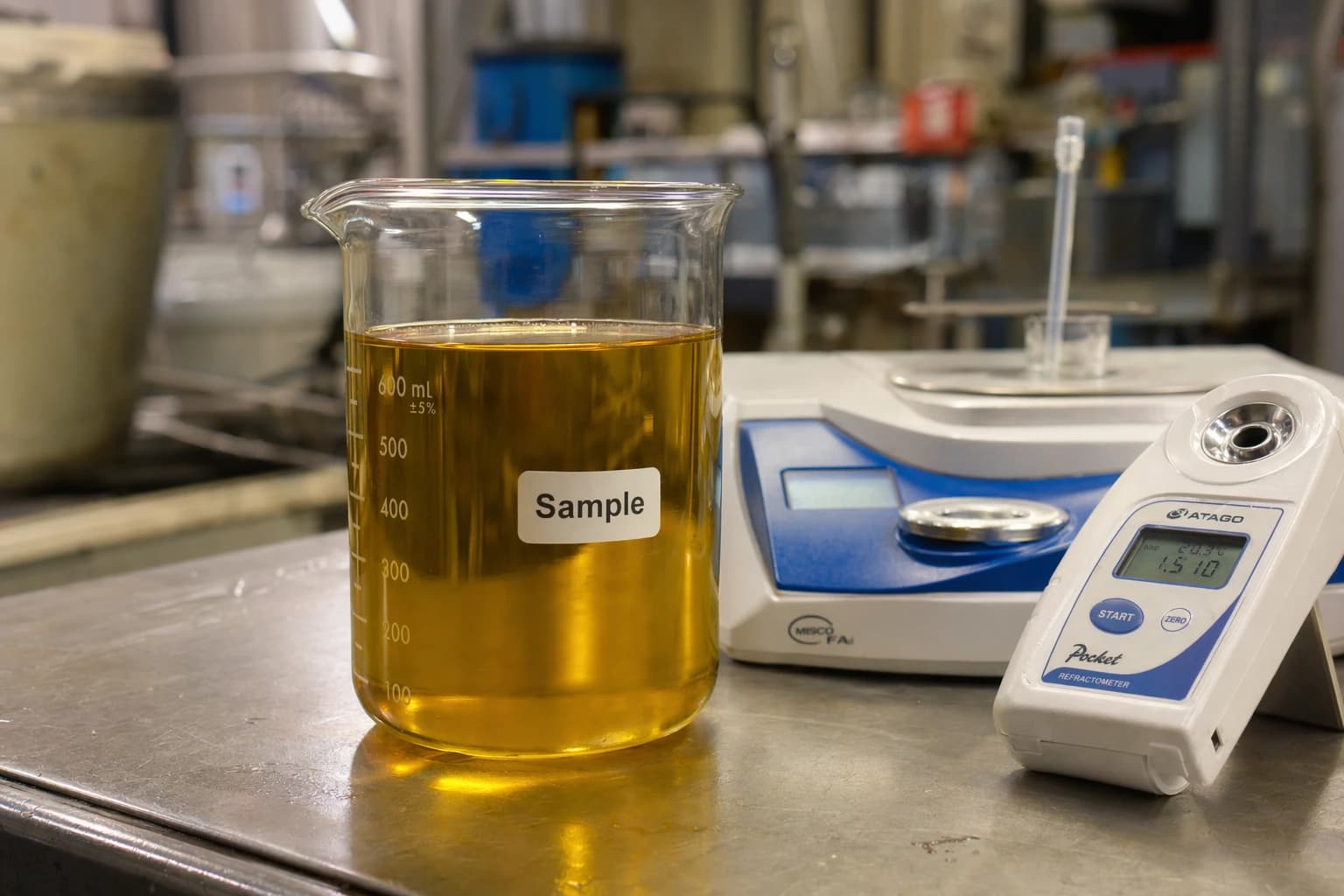
What is used cooking oil worth per gallon in 2026? How yellow grease prices work, what drives value (FFA, MIU, LCFS), and why CA restaurants get free pickup.
What restaurant groups, franchisors, and hotel operators should look for when negotiating a multi-location cooking oil collection contract, pricing, SLAs, CDFA manifests, exit terms.
Plain-English guide to cooking oil compliance for California restaurants, what the law actually requires, what inspectors check, and the 3 documents every operator needs.

Cooking oil container theft prevention solutions for California restaurants: locked containers, cameras, and manifest records that actually stop grease theft.

Commercial cooking oil disposal by venue type: hotels, stadiums, ghost kitchens, catering, and multi-location chains. Volumes, scheduling, and how to pick a hauler.
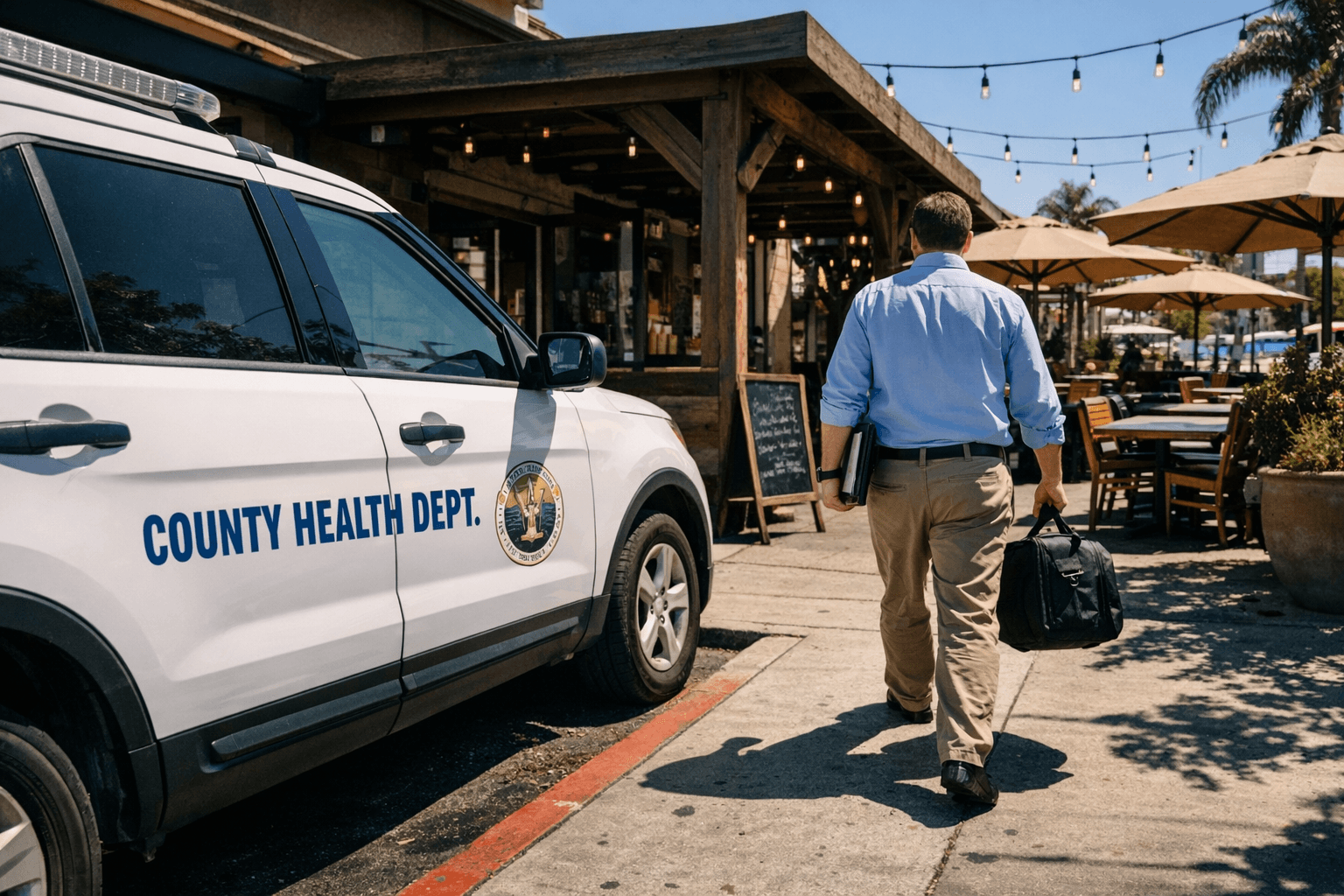
California FOG violation fines vary by local wastewater authority, from a few hundred dollars to tens of thousands. See real, sourced fine figures, what triggers a citation, and how to avoid one.
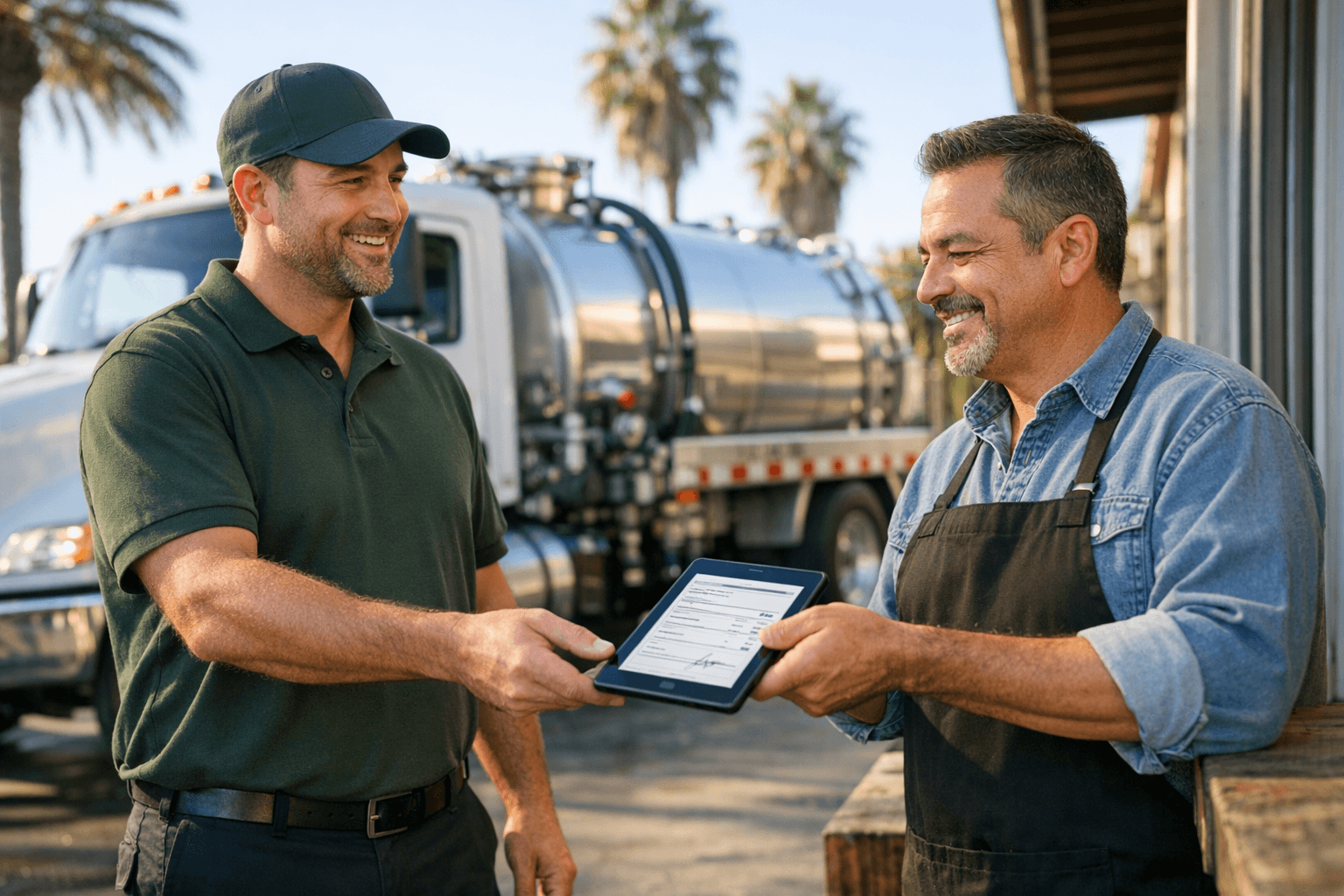
Used cooking oil pickup is free for most California restaurants. Learn why haulers collect your oil at no charge, how the economics work, and what to look for in a provider.
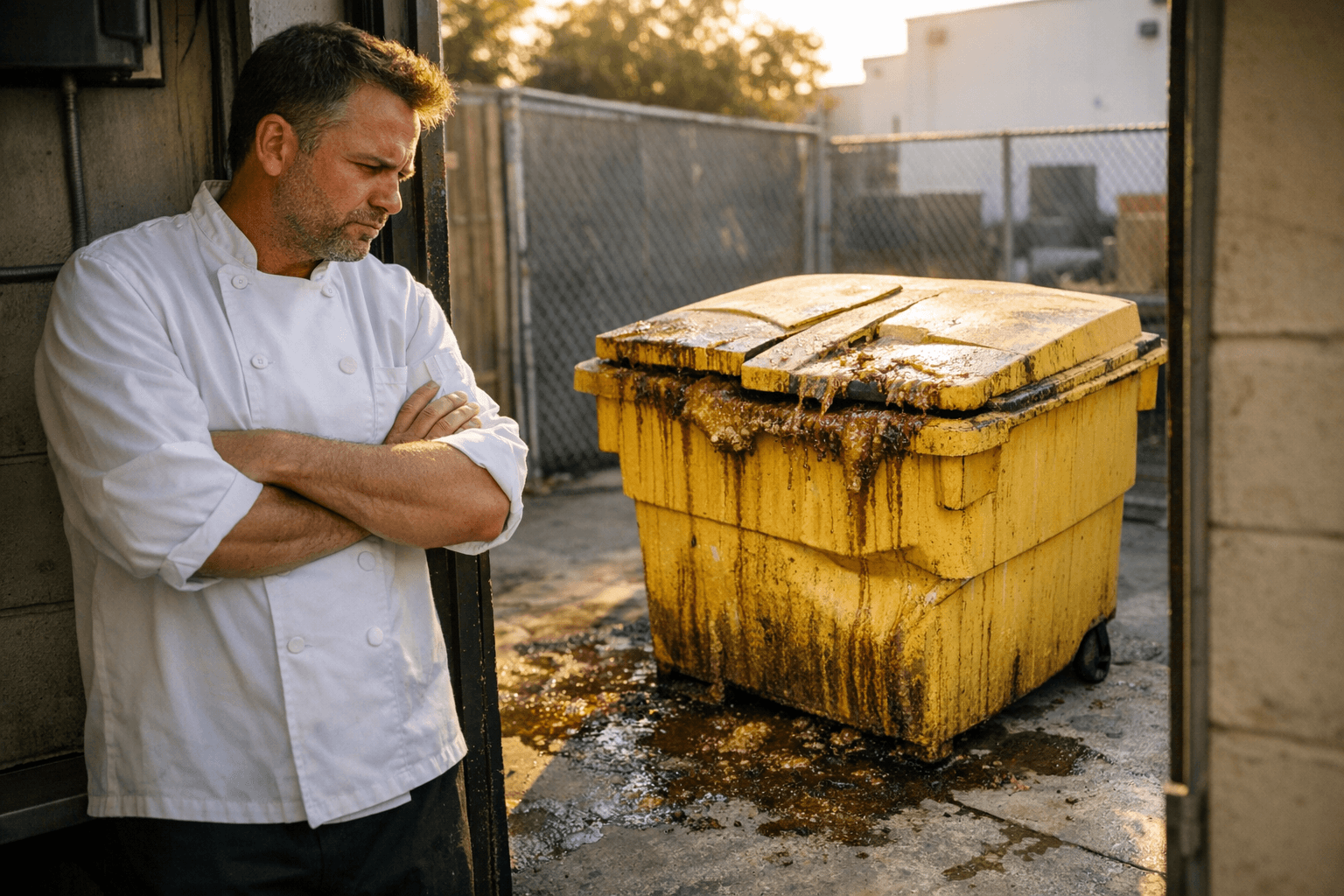
Spot the red flags that mean your used cooking oil hauler is costing you money, compliance risk, or both. Learn the 7 warning signs every California restaurant owner should watch for.

Most Southern California sanitation districts, including the agencies covering LA County, require grease traps to be pumped before FOG exceeds 25% of capacity. Learn how the rule works, how inspectors measure it, and how to stay compliant.

Everything you need to set up grease management before opening your restaurant in Orange County, LA, or San Diego. Grease traps, UCO containers, hauler selection, and compliance from day one.
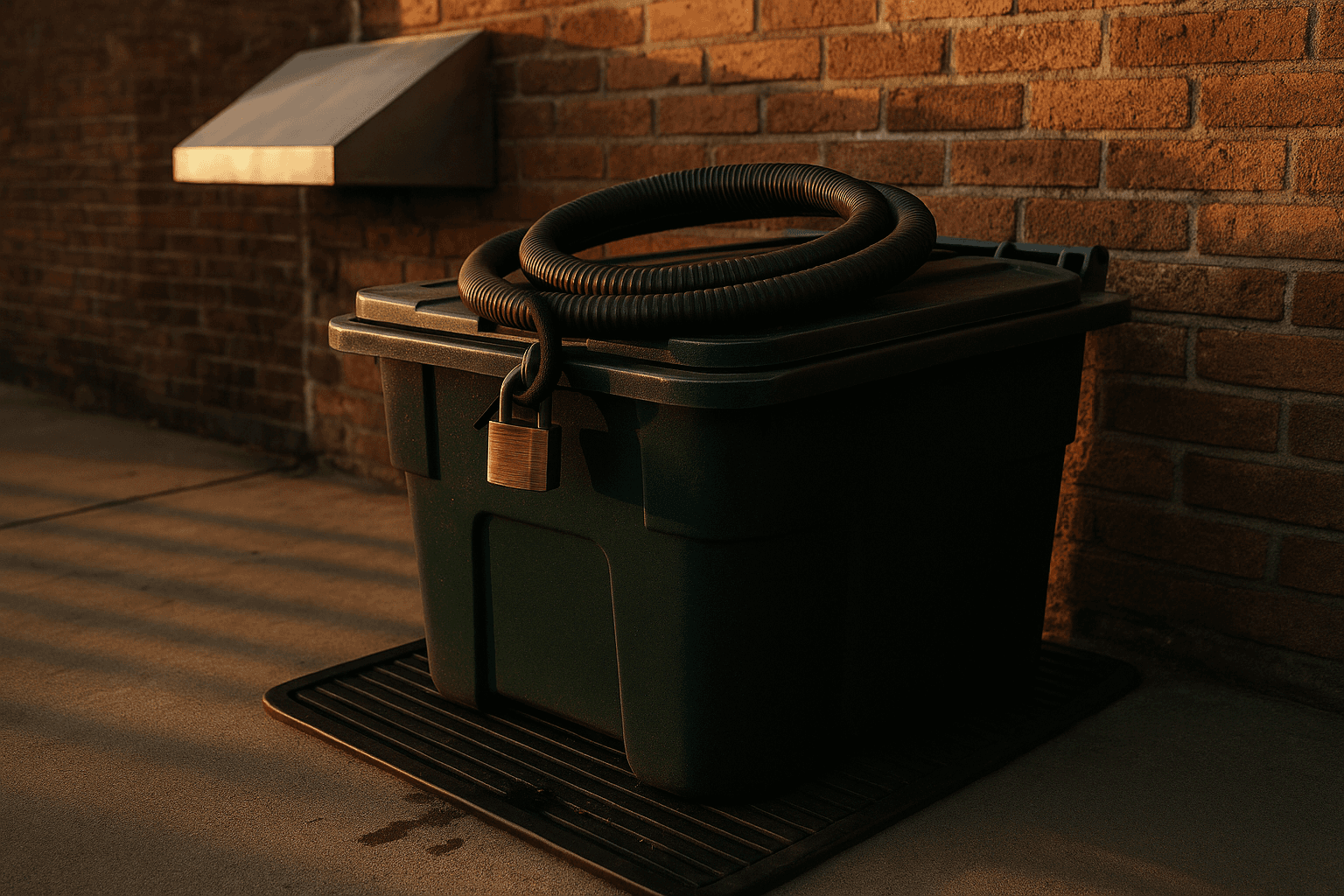
How used cooking oil pickup works: the free locked container your provider supplies, what to expect on pickup day, compliance, and choosing a provider.
Free pickup with a CDFA manifest every time is one of four legal routes. The four ranked by cost and fine risk, and the shortcuts that draw citations.

Ever wonder where your used fryer oil goes after it's collected? Here's the full story, from your restaurant's container to biodiesel, renewable diesel, and beyond.
A step-by-step walkthrough of what happens when you sign up for grease pickup service, from the first site visit and container placement to scheduled collections, manifests, and billing.
A practical guide for restaurant owners evaluating grease collection services, the right questions to ask, registration requirements to verify, contract terms to watch for, and red flags that signal a bad provider.

Learn safe, compliant fryer oil disposal methods for commercial kitchens in Southern California. Includes change schedules, handling tips, and CA regulations.
CDFA registration, manifest rules, FOG ordinances, and inspection risk. The Southern California restaurant operator's guide to cooking oil pickup compliance, written in plain English.

Compare cooking oil disposal service options for Southern California restaurants, what free service covers, when you'll pay, and hidden fees to watch for.
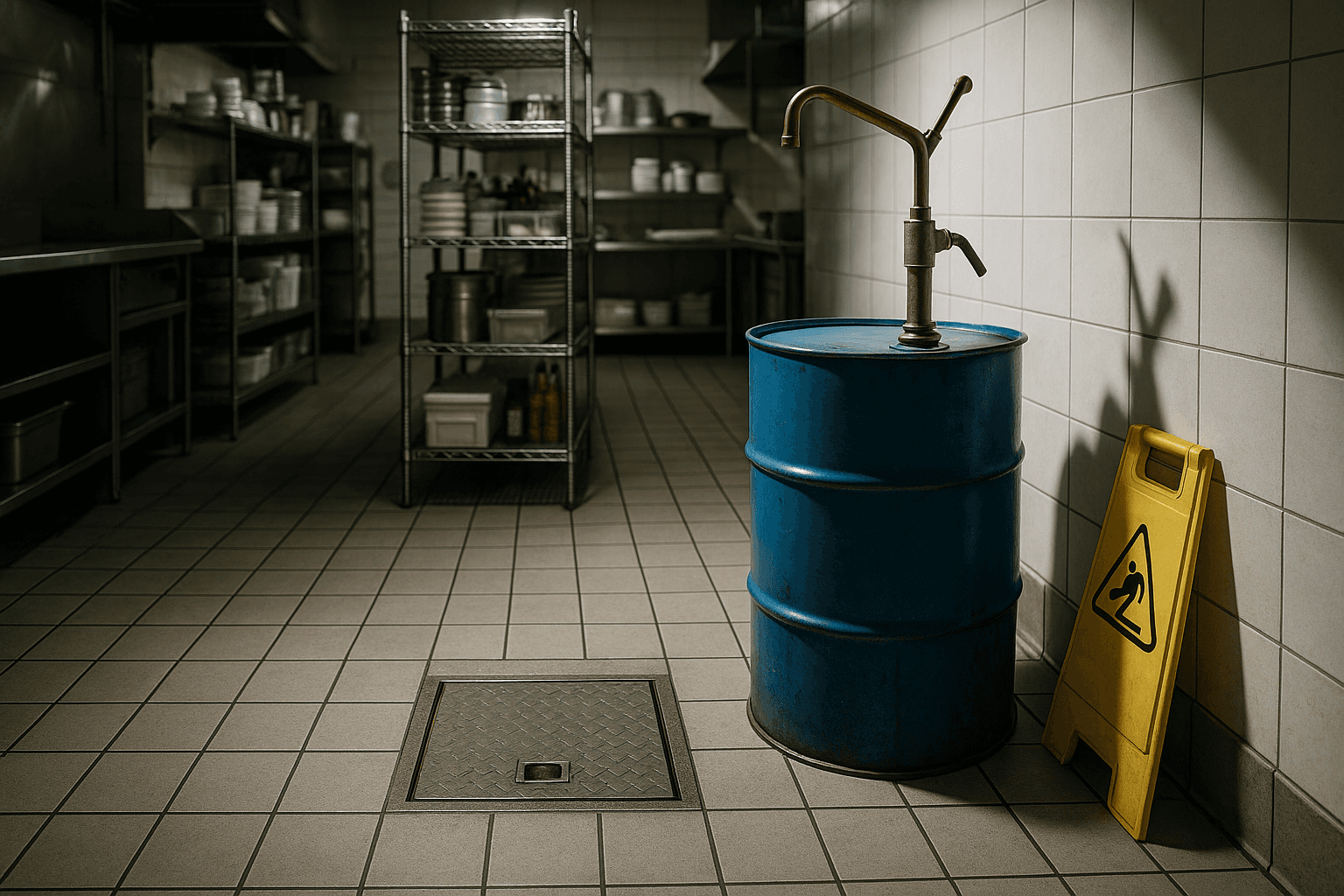
How used cooking oil collection works for restaurants, from container to recycling facility, and why free pickup is standard for most commercial kitchens.
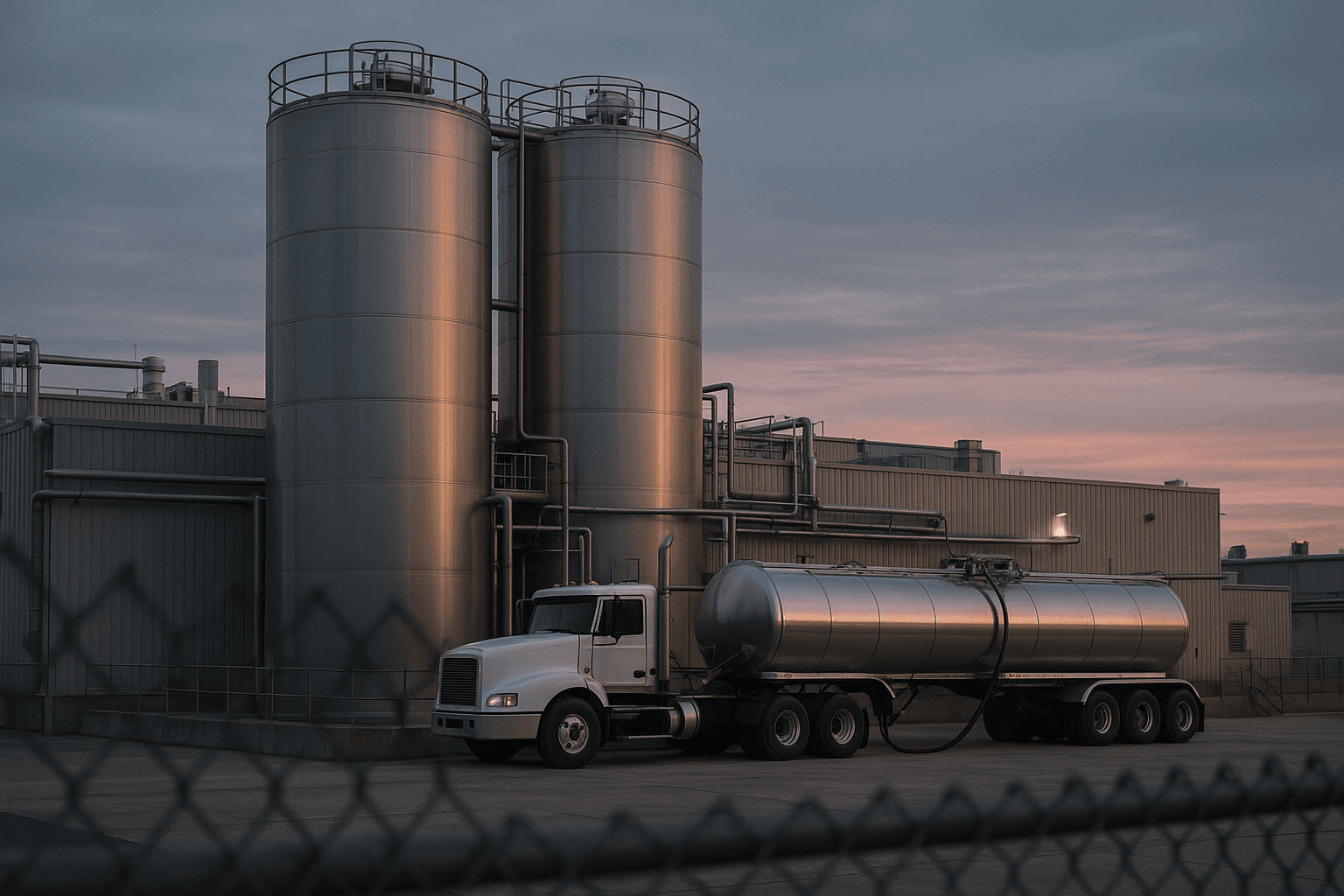
A practical guide to yellow grease collection for high-volume food processors, what it is, how it differs from brown grease, and how to streamline collection logistics.

The truth about selling used cooking oil to a yellow grease buyer, why most restaurants should not expect a rebate and what really happens to the money.

Discover how waste vegetable oil pickup connects Southern California restaurants to the biodiesel supply chain, and the real environmental impact of recycling your used cooking oil.

A practical guide to verifying your grease hauler's California CDFA IKG registration, what to check, red flags to watch for, and how to look up any hauler.
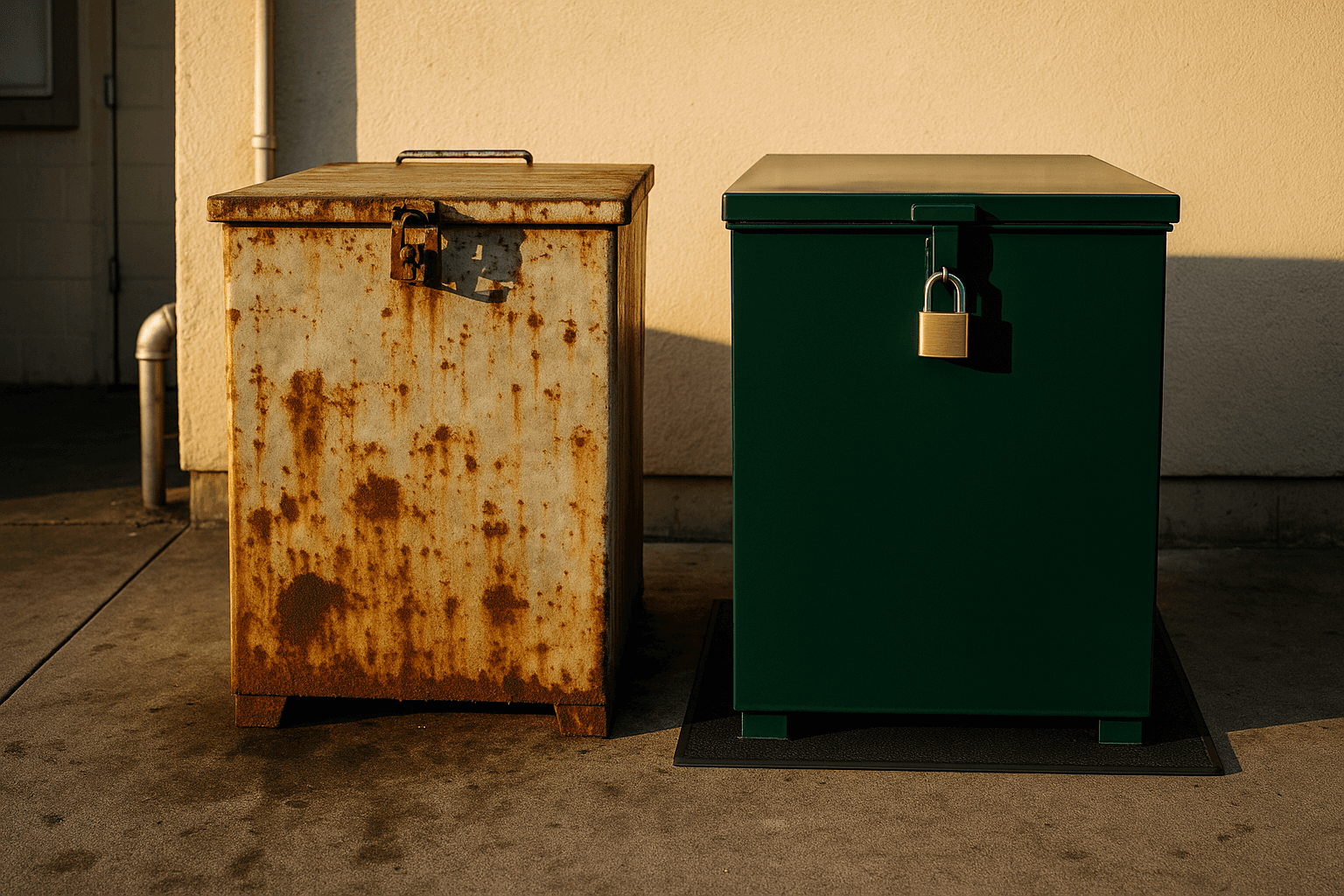
Step-by-step guide to switching your used cooking oil pickup provider without missed collections, compliance gaps, or service interruptions.
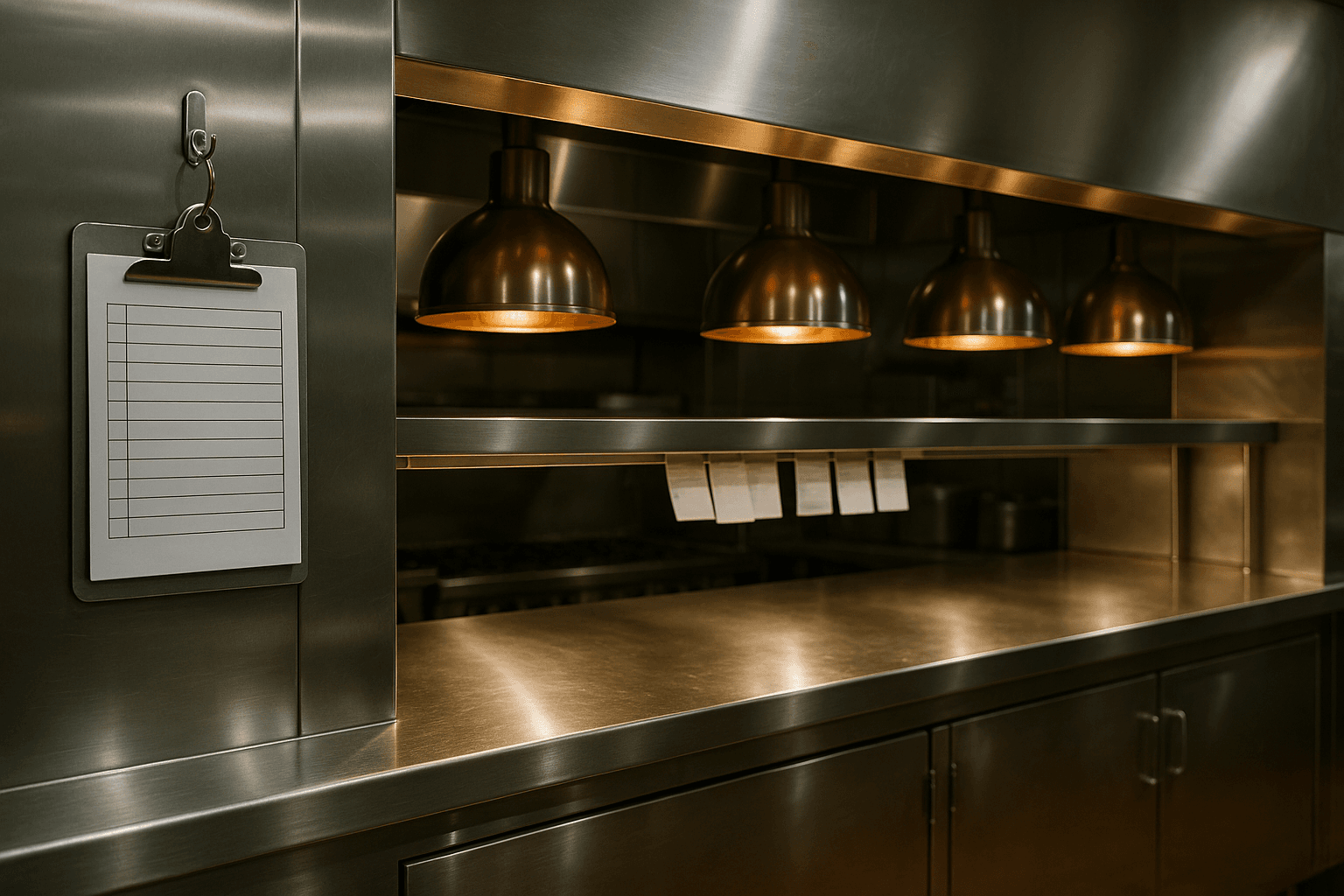
Complete checklist of grease-related items health inspectors look for during California restaurant inspections. Prepare in advance and pass every time.
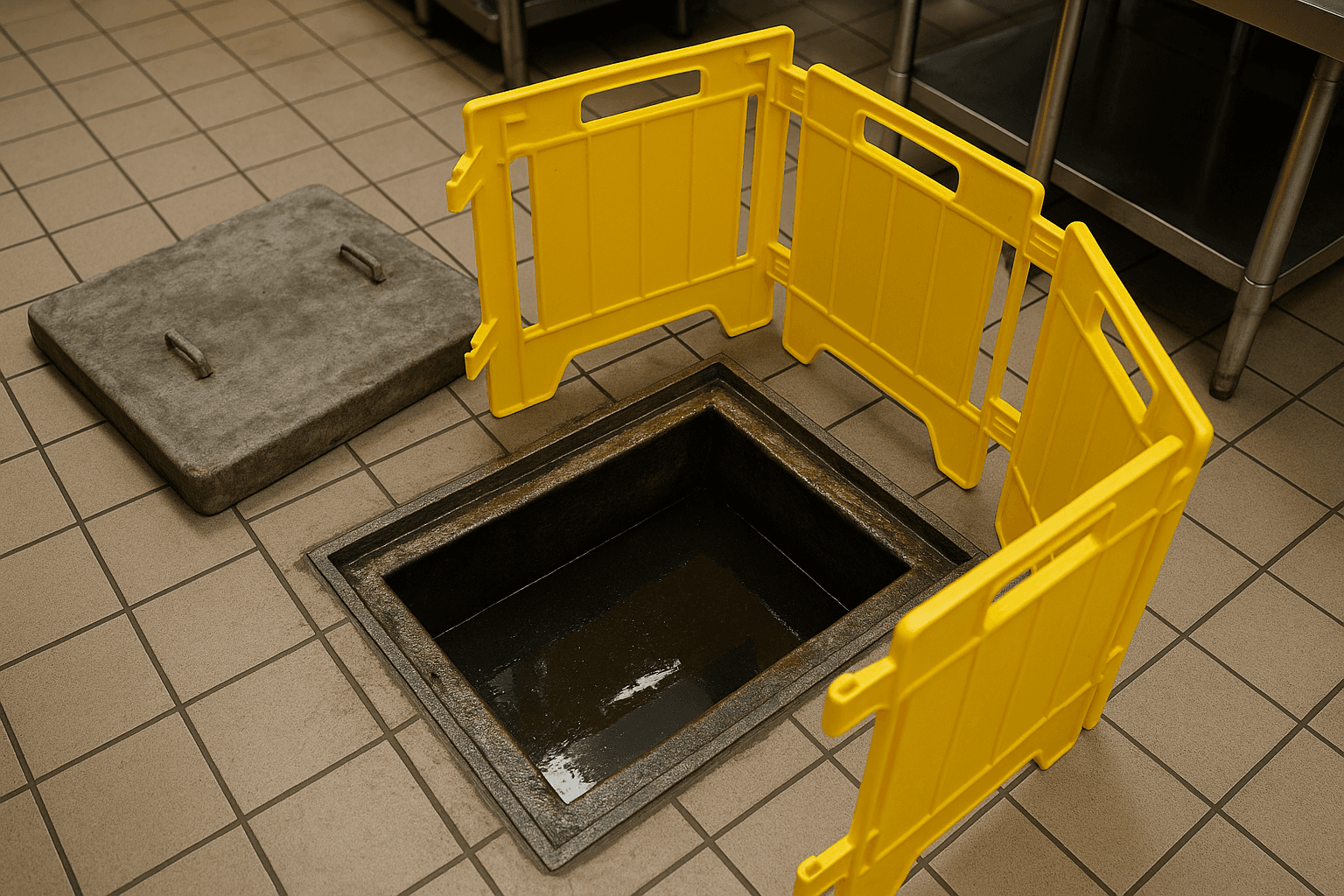
California grease trap cleaning frequency requirements, warning signs it needs pumping, and how to stay compliant with local health codes.
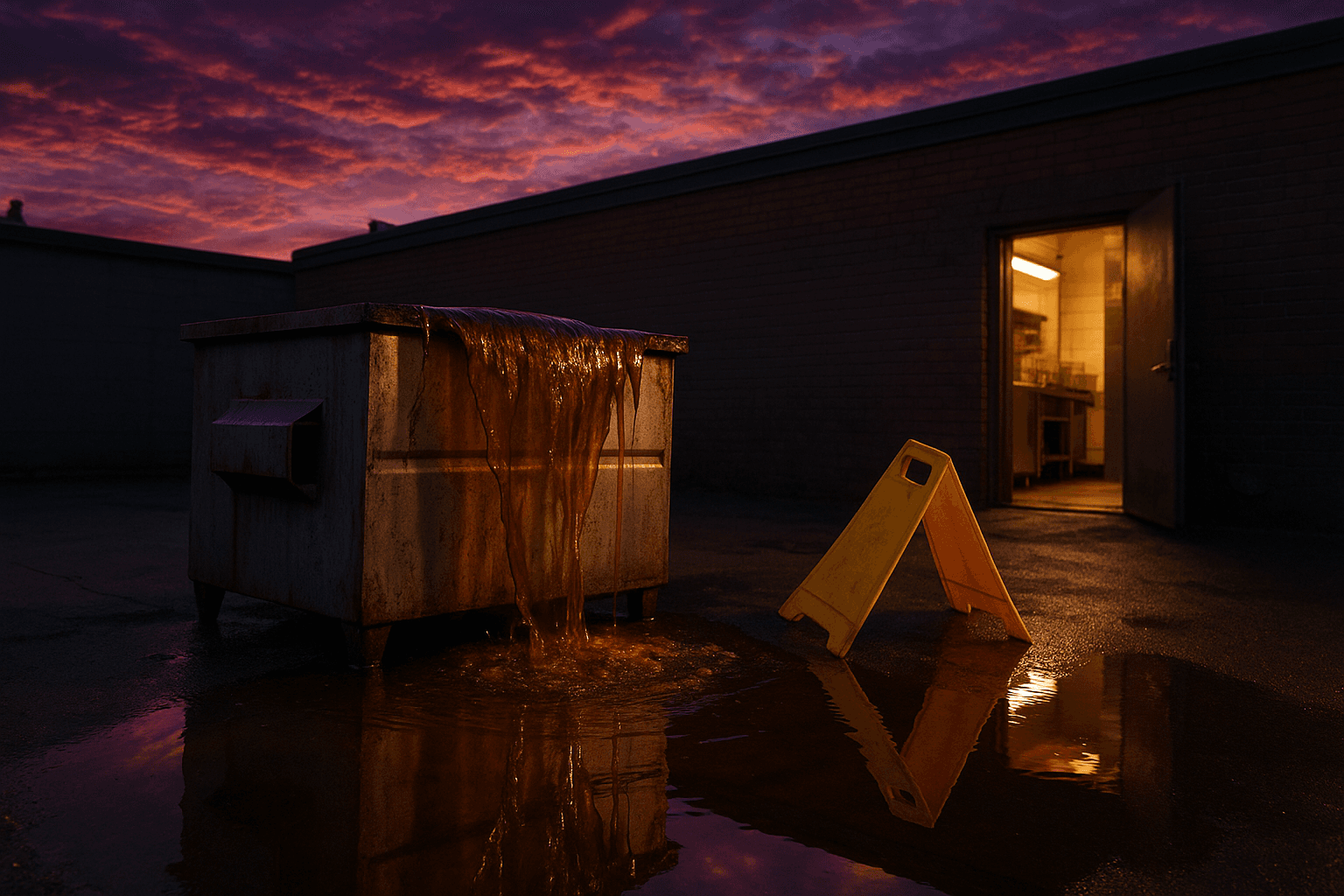
Step-by-step emergency response for a grease trap overflow in your restaurant. Immediate actions, who to notify, documentation, and how to prevent health code violations.
Every used cooking oil pickup in California requires a CDFA manifest. Here's what fields are required in 2026, how long to keep them, and how to stay audit-ready.
The Grease Report covers everything restaurant owners and kitchen managers need to know about used cooking oil management, grease trap maintenance, and regulatory compliance in California. We publish practical guides on CDFA manifest requirements, health inspection preparation, emergency overflow procedures, and tips for switching UCO pickup providers without service interruptions. Our goal is to help foodservice operators stay compliant, avoid fines, and keep their kitchens running smoothly with minimal hassle. Every article is reviewed for accuracy against current California regulations and real-world best practices from the industry.
We publish new articles on a regular basis, typically two to four times per month. Our editorial calendar focuses on timely topics like upcoming regulatory changes, seasonal maintenance reminders, and practical how-to guides that address the most common questions we hear from restaurant operators. We also publish urgent updates whenever California agencies announce changes to grease disposal or manifest requirements so you can stay ahead of compliance deadlines. You can bookmark our blog page or check back regularly to make sure you never miss an important update that could affect your kitchen operations.
Yes, the majority of our content is tailored specifically to California foodservice operators because the state has unique regulations around used cooking oil collection, grease trap maintenance, and CDFA manifest documentation. California restaurants face requirements that differ significantly from other states, including specific record-keeping mandates under Title 3 of the California Code of Regulations. While some of our general maintenance and best-practice articles apply to restaurants nationwide, we always highlight California-specific rules, deadlines, and compliance tips so local operators can trust that the information is directly relevant to their situation and jurisdiction.
Free service, scheduled on your terms, fully CDFA-compliant manifests included.
Or call (714) 880-4788 and talk to a real person today.