
Los Angeles used cooking oil pickup comes down to six things. The best company is CDFA-registered, genuinely free with no contract or minimum, fast and reliable, gives you a digital manifest after every pickup, and provides secure locked anti-theft containers, with a clear path that turns your fryer oil into fuel. Registration is non-negotiable because California law requires it; the rest is service quality. Oil Guyz meets all six across LA County.
Los Angeles regulates used cooking oil, so registration comes first
In most cities, choosing a provider for used cooking oil pickup for restaurants is a service call. In Los Angeles, it is also a compliance question. California regulates used cooking oil tightly, and cooking oil theft is a documented, costly problem across the Los Angeles region. The "best" provider is not the one with the slickest flyer, it is the one that keeps you legal, keeps your back-of-house clean, and shows up when they say they will.
Below are the six criteria that actually matter, why each one is grounded in real regulation, and where Oil Guyz fits each. Use them as a checklist when you evaluate any LA vendor, not just us.
Los Angeles UCO pickup: the 6 criteria that actually matter
1. CDFA-registered, the non-negotiable
In California, transporting inedible kitchen grease (IKG), the regulatory term for used cooking oil, requires registration with the California Department of Food and Agriculture (CDFA) and a valid registration certificate. That means any legitimate UCO pickup company in LA must use a CDFA-registered transporter. There is no exception, no grace period, and no "we're working on it."
CDFA also advises generators to confirm the company collecting their grease is the one they expect, and to watch that truck markings and container labels match the servicing provider. Registration is not trivial to obtain, the state requires transporters to carry insurance or a bond and to document their vehicles, so an active registration is a real signal that you are dealing with a serious operator, not someone running an unmarked truck.
How Oil Guyz fits: every pickup is run by a CDFA-registered transporter, and your oil moves through our licensed renderer with full registration in place. If you ever want proof, ask, a legitimate recycler will produce it without hesitation.
2. Free, with no contract and no minimum volume
For the overwhelming majority of restaurants, used cooking oil recycling should be free. The recycler recovers its cost from the value of the oil downstream as fuel feedstock, so there is no reason to charge you for pickup. Watch closely for the fine print that quietly reverses "free": multi-year lock-in contracts, container-rental fees, fuel surcharges, or volume minimums that penalize a small kitchen.
| What to ask | A red flag answer |
|---|---|
| Is pickup truly free? | "Free, but there's a monthly equipment fee." |
| Is there a contract? | "Standard 3-year term, auto-renews." |
| Is there a minimum volume? | "We only service 200+ gallons/month." |
| Are containers included? | "Containers are rented separately." |
How Oil Guyz fits: free used cooking oil pickup with no contract, no fees, and no minimum volume, a single fryer or a full commissary qualifies. See pricing for the full picture (spoiler: it stays free for standard service).
3. Fast response and no missed pickups
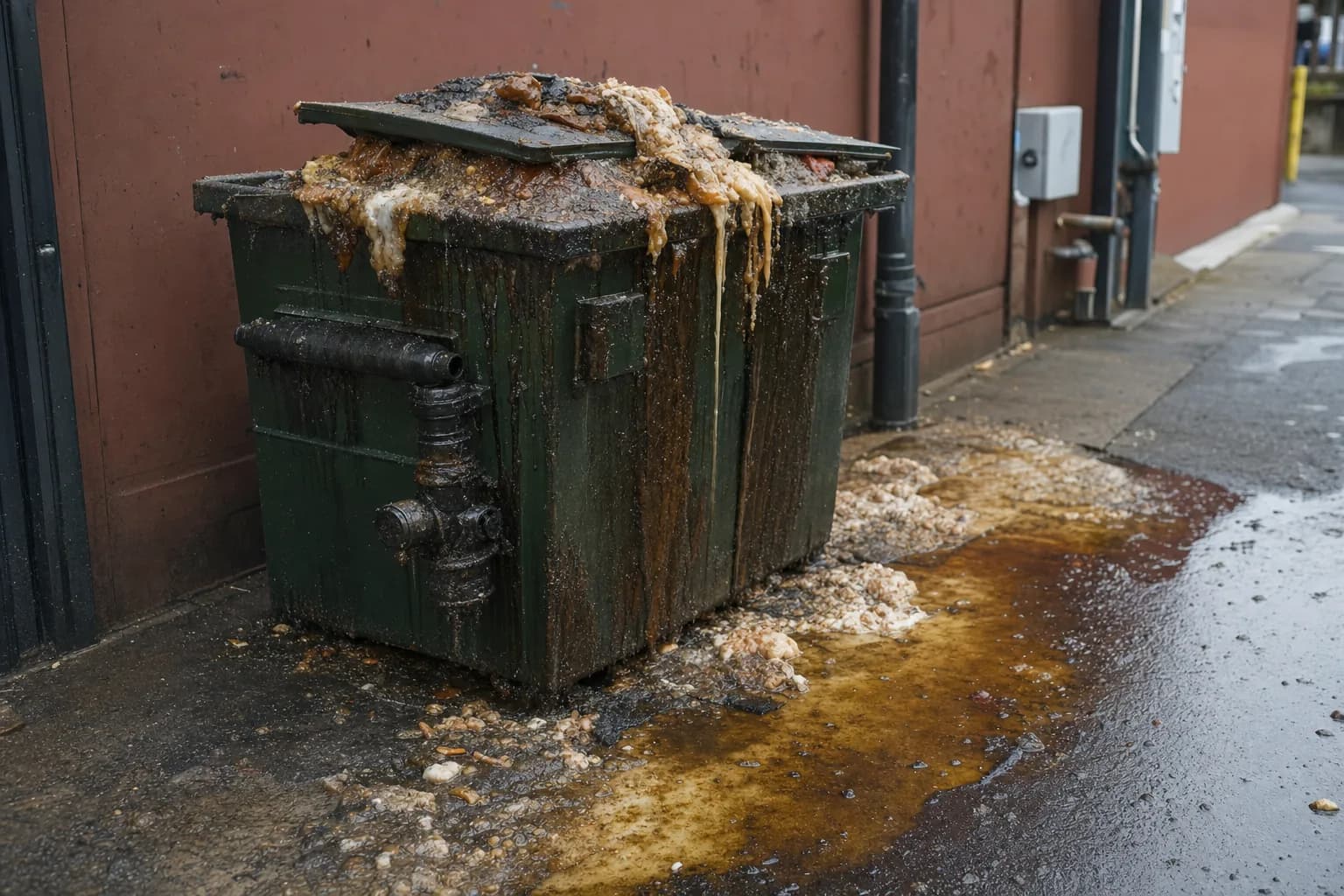
A full grease container behind your kitchen is a code problem, a pest problem, and a slip hazard all at once. The best Los Angeles providers run reliable scheduled routes sized to your actual oil volume, and they have a real person answer the phone when something changes. Reliability is the single clearest signal separating a serious recycler from a casual one.
A simple way to size your service:
| Monthly UCO volume | Typical pickup frequency |
|---|---|
| Under 50 gallons | Monthly |
| 50 to 150 gallons | Every 2 weeks |
| 150 to 400 gallons | Weekly |
| 400+ gallons | Twice weekly or custom |
How Oil Guyz fits: reliable scheduled routes, scheduling by phone, text, or the online portal, and a real person on the phone. If a stop is ever missed, you flag it and we re-route, you are not waiting a full cycle for relief.
4. CDFA-compliant digital manifests, emailed every time
CDFA requires IKG records to be maintained and made available on request, so chain-of-custody documentation is a regulatory expectation, not a nicety. A good provider gives you a digital manifest emailed after every pickup, a timestamped record of who collected your oil, when, and how much.
This matters during any inspection or audit, and it protects you if a theft or contamination dispute ever arises. Paper tickets that live in a drawer do not cut it; you want a searchable digital trail.
How Oil Guyz fits: CDFA-compliant digital manifests are emailed automatically after each pickup, and we retain them for two years so the record is always there when you need it.
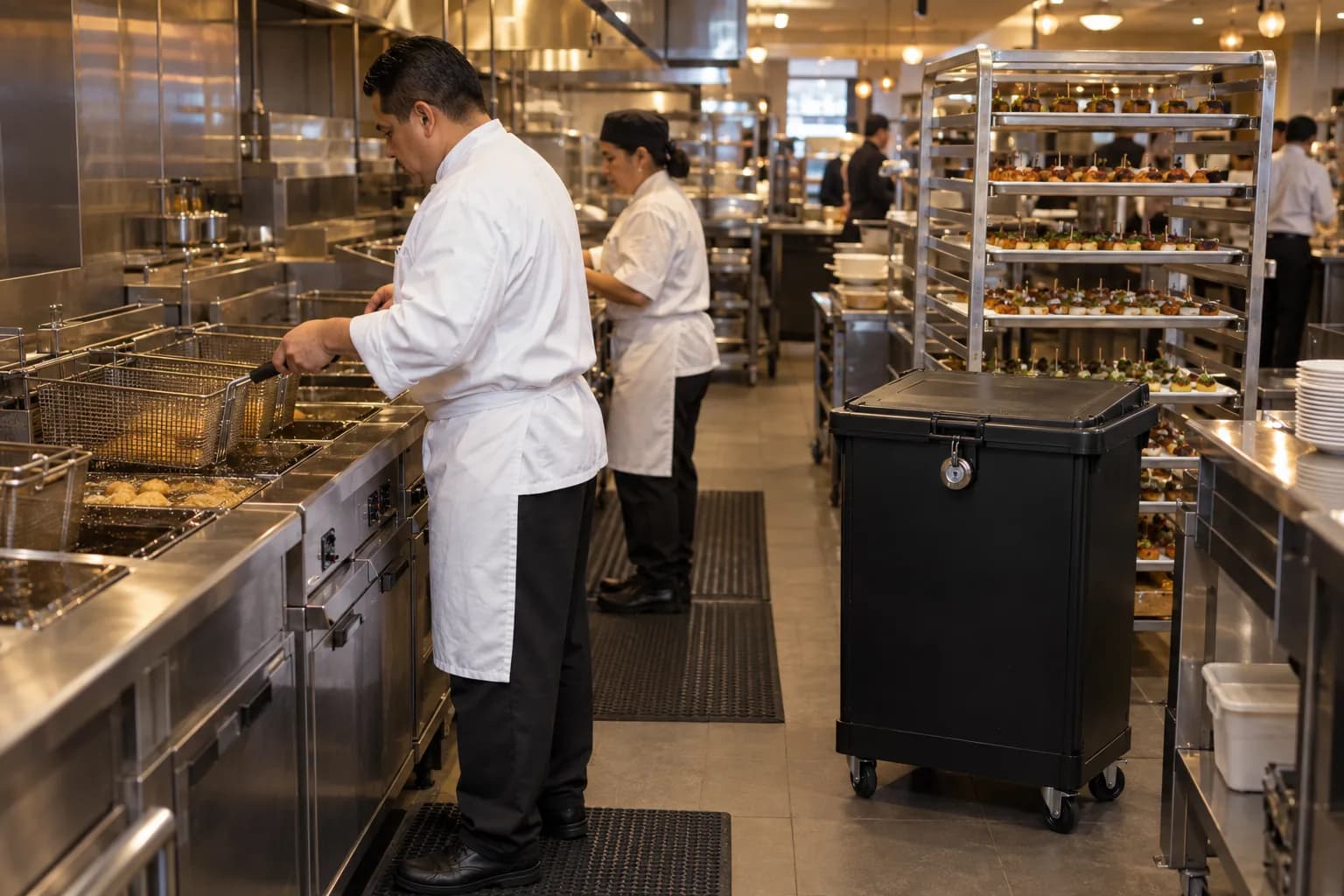
5. Secure, locked anti-theft containers
Used cooking oil theft is a real and significant problem in California. CDFA recognizes inedible kitchen grease theft, runs a dedicated anti-theft reporting program, and advises generators to watch for unmarked trucks and to verify the company servicing their containers. Yellow grease has genuine market value as fuel feedstock, which is exactly why it gets stolen, and why an unmarked vehicle pulling up to your container at night is a warning sign, not a convenience.
The defense is straightforward: locked, secured containers and a provider whose truck and container markings match the company you signed with. If your "recycler" shows up unmarked, that is a red flag worth acting on.
How Oil Guyz fits: free locked anti-theft containers are part of standard service, and your pickups are run by identifiable, CDFA-registered transporters on reliable scheduled routes.
6. A real path from your fryer to fuel
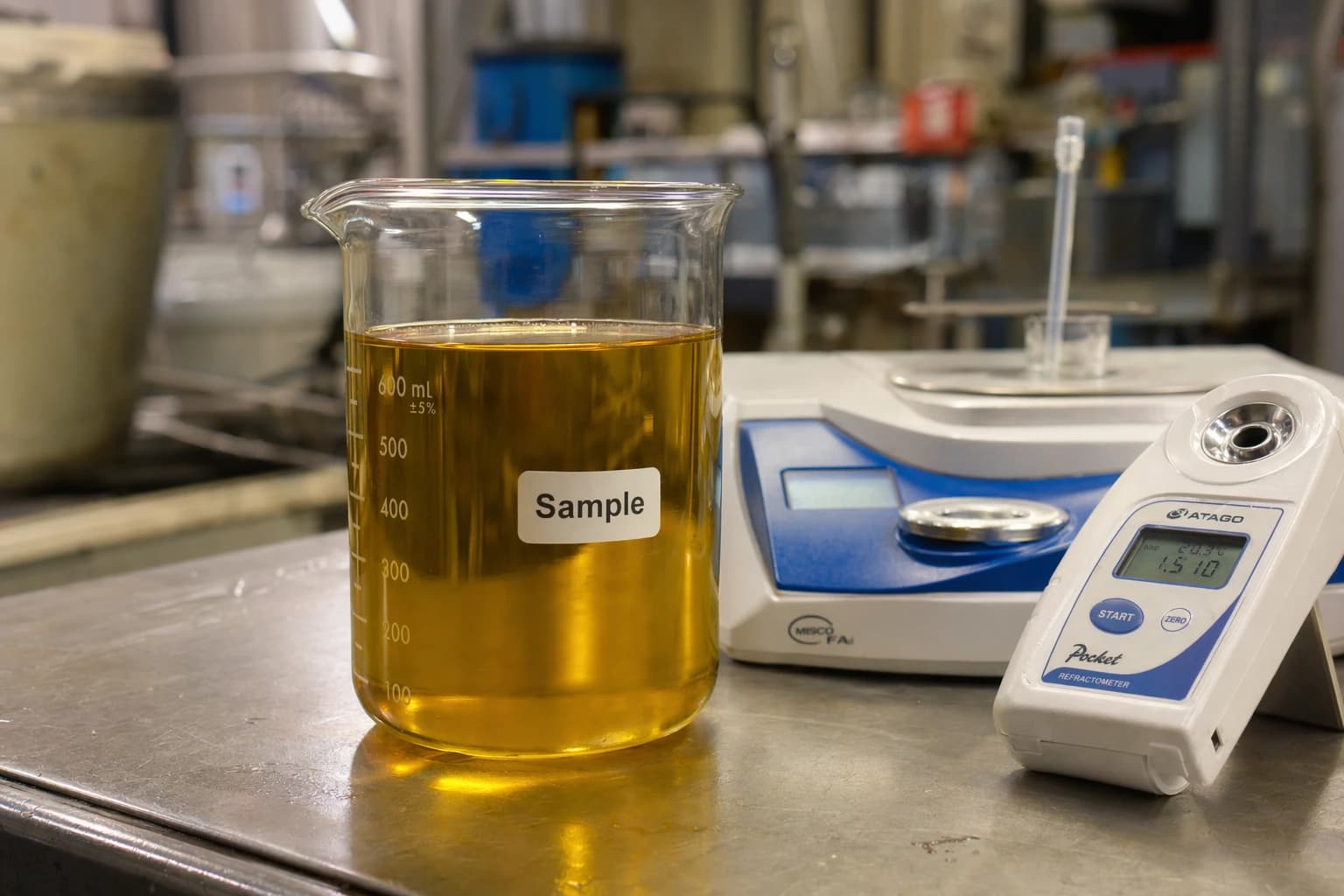
The best recyclers can offer free pickup precisely because your oil has downstream value, so it is worth understanding where it goes. Clean yellow grease drained from your fryers is collected, filtered, and refined into transportation fuel. A provider who can clearly explain that chain (and document it with manifests) is one who is actually moving your oil into the legitimate market, not dumping it.
To keep that value intact, your fryer oil has to stay clean and separate from the fats, oils, and grease (FOG) that wash off dishes and floors into your drains, those are a separate plumbing-side waste stream. Keeping your clean fryer oil out of the drain is exactly what proper cooking oil disposal and recycling accomplish, and it is what makes your oil worth collecting for free.
Where your Los Angeles fryer oil goes, and why it has value
Understanding where your oil goes explains why good recyclers can offer free pickup. The U.S. Department of Energy's Alternative Fuels Data Center (AFDC) confirms that recycled restaurant grease (yellow grease) is a feedstock for biodiesel, and that fats, oils, and greases, used cooking oil chief among them, are the most common feedstock for renewable diesel.
Renewable diesel is a drop-in hydrocarbon fuel that runs in existing diesel engines with no modification. Under California's Low Carbon Fuel Standard, fuels made from used cooking oil deliver a substantial carbon-intensity reduction versus petroleum diesel. California's Inedible Kitchen Grease program, run by CDFA, is the state framework that keeps waste fryer oil moving through that legitimate recycling chain instead of down a drain.
In other words, your fryer oil is not trash. It is biodiesel feedstock and yellow grease with measurable downstream value, which is precisely why a legitimate recycler pays nothing for pickup, and why you should never pay them either.
Los Angeles provider check: 5 steps to vet any hauler
- Confirm CDFA registration. Ask for the certificate and check that the truck markings and container labels match the company name.
- Read the agreement for traps. No multi-year lock-in, no container-rental fee, no volume minimum, no surcharges.
- Ask how you'll get records. You want a digital manifest emailed after every pickup, retained for years, not a paper ticket.
- Test the phone. Call once before signing. A real person answering is a strong signal of reliable service.
- Inspect the container. Lockable, clearly marked, and sized to your volume. Unmarked anything is a red flag.
Where Oil Guyz fits across LA County
Oil Guyz provides free, CDFA-compliant used cooking oil pickup across all of Los Angeles County, Downtown LA, the San Fernando Valley, the South Bay, Long Beach, the Westside, and the San Gabriel Valley, plus the broader region from Orange County and the Inland Empire down to San Diego, up to the Bay Area, and into the Pacific Northwest around Tacoma and Seattle. One provider, consistent service, the same standards everywhere. Run kitchens up north too? The Bay Area used cooking oil pickup guide walks the same setup under Northern California rules.
Choosing the best used cooking oil pickup company in LA comes down to those six criteria, registered, free, fast, documented, secure, and tied to a real fuel market. Get those right and the rest is easy.
Ready to switch? Get free, no-contract used cooking oil pickup with locked containers and a digital manifest after every stop, contact Oil Guyz and we'll set up your LA route.