
If you run a commercial kitchen in Southern California, whether it's a fast casual spot in Orange County, a taqueria in East LA, or a seafood house in San Diego, you're generating used cooking oil every week. How you handle that oil matters more than most operators realize.
Used cooking oil pickup is one of those back-of-house logistics categories that, when handled well, you never have to think about. When handled poorly, it creates compliance headaches, pest problems, and operational friction. This guide walks through everything you need to know to set up reliable, hassle-free UCO pickup for your restaurant.
What Is Used Cooking Oil Pickup?
A used cooking oil pickup service is a commercial waste management arrangement where a CDFA-registered transporter collects your spent fryer oil on a regular schedule. The provider supplies a locked collection container and handles transport, and for most restaurants and commercial kitchens the service itself is free.
After collection, the oil is processed and refined into biodiesel, renewable diesel, or used as feedstock in other industrial applications, so nothing goes to landfill. Oil Guyz's used cooking oil pickup service covers eight markets across California and Washington, with flexible scheduling and no minimum volume requirements for most accounts.
How the Pickup Process Works
Sign-up and assessment. When you contact a provider, they'll ask about your fryer volume, oil type, and approximate weekly usage to size the right container and starting frequency. For larger accounts or multi-location groups, a representative may visit before the first pickup to confirm container placement and access; standard single-location accounts are often handled remotely based on the details you provide.
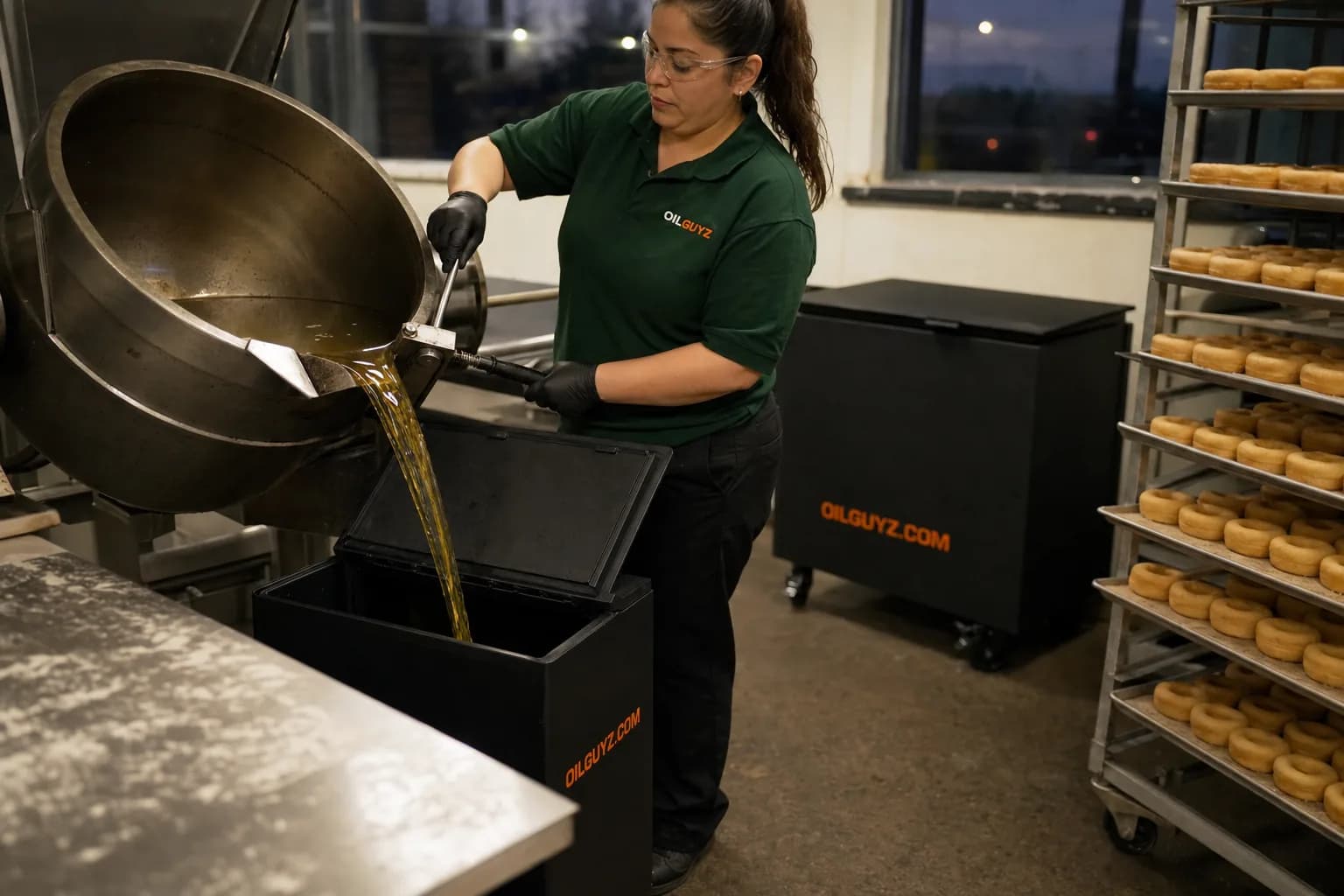
Staff training on disposal. Your kitchen staff should wait for oil to cool before transferring it, use a proper caddy or pump rather than pouring hot oil directly into the outdoor bin, keep water out (it lowers oil quality and can flag issues at the processing facility), and never mix food scraps, paper, or other debris into the container.
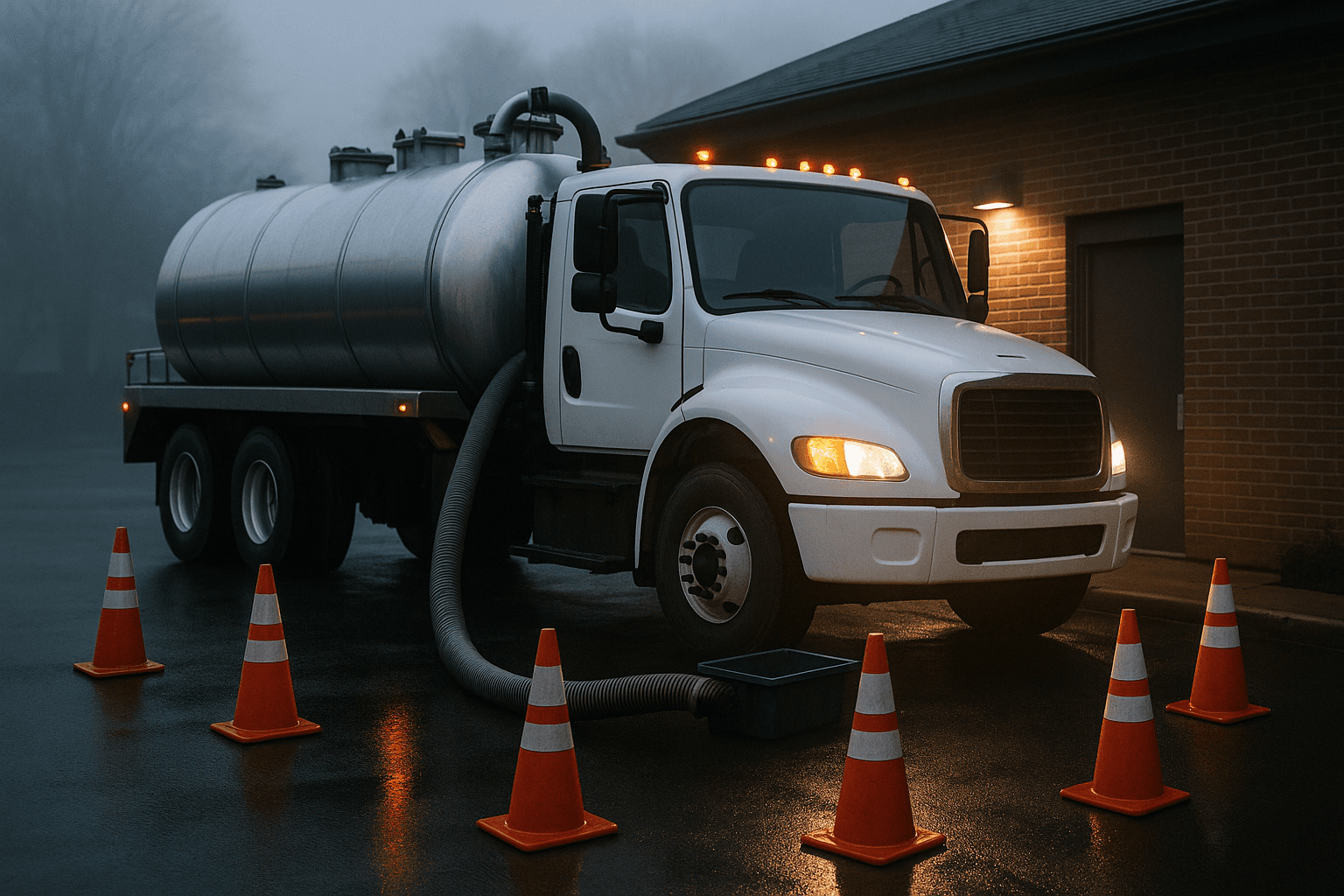
Scheduled pickup. On your service day, a driver arrives, pumps your container, logs the volume collected, and leaves a manifest or service ticket. Hold onto these records; they may be requested during a health inspection or CDFA compliance review.
Ongoing adjustments. After the first few pickups, your provider should have a good read on your volume. If you're consistently at capacity before the scheduled date, ask to increase frequency. If the container is barely touched, you can usually reduce visits. A good provider adjusts proactively rather than waiting for you to complain.
Containers: What Your Provider Supplies and Where It Goes
You don't need to buy a tank or container to store used cooking oil before pickup. Your provider supplies one, free, sized to your kitchen's output, and picks it up on a schedule matched to how fast it fills.
Standard sizing runs a 45-gallon container for lower-volume kitchens dumping a fryer or two a week, up to a 130 to 200-gallon bin for higher-volume operations. The container is sealed and lockable, delivered and positioned by your provider, and maintained at no cost for as long as you're on service.
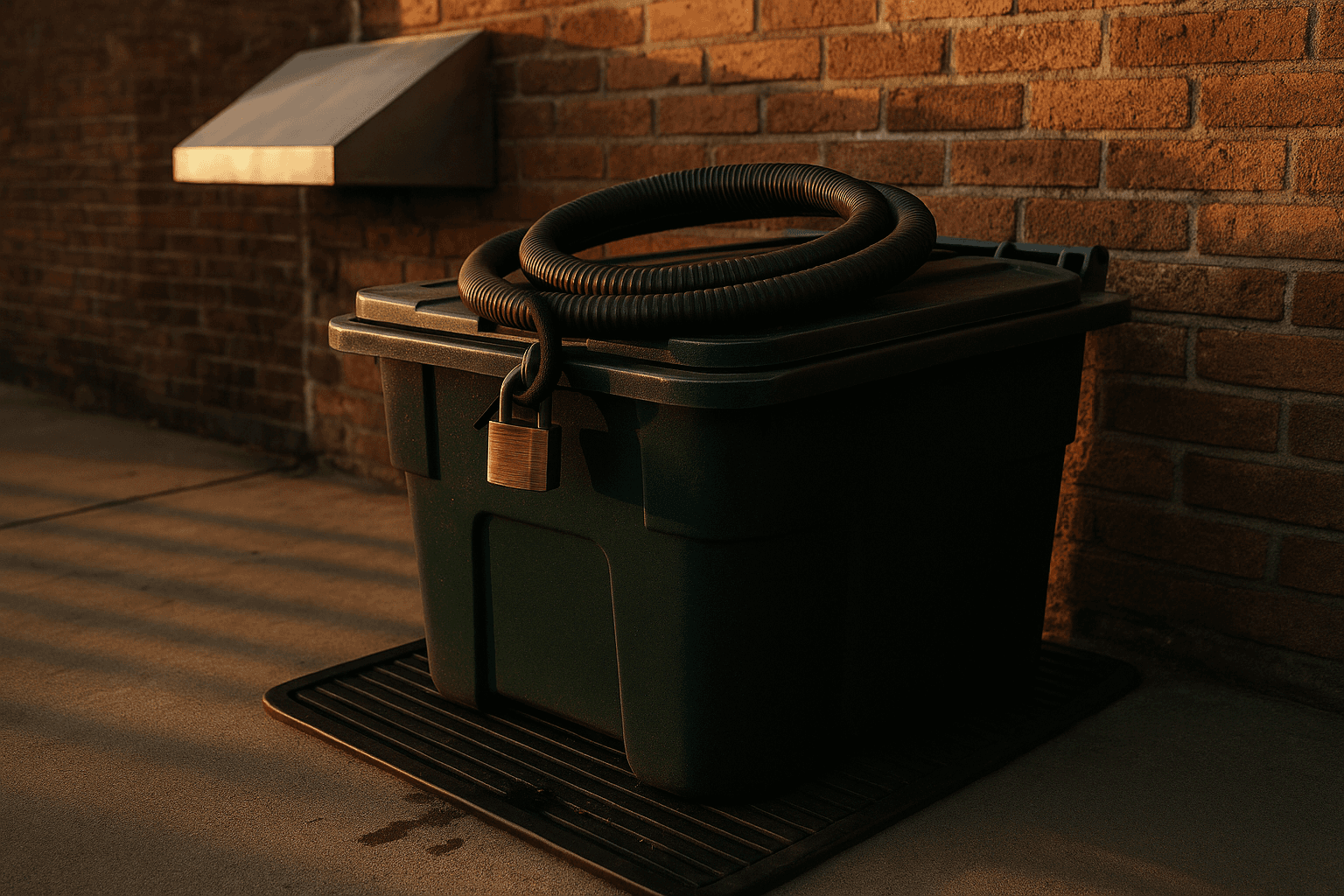
Placement follows a few fixed rules: a hard, level, impermeable surface (concrete or asphalt, not gravel or soil), away from storm drains and food storage areas, accessible to a service vehicle, and locked between pickups to prevent theft and contamination. Many cities in LA, Orange, and San Diego counties have their own setback requirements for where a container can sit relative to a storm drain, so your provider should confirm local rules during setup.
Once your container is collected, the oil is transported to a licensed processing or rendering facility, where it's filtered, dewatered, and converted into biodiesel, renewable diesel, or sustainable aviation fuel feedstock.
Grease Trap Service vs. Cooking Oil Pickup
These are two related but distinct services, and mixing them up is the most common point of confusion for new operators.
Used cooking oil pickup removes the oil your staff has drained from fryers and stored in the outdoor collection container. It's the "yellow grease" stream, and it's what this guide is about.
Grease trap service pumps the accumulated fats, oils, and grease that build up inside your grease interceptor, the plumbing device installed on your kitchen's drain line to keep FOG out of the municipal sewer. This "brown grease" stream is billed separately, typically by the gallon or tank size, and is usually serviced every 60 to 90 days for active kitchens depending on your local sanitation authority's schedule.
Both waste streams are regulated, both require registered or licensed haulers, and most full-service restaurants need ongoing service for both. Oil Guyz's grease trap cleaning covers interior and exterior interceptor units alongside used cooking oil pickup, so scheduling and documentation for both stay under one account.
What to Expect on Pickup Day
Your driver should arrive within a reasonable window of your scheduled time. The pump-out itself typically takes 10 to 20 minutes for most restaurant-sized containers. You don't need to be present, but your staff should know the driver has access.
After each collection, you should receive a volume slip for the oil collected, a signed manifest required under California law for registered UCO haulers, and confirmation that the pickup was completed.
How Often You Need Pickup
Pickup frequency comes down to your gallons per week and container size, not a fixed calendar; high-volume kitchens need weekly or twice-weekly service, while lower-volume kitchens can run monthly or on-call. See our full breakdown on how often to schedule cooking oil pickup for the volume-to-frequency table and seasonal adjustments.
Choosing a Used Cooking Oil Pickup Provider in Southern California
Not every provider delivers the same experience. At minimum, verify CDFA registration and ask for the registration number, confirm every pickup comes with a manifest, read the contract for auto-renewal or exit-penalty language, and inspect the container they intend to place at your site for condition. A provider based in Southern California will typically respond faster to schedule changes and emergency pickups than a national operator running the region from a distant call center.
For the full list of questions to ask, the documentation to verify, and the red flags that signal a bad provider, see our guide on how to choose a grease collection service.
Compliance in Southern California
Used cooking oil is regulated by the California Department of Food and Agriculture (CDFA) as inedible kitchen grease. Any transporter must hold a valid CDFA registration certificate and generate a manifest for every load, and that manifest is the documentation linking your restaurant to the transporter and the receiving facility.
Most cities across Los Angeles, Orange, and San Diego counties also run local fats-oils-and-grease (FOG) programs that require restaurants to keep grease interceptors in working order, use registered haulers for used cooking oil, and retain service records on file. Combining grease trap service with cooking oil pickup under one provider keeps that documentation consolidated instead of split across two vendors.
Oil Guyz emails a CDFA-compliant digital manifest after every pickup and retains records for two years, so the paper trail is ready whenever a health inspector or FOG auditor asks for it.
Bulk Pickup for High-Volume Kitchens
Standard tote or bin service is built for a single-location restaurant. Large restaurant groups, hotel food and beverage operations, institutional cafeterias, and food processors generating hundreds of gallons a week outgrow that model fast.
For accounts producing 500 or more gallons per week, Oil Guyz's bulk cooking oil disposal and recycling program uses tanker pickups, dedicated account management, and volume-based scheduling instead of standard containers. If you're managing a central kitchen or a multi-unit group across Southern California, bulk service is worth setting up before your current container becomes a daily bottleneck.
Common Mistakes Restaurants Make
Not reading the contract. Auto-renewal clauses and rate-escalation terms catch operators off guard. Read everything before you sign.
Using unregistered haulers. A slightly better price isn't worth the compliance exposure if the hauler isn't CDFA-registered.
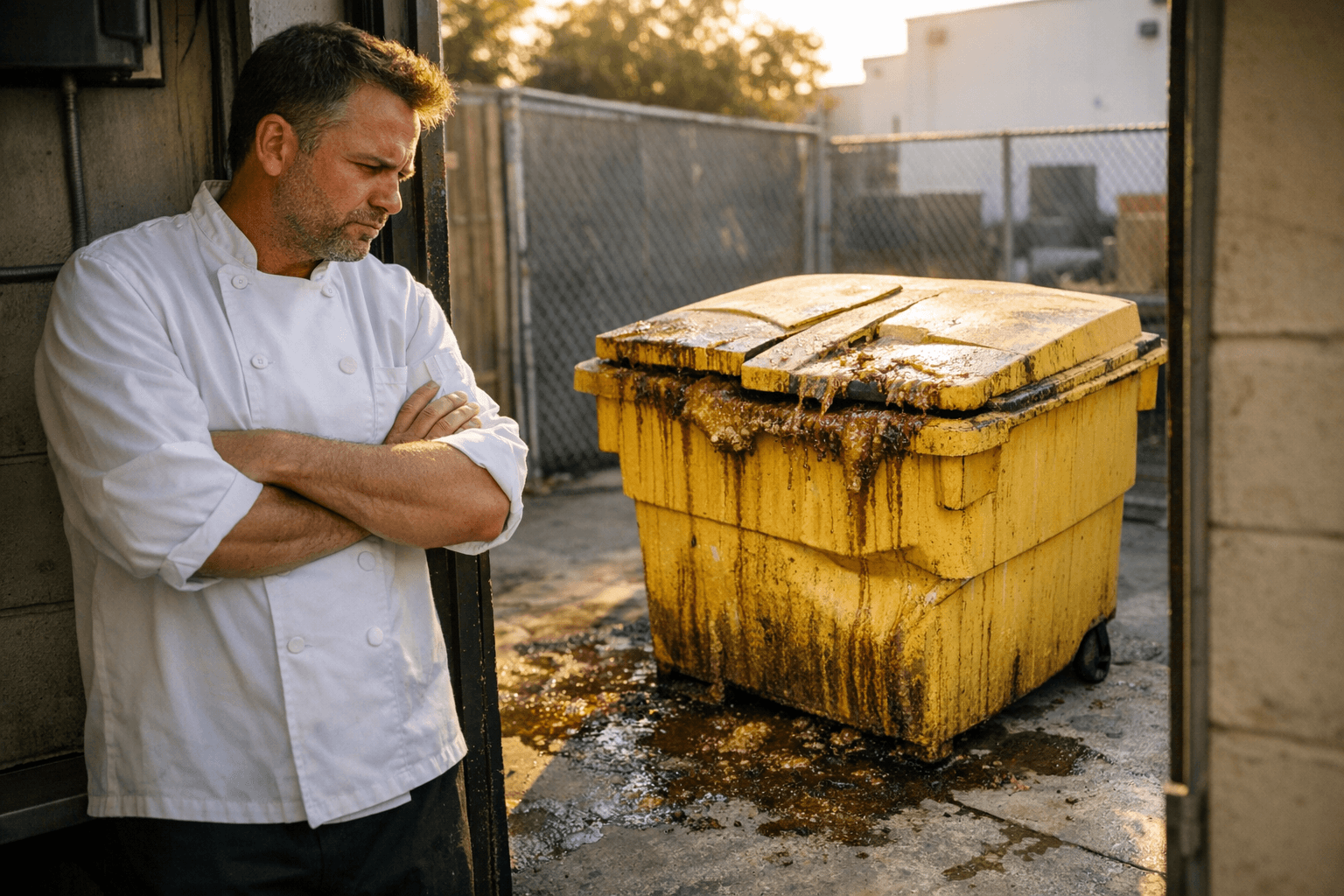
Ignoring the container. A full or overflowing container is a pest magnet and a slip hazard. Monitor fill levels and call for an emergency pickup before it overflows.
Mixing waste streams. Dumping fryer scraps, trash, or water into the UCO container contaminates the load and creates problems for everyone downstream, including your own service quality.
Not keeping manifests. Keep collection records on file. California health inspectors and CDFA auditors may ask for them during a review.
Getting Started with Oil Guyz
Oil Guyz provides free used cooking oil pickup for restaurants across California and Washington. We supply your container, handle scheduling and documentation, and provide a CDFA-compliant manifest for every collection.
Getting started takes about 10 minutes. Fill out our online form or give us a call, and we'll schedule your first visit within the week.
Used cooking oil pickup doesn't have to be complicated. With the right provider, the right container placement, and a brief staff training session, it becomes one of those operational items that simply runs in the background, quietly, compliantly, and at zero cost to you.