How Often Should a Fried Chicken Restaurant Change Its Fryer Oil?
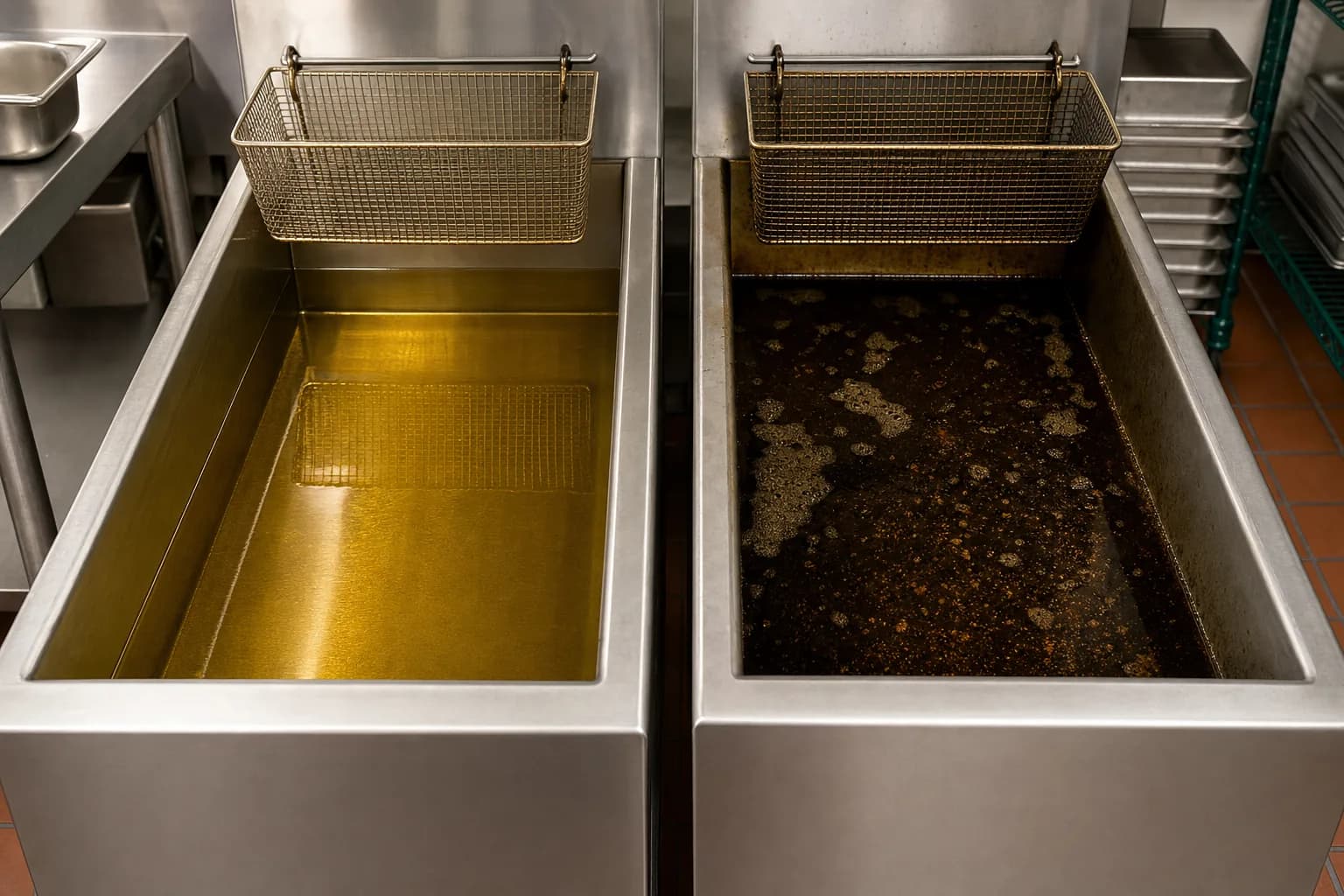
How often should a fried chicken restaurant change its fryer oil? Busy kitchens run a 1-3 day cycle; the highest-volume fryers change daily. Here's how to judge it.
Browse all articles about restaurant operations.

How often should a fried chicken restaurant change its fryer oil? Busy kitchens run a 1-3 day cycle; the highest-volume fryers change daily. Here's how to judge it.

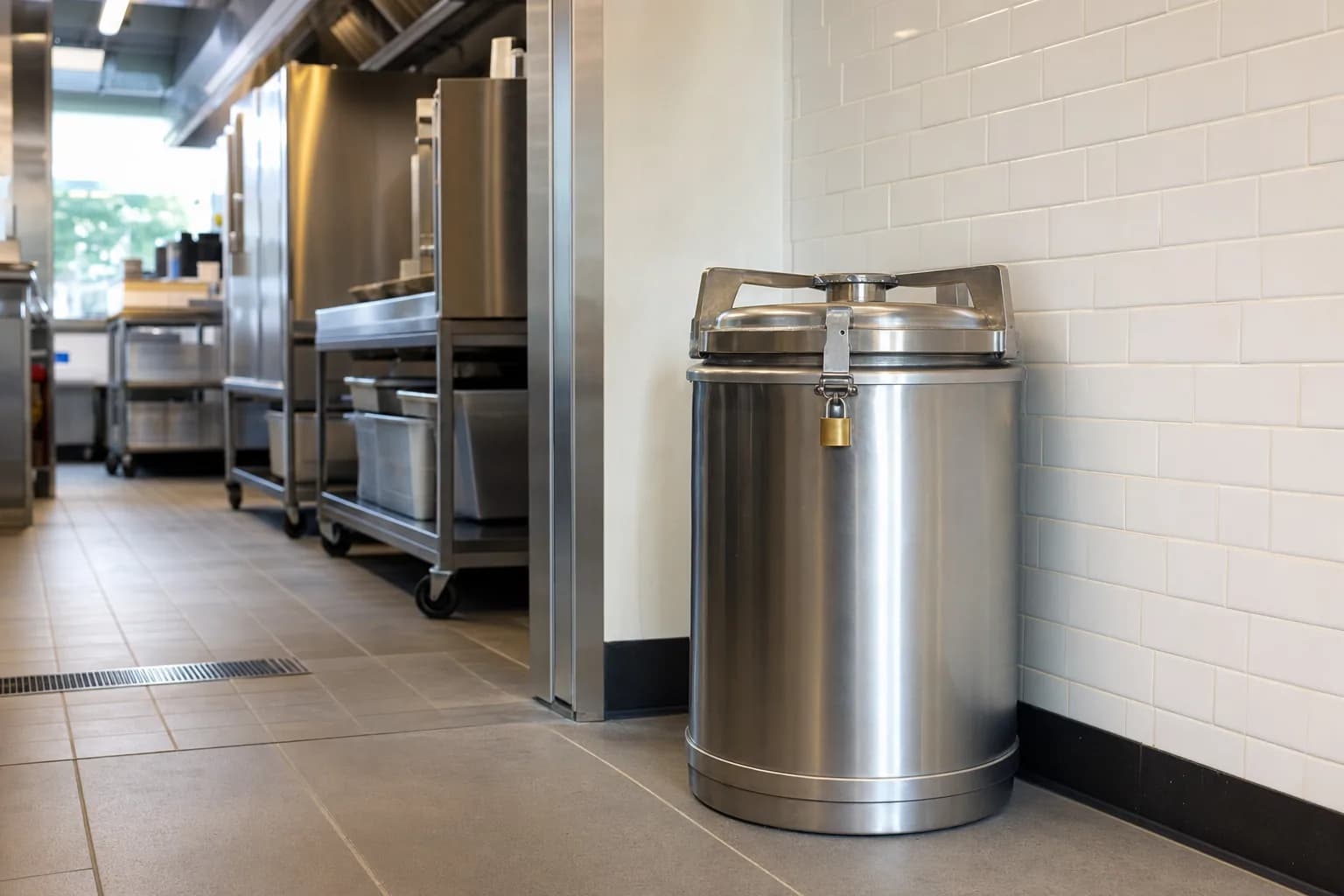
What to do with leftover restaurant cooking oil: store it in a sealed, locked container, never drain or dumpster it, and schedule free licensed pickup with manifests.

Chicken wing restaurant cooking oil disposal made simple: handle game-day surges, stay CDFA-compliant, and get free pickup with a digital manifest every time.

How often to empty your grease bin: most kitchens do bi-weekly used cooking oil pickup, high-volume weekly, low-volume monthly. A cadence guide to stop overflow, odor, and theft.

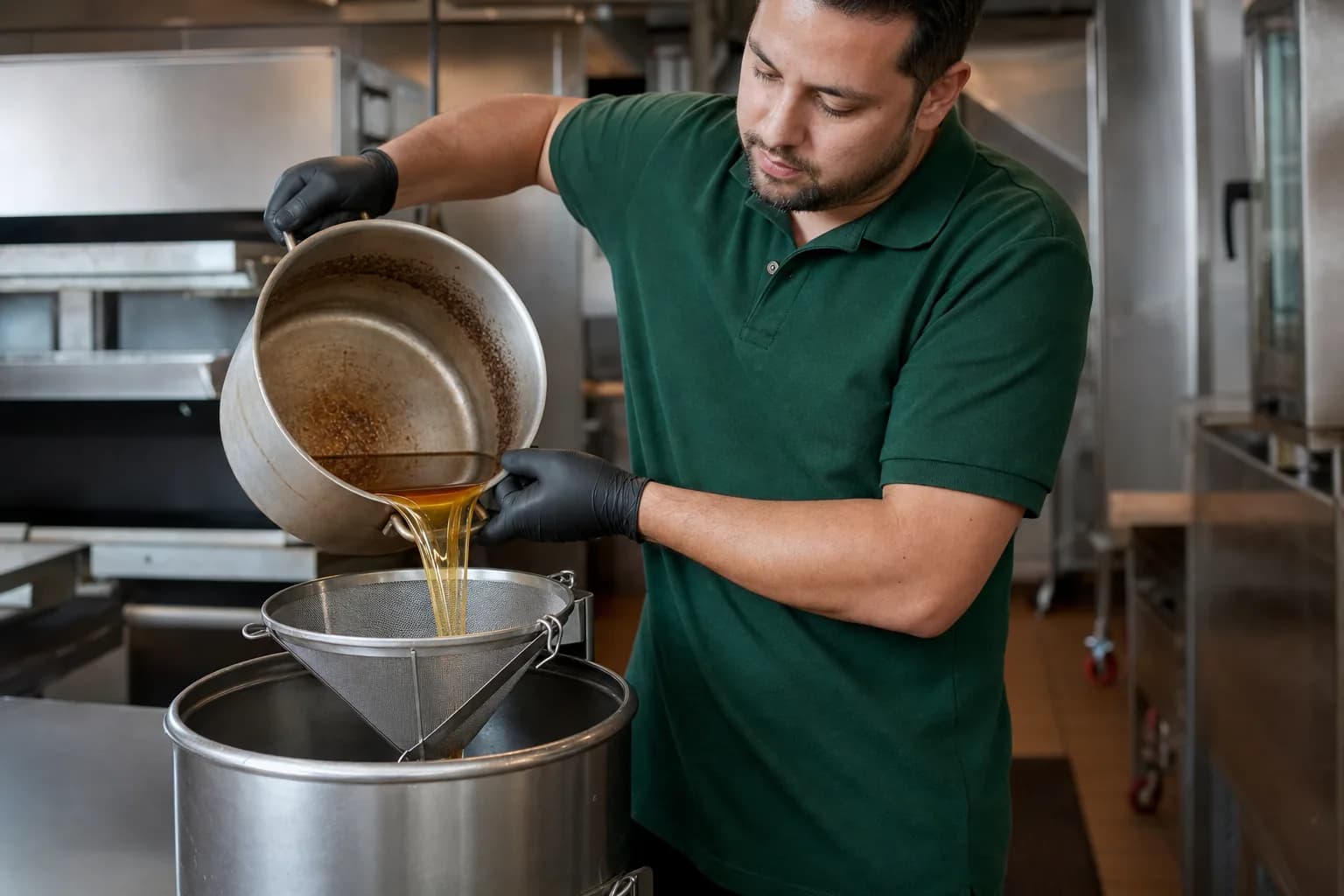
Learn how to prepare used cooking oil for pickup in 6 simple steps: cool it, strain debris, keep water out, use the locked container, and schedule a route.

Fried chicken restaurant used cooking oil degrades faster and runs higher volume than any other kitchen. Here's the disposal cadence, compliance, and free-pickup setup.

Set cooking oil pickup frequency by gallons per week and container size. A volume-to-schedule table for restaurants, plus how to avoid overflow and stay compliant.

How often should restaurants schedule used cooking oil pickup? High-volume kitchens need weekly or twice-weekly service, lower-volume kitchens bi-weekly to monthly.
Our Restaurant Operations articles focus on practical guidance for restaurant owners and kitchen managers dealing with used cooking oil management and grease trap compliance. You will find step-by-step guides, regulatory breakdowns, checklists, and actionable tips based on current California rules and real-world industry experience. Every article is written to save you time and help you avoid common mistakes that can lead to fines, failed inspections, or service disruptions. Whether you are new to managing grease disposal or just want to stay current on changing requirements, this category has content tailored to your needs.
These articles give you the specific information you need to make better decisions about grease management at your restaurant. Instead of searching through dense regulatory documents or guessing at best practices, you get clear explanations written for busy foodservice operators. Topics range from day-to-day maintenance schedules to preparing for health inspections and understanding CDFA manifest rules. By following the recommendations in our Restaurant Operations guides, you can reduce the risk of costly violations, prevent kitchen emergencies, and ensure your grease handling procedures meet all California requirements without adding extra work to your plate.
Free service, scheduled on your terms, fully CDFA-compliant manifests included.
Or call (714) 880-4788 and talk to a real person today.