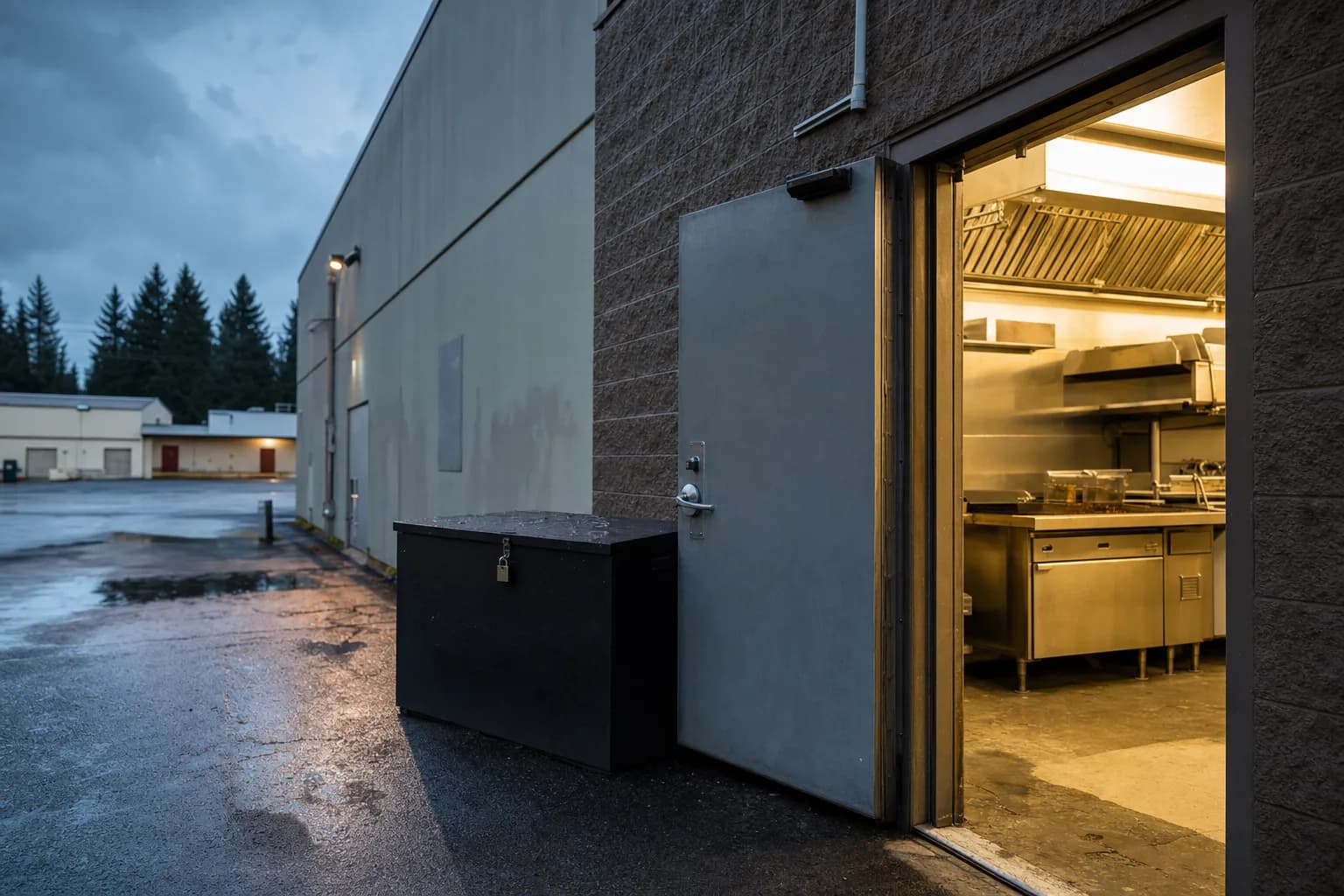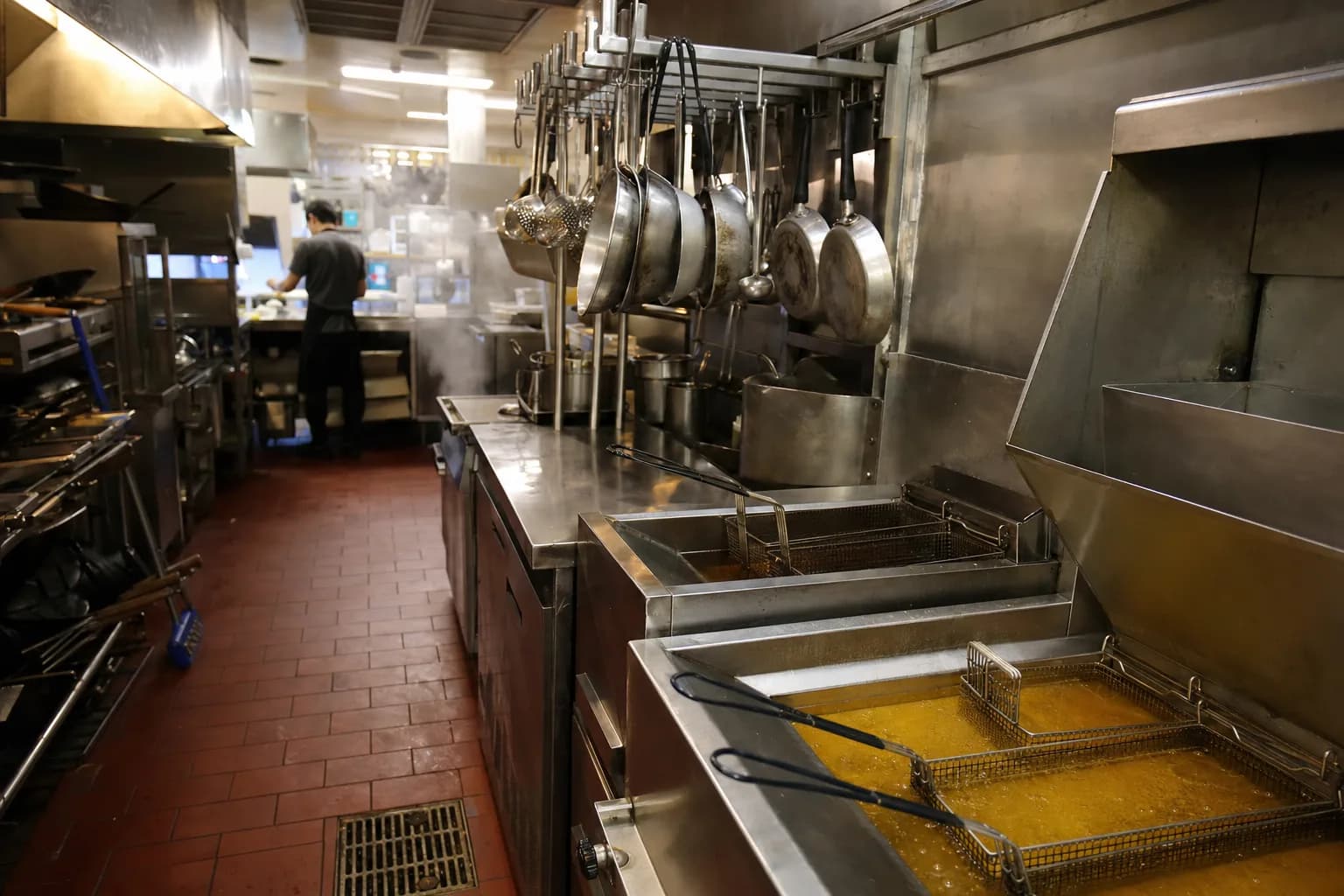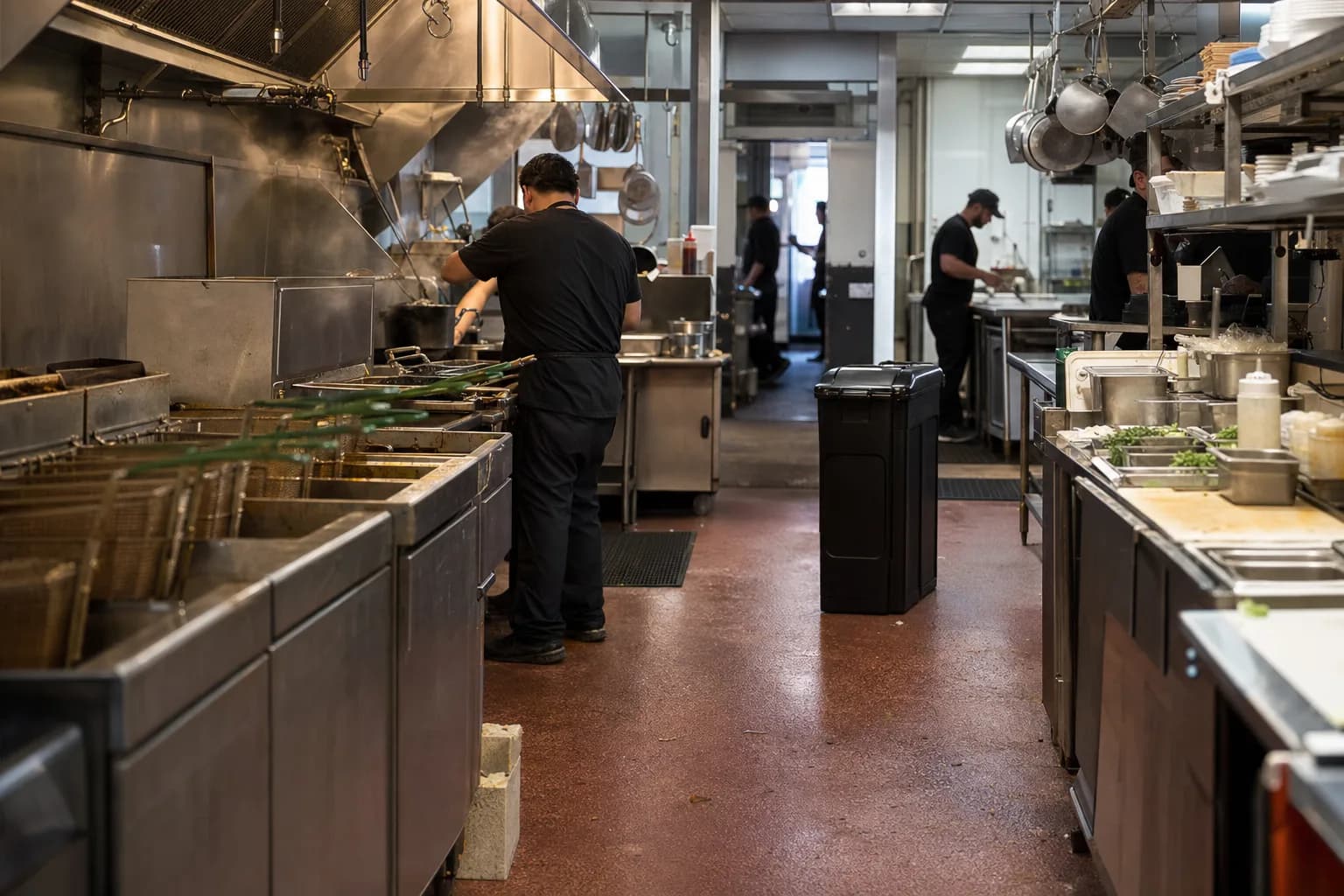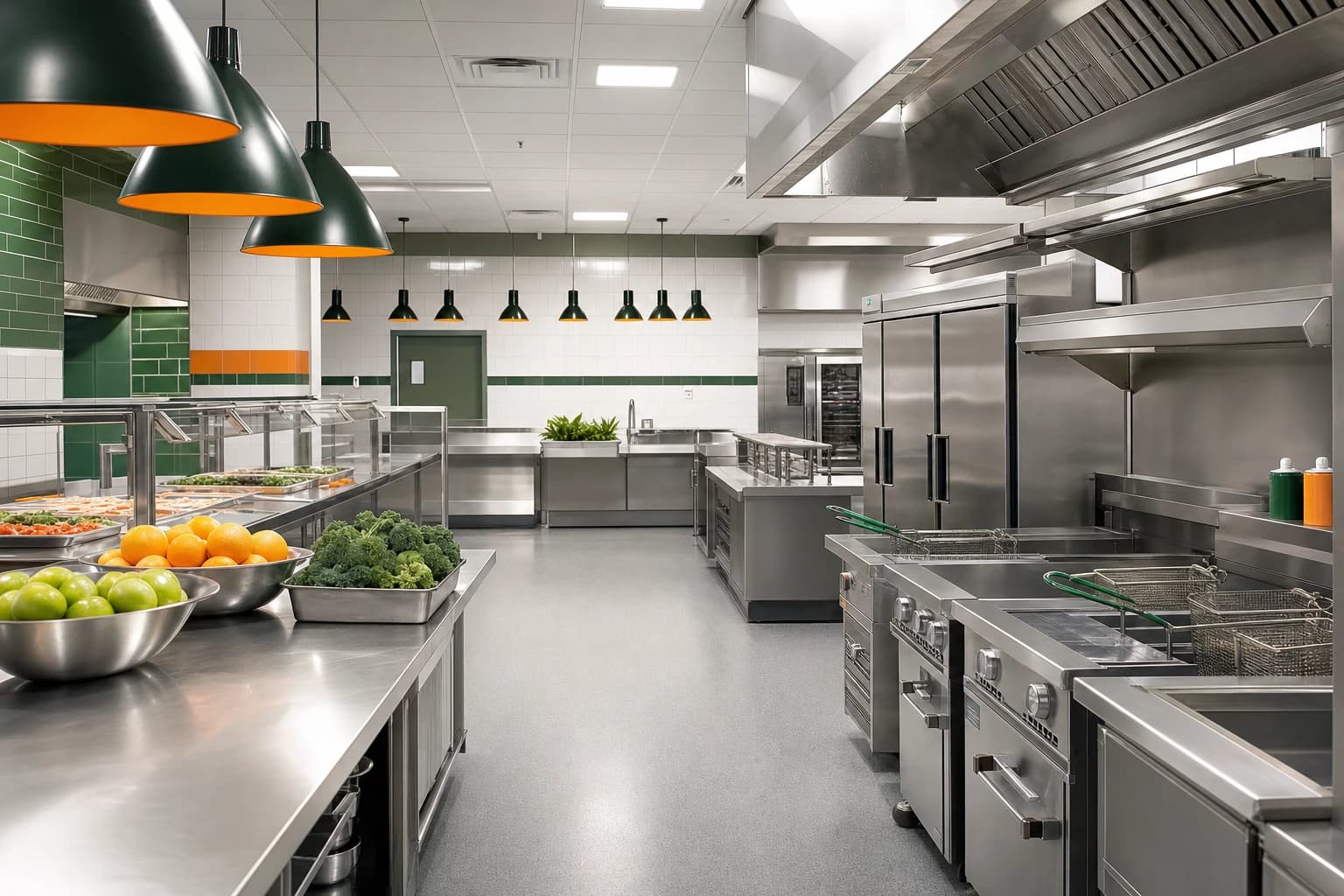

TL;DR, Hospital used cooking oil pickup is free, scheduled collection that pulls used cooking oil out of dietary kitchens and cafeterias across a healthcare facility, or an entire system, without disrupting patient care. Oil Guyz drops a free locked anti-theft container at each kitchen, sets a pickup cadence sized to that site's fry volume, and our CDFA-licensed renderer pumps the container in place and hauls the oil away to be recycled into biodiesel and renewable-diesel feedstock. After every pickup you get a CDFA-compliant digital manifest documenting chain of custody, and every cafeteria across every building rolls up into one dashboard in the Filtrate portal. It is month-to-month, a real person answers the phone, and the paperwork your facilities and compliance teams need is generated automatically. This guide covers cafeterias across facilities, the vendor documentation healthcare operators are expected to keep, CDFA chain-of-custody manifests, and how one dashboard ties it all together.
Hospital used cooking oil pickup looks simple from the outside: a bin gets emptied. Inside a healthcare facility, it is anything but. A dietary kitchen feeds patients, staff, and visitors three meals a day, every day of the year, and the loading dock that bin lives near is already juggling pharmaceutical deliveries, linen, medical supplies, and biohazard removal on overlapping schedules. The oil cannot pile up, the records cannot go missing, and the vendor cannot become a problem for facilities management. The fix is a program built for healthcare from the start, not a restaurant route with a hospital bolted onto the end of it.
This is the operating model for healthcare food service, and it is the same one behind our Restaurant Cooking Oil Management hub, adapted for the realities of a hospital campus.
Why healthcare kitchens are different from restaurants
A restaurant has one kitchen, one back door, and one manager who notices when the oil bin is full. A hospital or health system rarely has any of that. The differences are what make a generic grease route the wrong tool.
- Many kitchens, one organization. A single medical center can run a main dietary kitchen, a public cafeteria, a staff café, and satellite galleys, each producing oil, each needing pickup, each generating its own paperwork.
- The dock is shared and tightly scheduled. Grease pickup competes with medical supply and pharmacy deliveries. An uncoordinated arrival blocks the dock and ripples into patient care logistics.
- Documentation is scrutinized. Healthcare facilities are audited far more often than restaurants, and "show me the records for this vendor" is a routine request. Missing manifests are a real exposure.
- Volume is steady and high. Senior living and long-term care kitchens lean on fried comfort foods residents prefer, so the oil stream is consistent and the bin fills predictably.
The takeaway: healthcare cooking oil pickup is not a waste problem, it is a coordination-and-documentation problem. Solve those two things and the rest is routine. For the facility-specific view, see our Hospitals & Healthcare industry page.
Cafeterias across facilities: one account, one standard
The hardest part of healthcare cooking oil management is not any single kitchen, it is keeping every kitchen consistent. A health system with a flagship hospital, two community hospitals, and a handful of clinics ends up with four or five different arrangements if nobody standardizes. One site has reliable pickup; another has oil sitting in an open container by the dock; a third signed a contract corporate can't locate.
The fix is to put every cafeteria and kitchen onto one account with one set of terms:
- One agreement covers every facility. New buildings and acquired sites are added under the same terms, no renegotiating per location.
- The same locked container at every kitchen. Standardize the equipment so staff at any site know exactly what to do, and the bin is always anti-theft and dock-friendly.
- A schedule sized to each site. A 600-bed hospital cafeteria and a memory-care galley fry at very different volumes; each gets its own cadence so bins never overflow and trucks never roll for a half-empty container.
- One dashboard for the whole system. Operations and facilities leads see every site at once instead of chasing each kitchen by phone.
This one-account model is the core of Multi-Location Cooking Oil Collection, it is the difference between managing a program and managing a pile of separate vendors.
Vendor documentation requirements healthcare operators should expect
Healthcare facilities are expected to keep clean vendor records, and used cooking oil is no exception. Whoever runs your dietary compliance should be able to answer three questions for any kitchen, on any day, without a scramble:
- Is the vendor properly registered and its renderer properly licensed? California's Inedible Kitchen Grease (IKG) program registers transporters and licenses renderers and documents the chain of custody specifically to deter theft and illegal dumping. A compliant partner can show its registration.
- Is there a manifest for every pickup? California requires a manifest for every used cooking oil pickup. Electronic manifests are legal under the California Uniform Electronic Transactions Act, and records must be retained for at least two years.
- Can the records be produced on demand, per facility? When an auditor or surveyor asks, the answer should be a few clicks, not a hunt through filing cabinets at four buildings.
A program that generates a digital manifest automatically after each pickup turns all three questions into a non-event. Instead of collecting paper from every dock, your team pulls consolidated, audit-ready records from one place. That is what the Cooking Oil Compliance & Reporting side of the service is built to do.
CDFA chain-of-custody manifests, explained
Chain of custody is simply the documented trail showing your oil moved from your kitchen to a CDFA-licensed renderer. It matters because used cooking oil (yellow grease) is a traded commodity with real value, and that value attracts theft and illegal dumping. The state's documentation requirements exist to keep the supply chain honest.
Here is what a compliant pickup produces, every time:
| What you get | Why it matters for a healthcare facility |
|---|---|
| A manifest per pickup, per facility | Proves each kitchen is covered, not just the main one |
| Digital records, retained 2+ years | Meets California retention rules without paper at each dock |
| Transfer to a CDFA-licensed renderer, documented | Documents where the oil actually went |
| Consolidated history in one dashboard | Lets compliance pull system-wide records on demand |
Because the manifest is digital and filed per site, a multi-building system gets the same clean chain-of-custody trail at every kitchen, the consistency that makes an audit a formality instead of a fire drill. (Details on California's manifest rule and the IKG program are in the Sources below.)
One dashboard for every kitchen in the system
The thing that makes a system-wide program feel manageable is visibility. Instead of logging into different tools or calling around to each building, an operations or facilities lead sees every facility in the Filtrate portal, one dashboard for the whole organization, with per-location mobile apps for the dietary and dock staff who handle the bins day to day.
From one screen you can see which sites are due, which have been serviced, and where each manifest lives. The Filtrate portal is what turns "we run cooking oil pickup at nine buildings" into something one person can actually oversee. When leadership asks for sustainability numbers or an auditor asks for records, both come from the same place.
Protecting the oil, and the dock
Two practical concerns come up constantly in healthcare settings, and the right container solves both.
- Theft. Used cooking oil has resale value, and grease theft is a documented problem, industry estimates put it near $75 million stolen per year, and the USDA values about 100 lb of yellow grease at around $25. A free locked anti-theft container at each facility protects that value and keeps your chain-of-custody records accurate.
- Safety and cleanliness. A tidy, sealed container near a shared dock means no spills, no fall hazards, and no oil residue tracked toward patient areas. The renderer's driver pumps the container in place on a fixed schedule, so there is no swapping or mess.
Where this oil ends up, and why it counts
The sustainability payoff is real and worth reporting. Collected used cooking oil is recycled into biodiesel and renewable-diesel feedstock rather than thrown away. Waste-feedstock biodiesel and renewable diesel deliver roughly 79 to 86 percent lower lifecycle greenhouse gas emissions than petroleum diesel, and renewable diesel averages about a 65 percent carbon-intensity reduction (Argonne National Laboratory, Environmental Science & Technology, 2022). Under the EPA Renewable Fuel Standard, biomass-based diesel must hit at least a 50 percent lifecycle GHG reduction, and used cooking oil qualifies as an approved feedstock.
For a hospital or health system with sustainability commitments, that means the oil from every dietary kitchen becomes a documented contribution to renewable fuel, a number you can roll up into corporate reporting, backed by the manifests already in your dashboard.
How service works, start to finish
- Tell us your facilities. Share each kitchen and cafeteria and its rough fry volume.
- We place free locked containers. The same anti-theft container goes in at each site, positioned for the dock.
- We set a schedule per site. Each facility gets a cadence sized to its volume, coordinated to avoid dock conflicts.
- Pickups happen on schedule. Our CDFA-licensed renderer pumps each container in place and files a digital manifest.
- You manage it all in one place. Every facility, schedule, and manifest lives in the Filtrate portal, with per-location apps for staff.
It is month-to-month with no long contract, a real person answers when you call, and you can add facilities anytime. If your system is a very high-volume operation (generally around 250+ gallons per month), there may be more to discuss on terms, just contact us.
Coverage
Oil Guyz currently serves healthcare facilities across Orange County, Los Angeles, San Diego, the Inland Empire, the Bay Area, and Tacoma/PNW, and we are expanding. If your system has facilities outside these regions, tell us your locations and we will notify you as we expand into your area.
Sources
- California manifest requirement and electronic manifests (3 CCR §1180.24): https://www.law.cornell.edu/regulations/california/3-CCR-1180.24
- CDFA Inedible Kitchen Grease (IKG) program, transporter registration/renderer licensing and chain of custody: https://www.cdfa.ca.gov/AHFSS/MPES/
- Renewable diesel carbon-intensity reduction, DOE AFDC: https://afdc.energy.gov/fuels/renewable-diesel
- Waste-feedstock biodiesel lifecycle GHG reduction, DOE AFDC: https://afdc.energy.gov/fuels/biodiesel-production
- EPA Renewable Fuel Standard, biomass-based diesel ≥50% lifecycle GHG reduction; UCO qualifies: https://www.epa.gov/renewable-fuel-standard/overview-renewable-fuel-standard-program