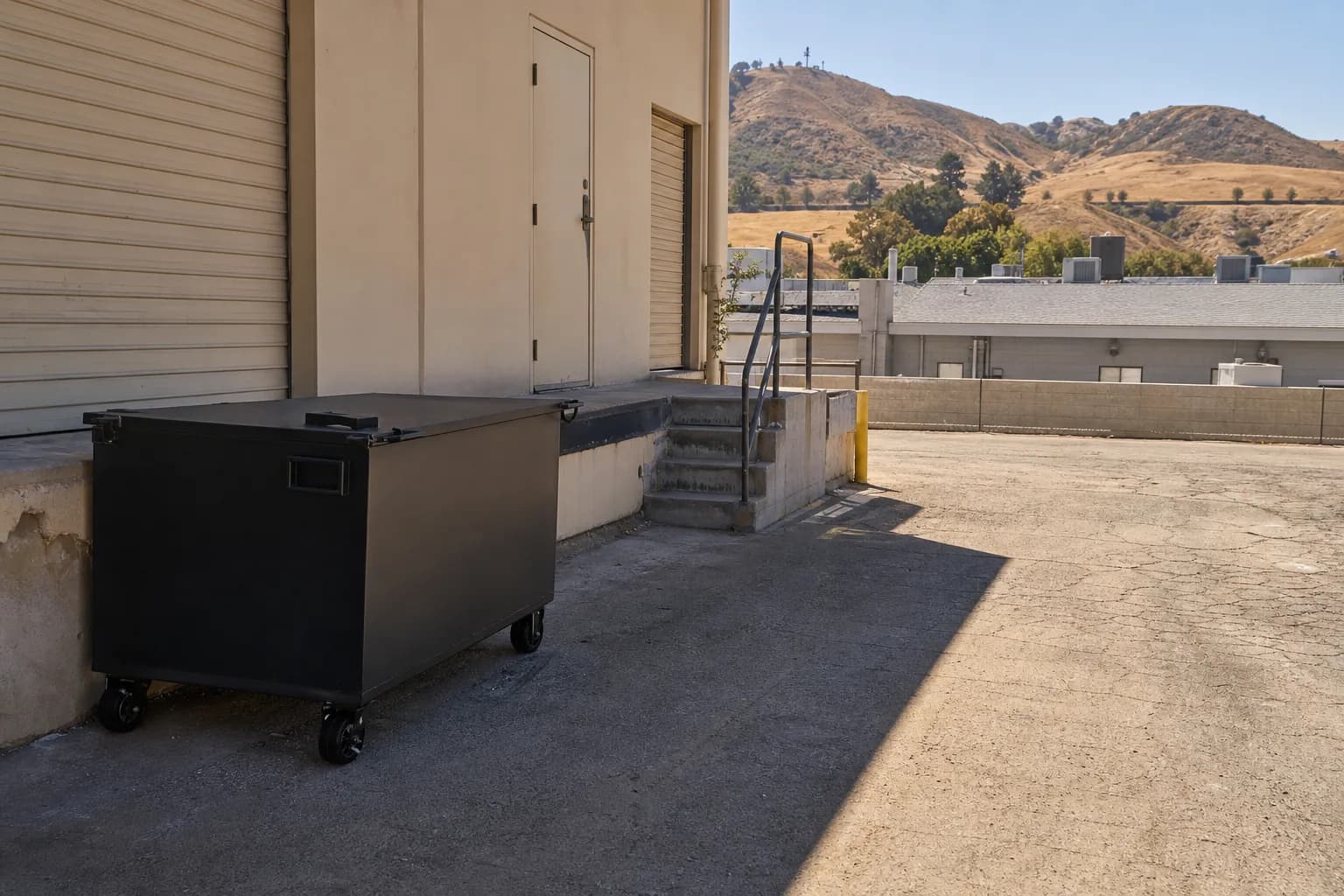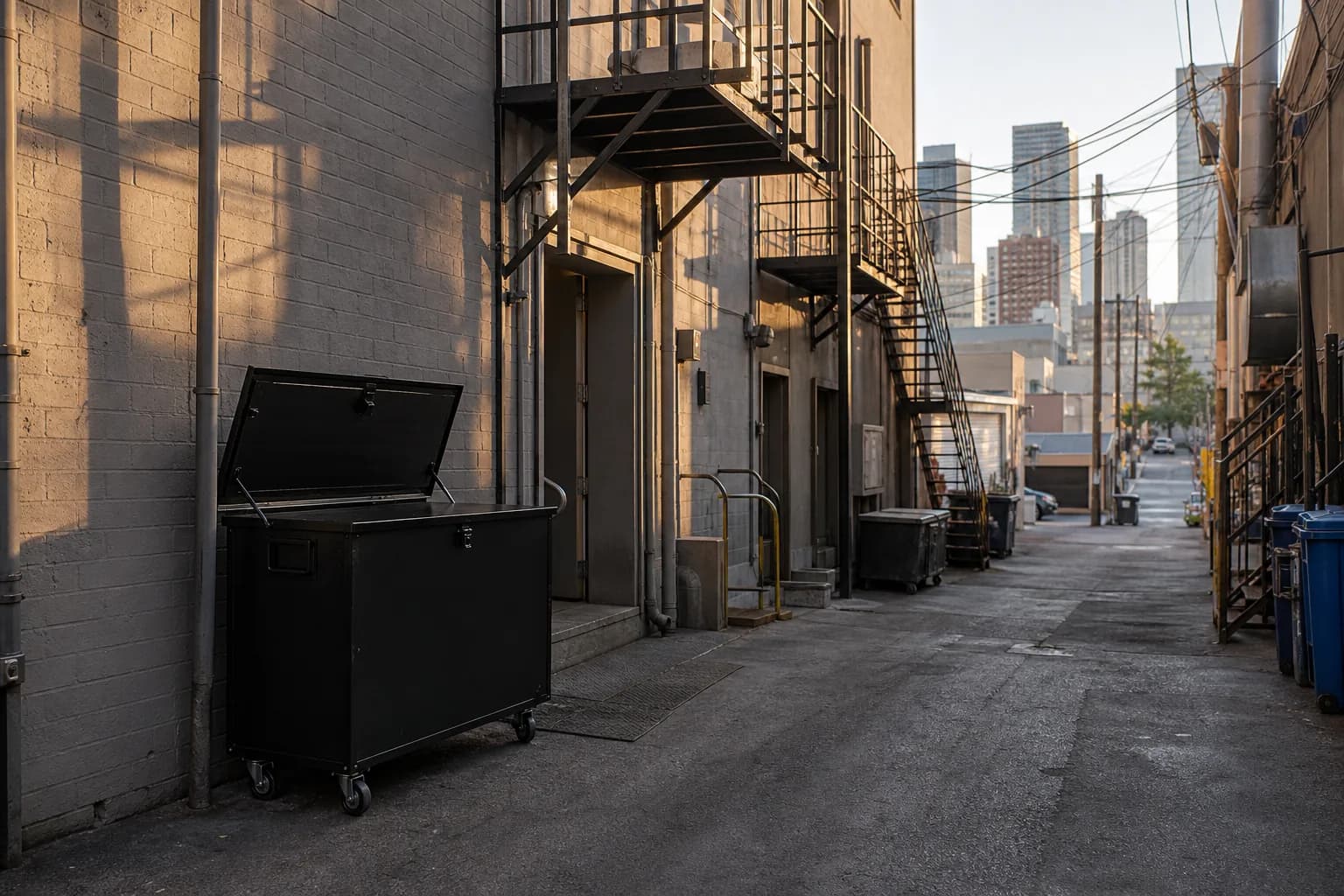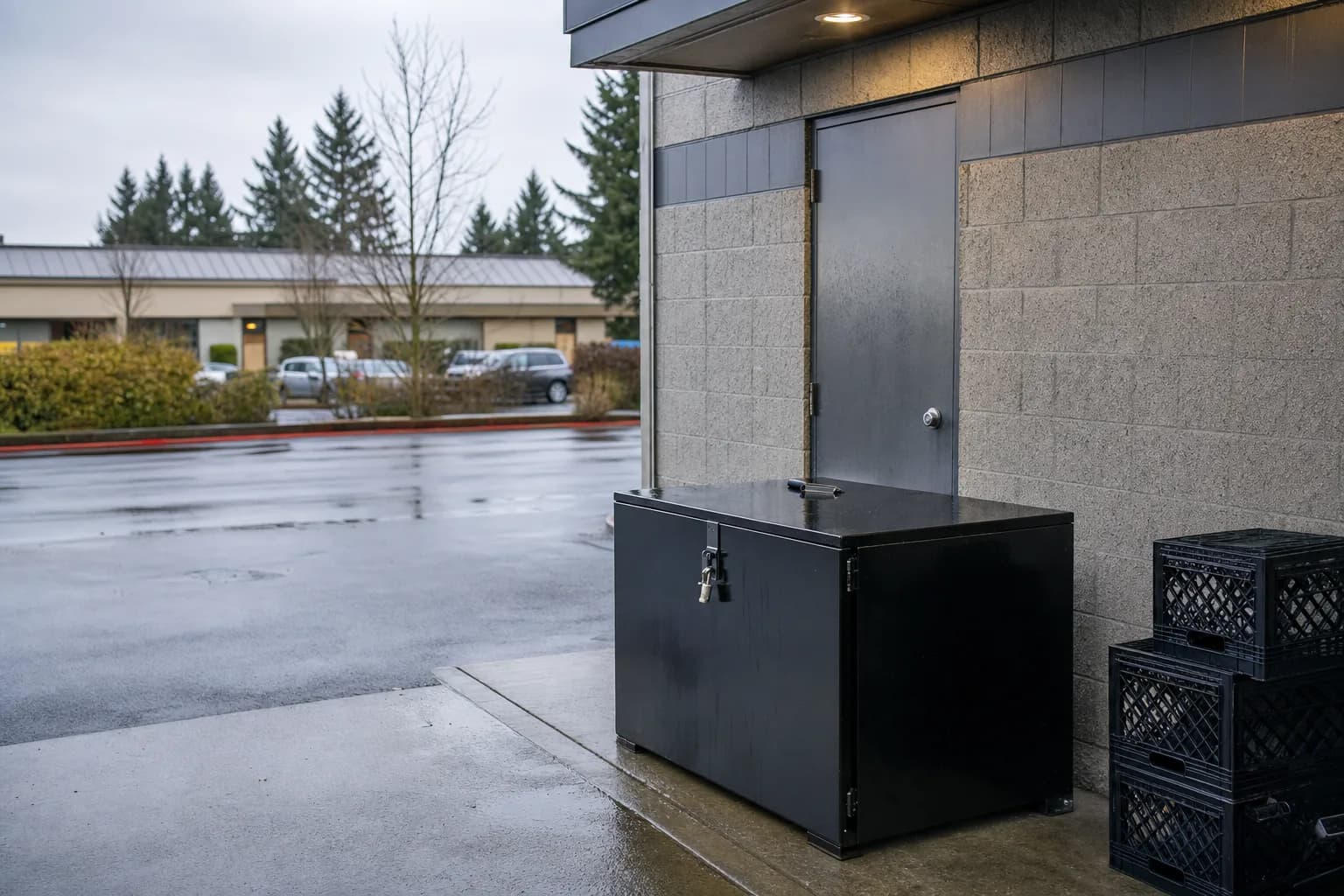

Pierce County restaurant grease rules do not stop at the Tacoma city line, and neither does free used cooking oil pickup. If you run a kitchen in Puyallup, Lakewood, University Place, Gig Harbor, Bonney Lake or unincorporated Pierce County, Oil Guyz drops a free locked anti-theft bin, sets a scheduled pickup sized to your volume, and recycles your oil into clean renewable fuel, all with a compliant digital manifest after every visit. That keeps you onside with your local FOG program and the Tacoma-Pierce County Health Department without adding a line item to your budget.
The catch outside Tacoma is that a different agency writes the grease rules depending on which suburb you sit in. Tacoma proper runs its own sewer use program, which we cover in the Tacoma and Pierce County used cooking oil pickup guide. This guide is for everywhere else in the South Sound, where a city sewer utility or the Pierce County Sewer Division sets the terms.
Who Regulates Grease in Pierce County Beyond Tacoma
There is no single county-wide grease code. The agency that governs your interceptor is the one that owns the sewer pipe your kitchen connects to, so the answer changes from suburb to suburb.
The Pierce County Sewer Division, part of Planning and Public Works, runs the largest share. Its service area covers University Place, Lakewood, Steilacoom and big stretches of the unincorporated county, and its flows are treated at the Chambers Creek Regional Wastewater Treatment Plant in University Place. If your restaurant sits in one of those communities, the county is your grease authority. You can reach the county's sewer customer service line at (253) 798-4020.
Several cities opted out and run their own sewer utilities, which means their own FOG rules:
- City of Puyallup operates its own sewer system and treatment plant, with grease requirements written into its Sewer Use Code.
- City of Bonney Lake enforces FOG under Bonney Lake Municipal Code 13.12.320.
- City of Gig Harbor enforces grease interceptor rules under Gig Harbor Municipal Code Chapter 13.30.
Sitting across all of them is the Tacoma-Pierce County Health Department, which handles food safety county-wide. It runs food plan review, issues your food establishment permit, and inspects your kitchen. Reach its food safety office at (253) 649-1417 or food@tpchd.org. An inspector who spots an overflowing oil bin or a grease backup can pull your sewer authority into the visit too, so the two sides are connected in practice.
One Washington note that matters for the whole region. There is no CDFA license here and no state hauler license for cooking oil. Washington regulates used oil recycling through the Washington State Department of Ecology, and the state keeps a public 1-800-RECYCLE database so businesses can find legitimate recyclers. If you also operate a California location, the difference is worth knowing, and our Seattle FOG compliance guide walks through the Washington framing in more depth.
What the Local FOG Programs Require
The rules rhyme from town to town, but the specifics differ. Here is what each authority actually asks of a food service establishment.
- Pierce County sewer area (University Place, Lakewood, Steilacoom, unincorporated): most restaurants, cafes and bars must install and maintain a grease interceptor, and clean it on the 25 percent rule. County staff conduct inspections throughout the service area and can pull test discharge samples from your line.
- Puyallup: because the city runs its own sewer system and treatment plant, it sets its own Sewer Use Code. It requires an approved grease interceptor, fixed drain screens on the lines that carry grease, and cleaning once solids reach the 25 percent threshold. Confirm the current fixture and interceptor requirements with Puyallup Public Works and Utilities before you open or remodel.
- Bonney Lake: every food business must keep an approved FOG control plan on file, keep the combined sludge and scum under 25 percent of the last compartment, and never add enzymes, bacteria or emulsifiers to the trap. The city inspects on both scheduled and unannounced visits.
- Gig Harbor: under Gig Harbor Municipal Code Chapter 13.30, interceptors must keep FOG discharge below 100 milligrams per liter, and the required type, either a hydromechanical or a larger gravity grease interceptor, is sized to your kitchen. Hydromechanical units must be serviced weekly or as needed, and cleaned once floating solids or sediment reach 25 percent of the liquid volume.
The common thread across every jurisdiction is simple. Keep dated cleaning records on site, and keep your used cooking oil out of the interceptor and out of the drain. Missing records and oil in the wrong stream are the two things that turn a routine inspection into an enforcement problem.
Grease Trap vs Used Cooking Oil: Two Different Streams
It is easy to lump everything greasy together, but every South Sound authority treats these as two separate streams, and so should you.
Your grease interceptor is plumbed into your sinks and dish line. It captures the grease suspended in wash water before that water reaches the sewer. It has to be pumped out by a professional pumping company, and the waste it holds is dirty, water heavy, and not a clean recycling product.
Your used cooking oil is the spent oil you pour out of the fryer. Kept clean and separate, it is a valuable feedstock for renewable fuel, and that value is the entire reason a recycler can collect it for free. The cleaner you keep it, the more useful it is.
Confusing the two creates real cost and real risk. Pouring fryer oil into the interceptor pushes it past the 25 percent threshold faster, which means more pump-outs and higher bills. Pouring it down a drain causes the sewer blockages every one of these programs exists to prevent. Keep your fryer oil going into its own collection bin and you solve both problems at once. Our guide on how to prepare used cooking oil for pickup covers the handling that keeps the two streams clean.
How Free Used Cooking Oil Pickup Works
Once your fryer oil is separated, the recycling side is designed to be the easy part of compliance. Here is what Oil Guyz provides:
- Free service. No pickup fee and no equipment charge.
- No contract. You are never locked in.
- A free locked anti-theft bin. It keeps your oil secure and out of the weather, which also keeps grease off your back lot.
- Scheduled pickups sized to your kitchen. A high-volume fried chicken spot in Puyallup and a small cafe in Gig Harbor get different cadences.
- A compliant digital manifest after every pickup, with documented chain of custody.
- 2 years of records kept, ready to show an inspector.
- A real person answers the phone when you need to change a pickup or add a location.
If you are weighing options, our guide to choosing a grease collection service covers the questions worth asking any provider before you commit.
What Happens to Your Oil After Pickup
After collection, your oil is filtered and processed through our licensed renderer and refinery into clean renewable fuel. It becomes biodiesel and renewable diesel feedstock, which burns far cleaner than conventional diesel. That closed loop is the whole reason free pickup is sustainable. Your waste is someone else's raw material.
On the documentation side, Washington keeps this straightforward. The state does not require a CDFA-style manifest, but the Washington State Department of Ecology publishes used oil guidance, and the public 1-800-RECYCLE database exists so businesses can confirm they are working with a legitimate recycler. Every Oil Guyz pickup produces a digital manifest with a clear chain of custody, so if a health or sewer inspector asks how your fryer oil leaves the building, you have a real paper trail instead of a verbal promise.
Getting Set Up Across the South Sound
To recap: know your grease authority first. If you are in University Place, Lakewood or Steilacoom, it is the Pierce County Sewer Division and the Chambers Creek plant. If you are in Puyallup, Bonney Lake or Gig Harbor, it is your city sewer utility and its own code. Food safety runs through the Tacoma-Pierce County Health Department everywhere. Then keep your interceptor serviced on the 25 percent rule, keep dated records on site, and route every drop of fryer oil into a separate collection bin for recycling.
Oil Guyz handles that last piece for free, across the whole county. We drop the locked bin, set a pickup schedule that fits your volume, recycle your oil into renewable fuel, and hand you a digital manifest every time so your chain of custody is always ready. Call Oil Guyz at (714) 880-4788 to set up free used cooking oil pickup for your Pierce County kitchen. No contract required.